What is recruitment software?
Recruitment software helps employers source, screen, interview, track, and hire candidates in one system. Depending on the platform, it can automate tasks such as job posting, résumé screening, interview scheduling, candidate communication, offer management, and onboarding while giving hiring teams a central place to collaborate and monitor recruiting performance.
Recruitment software ranges from full talent acquisition suites to specialized tools such as applicant tracking systems (ATS), candidate relationship management (CRM) systems, and pre-employment testing software. The right option depends on where you need the most support, such as sourcing candidates, managing a high-volume pipeline, improving onboarding, or analyzing recruiting performance.
What is the best recruitment software?
Teamtailor is my top recruiting software pick for 2026 because it combines a strong ATS, candidate engagement tools, automation, employer branding, onboarding, and increasingly capable AI features in an approachable interface. Breezy HR is the stronger choice for startups and budget-conscious teams, while Workable stands out for small businesses that want recruiting and basic HR functionality together.
| Provider | Best for | Starting price* |
| Teamtailor | Employer branding and candidate experience | $1,250 annually |
| Breezy HR | Occasional and low-volume hiring | $157/mo. |
| Workable | Recruiting with onboarding and basic HR tools | $299/mo. |
| Jobvite | Advanced recruiting analytics and reporting | Contact sales |
| iCIMS Talent Cloud | High-volume and complex enterprise recruiting | Contact sales |
| LeverTRM | Human-led candidate screening and evaluation | Contact sales |
| Zoho Recruit | Recruiting agencies and budget-conscious teams | $25/recruiter/mo. |
| Greenhouse | Structured, consistent hiring processes | Contact sales |
*Starting prices based on annual contracts (if applicable).
Featured partnersFeatured Partners

Teamtailor: Best overall recruitment software
Overall score
3.96/5
User reviews
3.69/5
Pricing
1.56/5
Support
3.73/5
Platform and interface
4.71/5
Reporting and analytics
3.56/5
Candidate relationship management
3.88/5
Applicant tracking features
5.00/5
Assessments and interviews
4.13/5
Pros
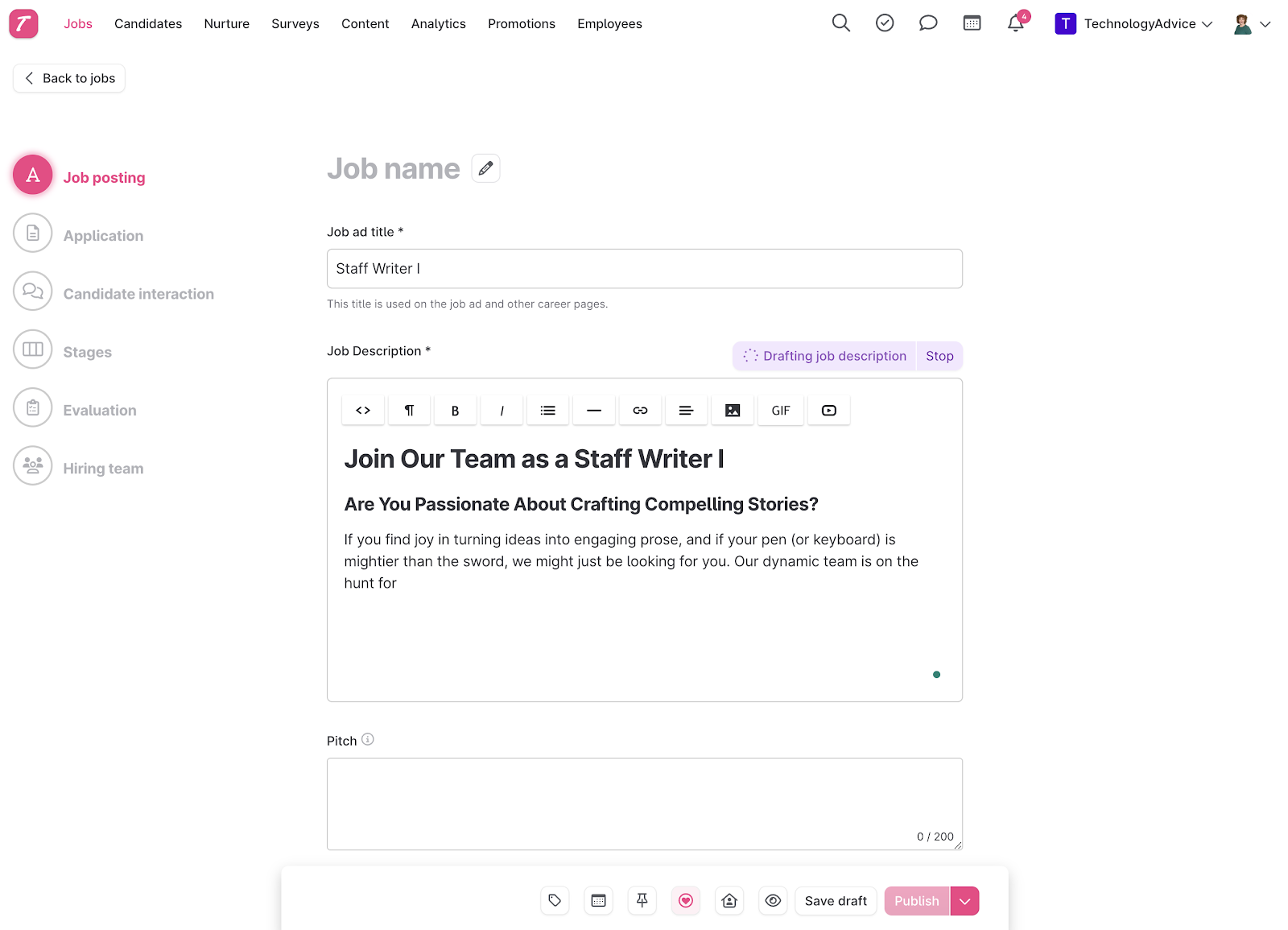
- Co-pilot generative AI for faster job descriptions, interview questions, and résumé summaries.
- Platform localization is available in 38 system-interface languages.
- Built-in video meeting support.
- Connect profiles allow candidates to engage with company news and, when enabled, monitor application progress and complete reference requests.
Cons
- Lacks an intuitive talent pool feature for re-engaging silver medalists.
- Pricing is not transparent.
- Building more advanced reports can take extra setup.
Why I chose Teamtailor
Teamtailor is my top pick for growing companies that want strong applicant tracking without sacrificing candidate experience or employer branding. Its customizable pipelines, recruiting automations, AI-assisted tools, career site features, and onboarding capabilities cover more of the hiring lifecycle than many SMB-friendly recruiting platforms, while its interface remains relatively easy to learn.
I especially like Teamtailor for teams that want to improve how candidates experience the hiring process. Features such as automated communication, candidate-facing profiles, anonymized screening, and flexible workflows can help recruiters keep applicants engaged while reducing repetitive administrative work.
Teamtailor is less compelling if advanced workforce planning and highly customizable reporting are priorities. Its reporting tools are not as flexible as those in more enterprise-focused platforms, so larger recruiting teams that need detailed headcount planning, benchmarking, or complex analytics may be better served by Jobvite or iCIMS.
Teamtailor offers a unique blend of recruitment features targeting candidate experience and hiring efficiency. Because it balances features for applicants and recruiters, Teamtailor supports your team’s hiring goals whether you’re looking to hire quickly or grow your brand’s reach.
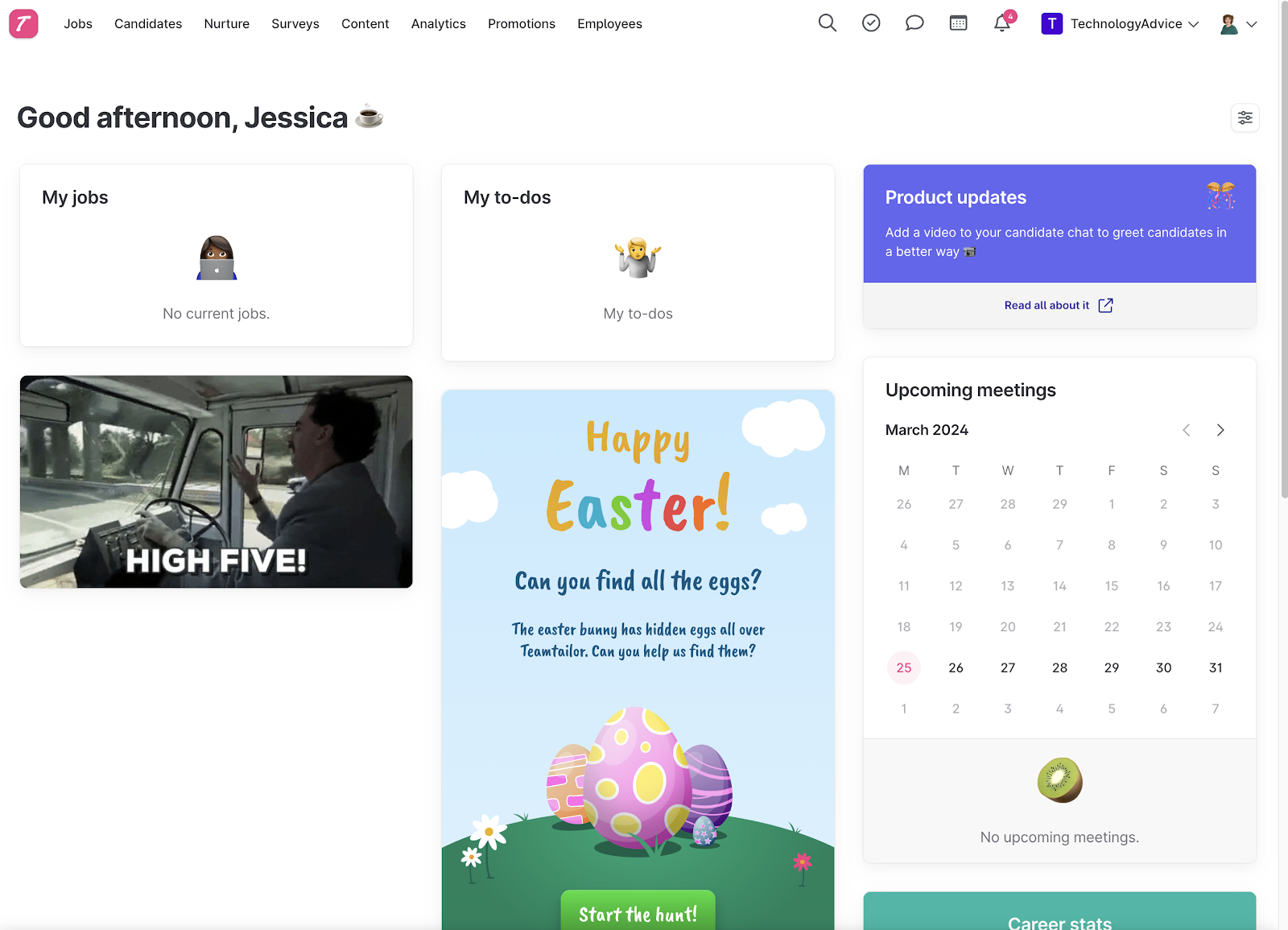
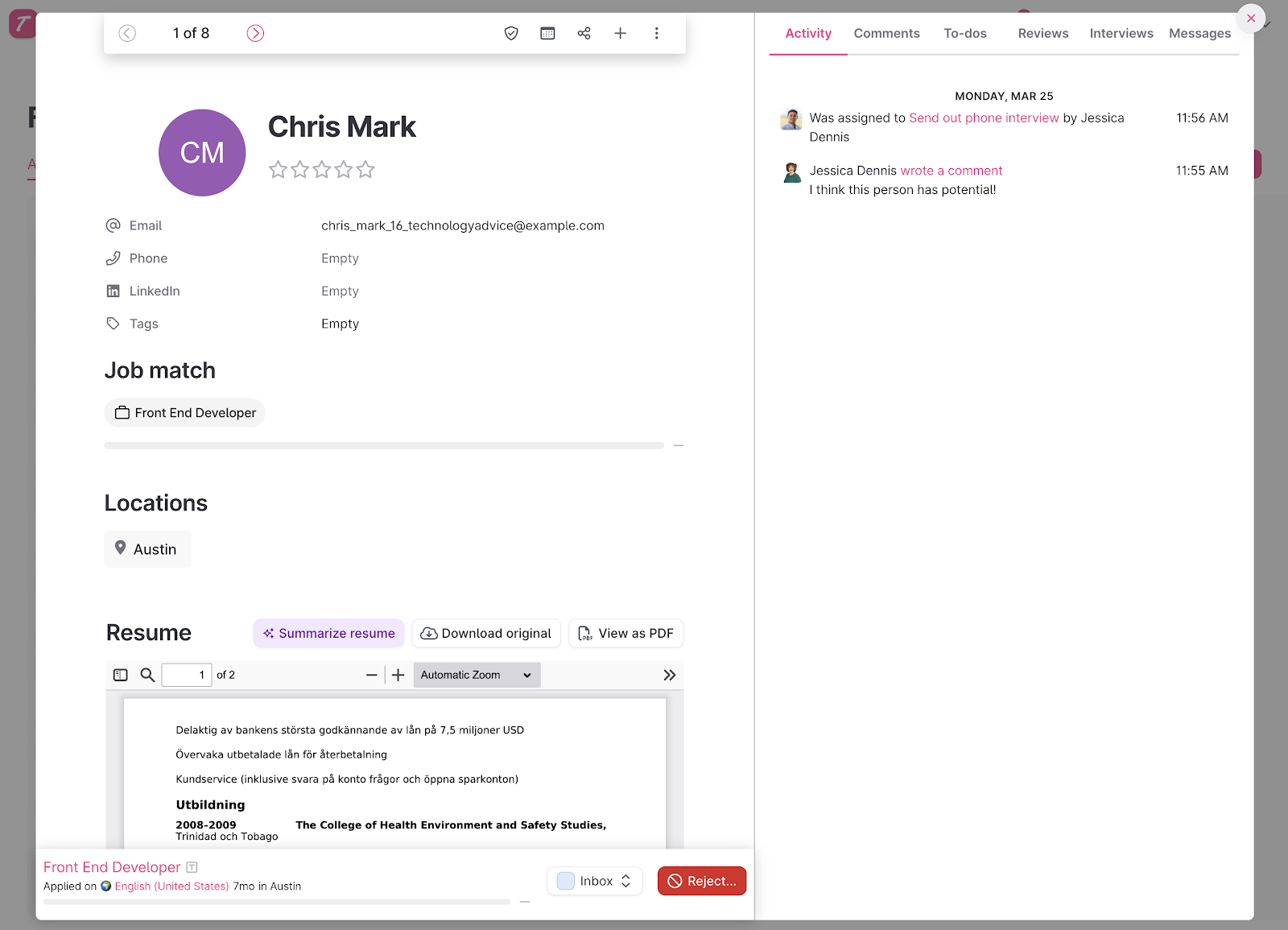
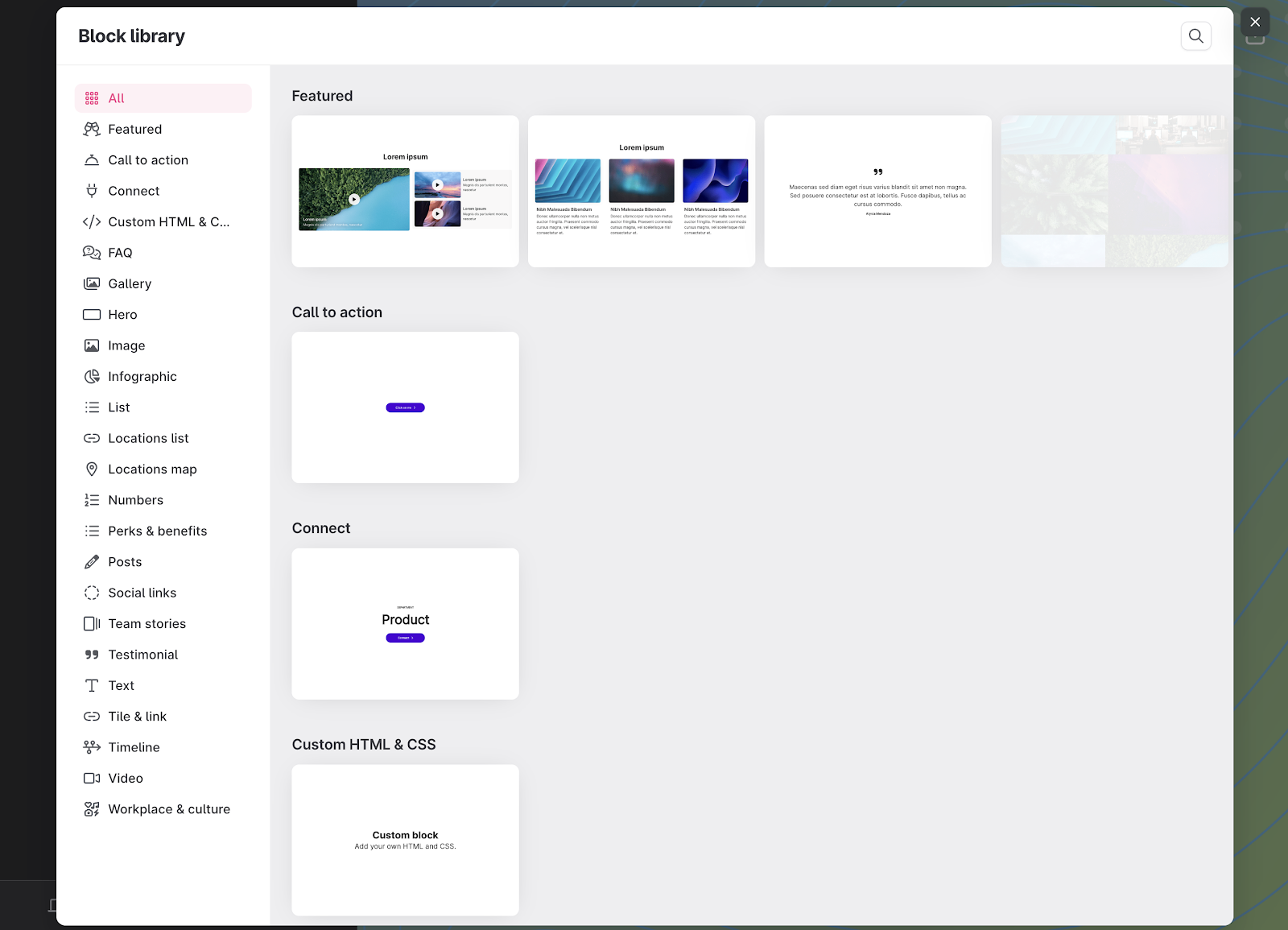
Many of Teamtailor’s features enhance the candidate experience and speed up critical recruitment metrics like time-to-hire. For example, its customizable career site allows your employees to post content about what it’s like to work at your company and encourage prospects to apply — ensuring a steady stream of interested candidates even before you post a job opening.
Teamtailor’s modern appearance, drag-and-drop hiring pipeline, and in-module customization options make it accessible to new and seasoned recruitment teams. It even natively supports functions like video interviewing and generative AI, compared to other recruiting software, like Greenhouse, which relies on integrations.
However, enterprise hiring teams will likely find Teamtailor too simple. Customizing reports and analytics visualizations is rather rudimentary since you must start from one of Teamtailor’s base reports. Teamtailor keeps candidates in a centralized database rather than separate traditional talent pools. You can filter candidates and save those groups as reusable segments, although teams accustomed to dedicated talent-pool structures may find the workflow less intuitive. If you need more granular options like benchmarking to evaluate your recruitment team’s effectiveness, look to Jobvite instead.
Candidate experience
Many of Teamtailor’s features aim to improve your passive recruiting initiatives even though it is not a full-fledged candidate relationship management (CRM) like iCIMS. Staple CRM features like email nurturing campaigns, career site content creation, and external sourcing capabilities are available and straightforward to use in Teamtailor.
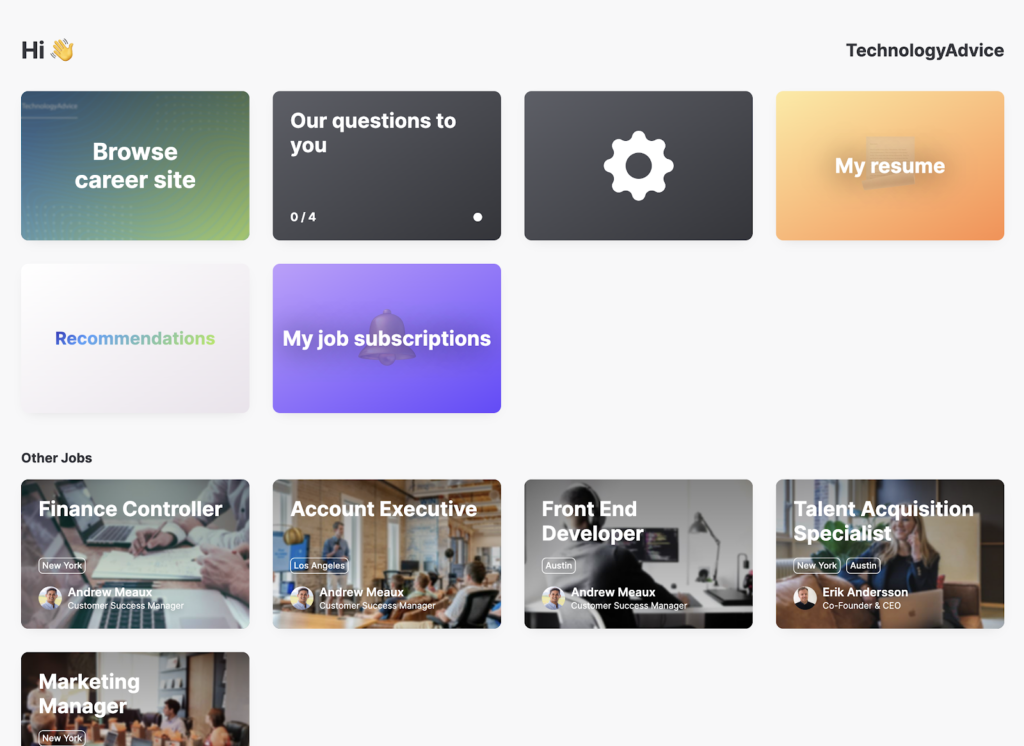
But the most surprising feature that even many CRMs lack is Teamtailor’s candidate-facing profiles. Available for candidates to create once they choose to “connect” with your company’s career site, these profiles market your open opportunities and allow candidates to keep tabs on their application progress.
According to Monster’s 2025 WorkWatch Report, 50% of workers said poor communication about their application was a reason they would pull out of the hiring process. Teamtailor’s Connect profiles can help address that frustration by giving candidates a place to follow application updates and stay engaged with company content throughout the hiring process.
Pipeline management
Teamtailor uses a combination of customizable automations and AI to manage your recruitment pipeline. Some of these include:
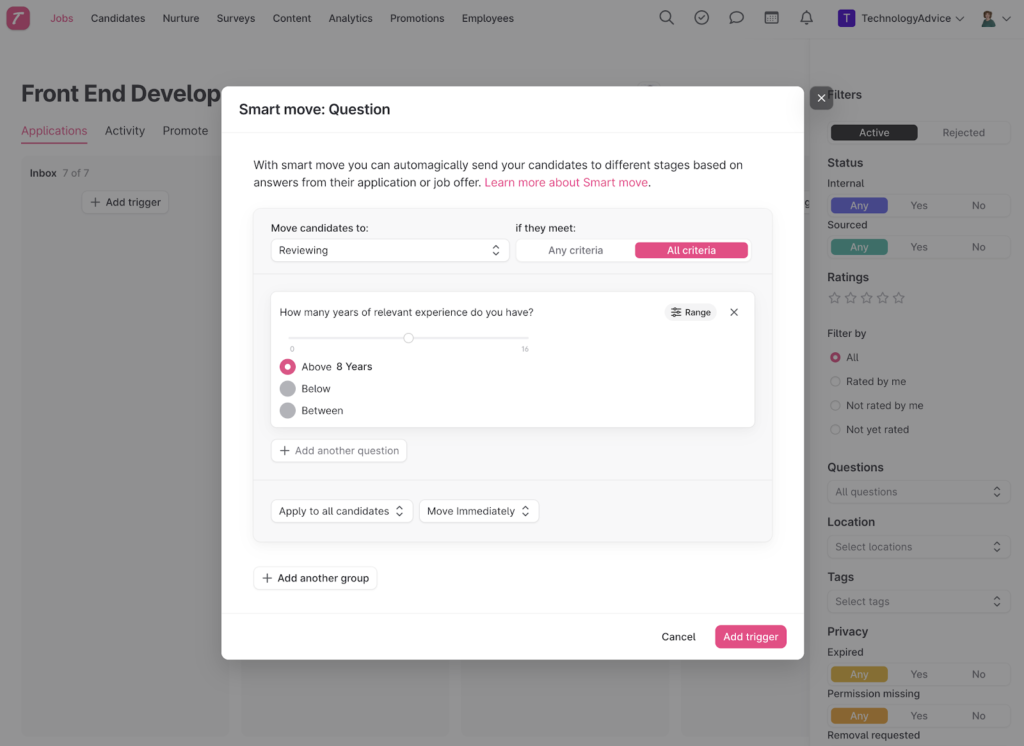
- Smart moves: Automatically moves candidates to different stages of your hiring funnel based on answers to questions or job offer status.
- Qualifying questions: Prevents applicants from continuing their job application if they answer a mandatory application question unsatisfactorily.
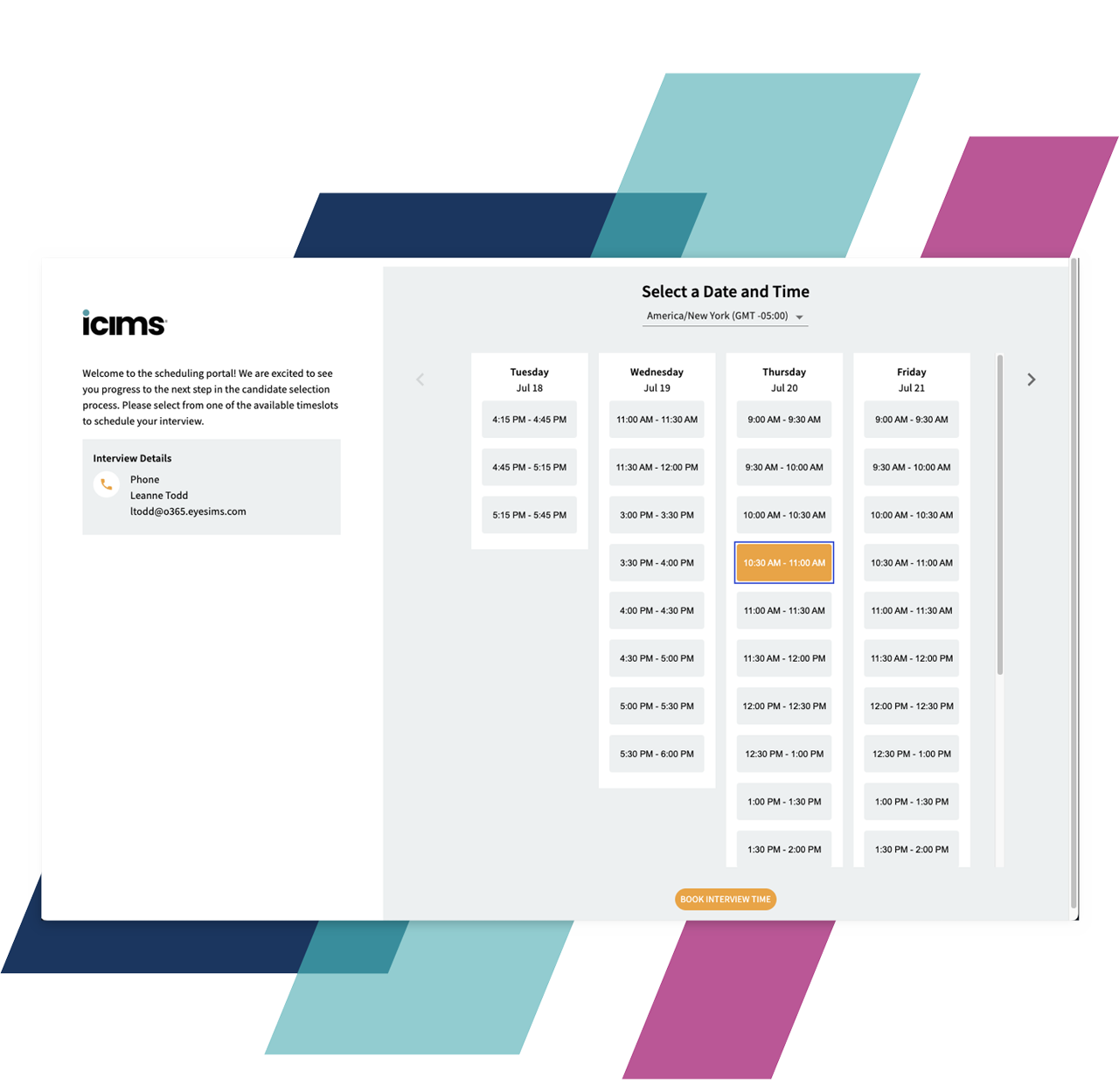
- Smart schedule: Automatically chooses interview times based on your hiring team’s schedule and sends these times to candidates.
- AI candidate screening and suggestions: Teamtailor’s Co-pilot can assess applicants against recruiter-defined criteria and suggest existing candidates whose profiles match an open role.
Most other vendors in this roundup offer only one or two of these capabilities. LeverTRM’s advanced automations, for example, are an add-on feature. These features are also beneficial if you have high-volume needs with few recruiters since Teamtailor progresses and identifies top candidates according to your unique criteria. That way, your recruiters focus on evaluating and nurturing the candidates with the greatest chance of hiring success.
A word of caution:
Automations and AI candidate scoring are great ways to improve hiring efficiency. However, they can promote candidates from majority groups who frequently benefit from unfair societal systems. Learn more about AI in recruiting and diversity hiring so your teams understand how to use these tools responsibly.
Employee dashboard
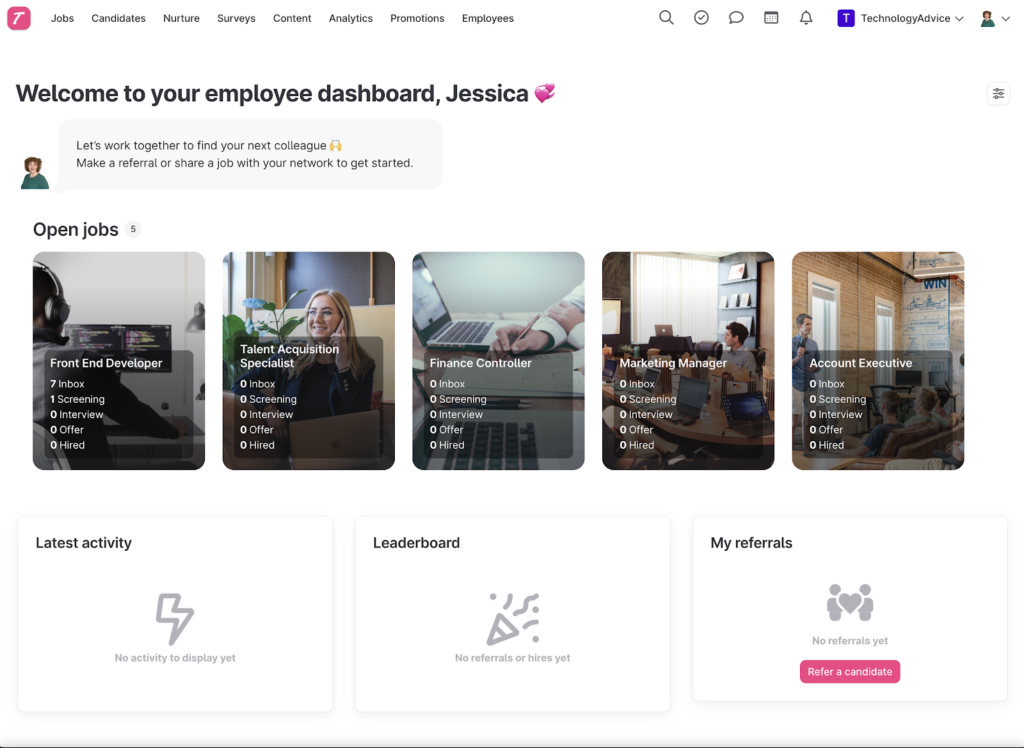
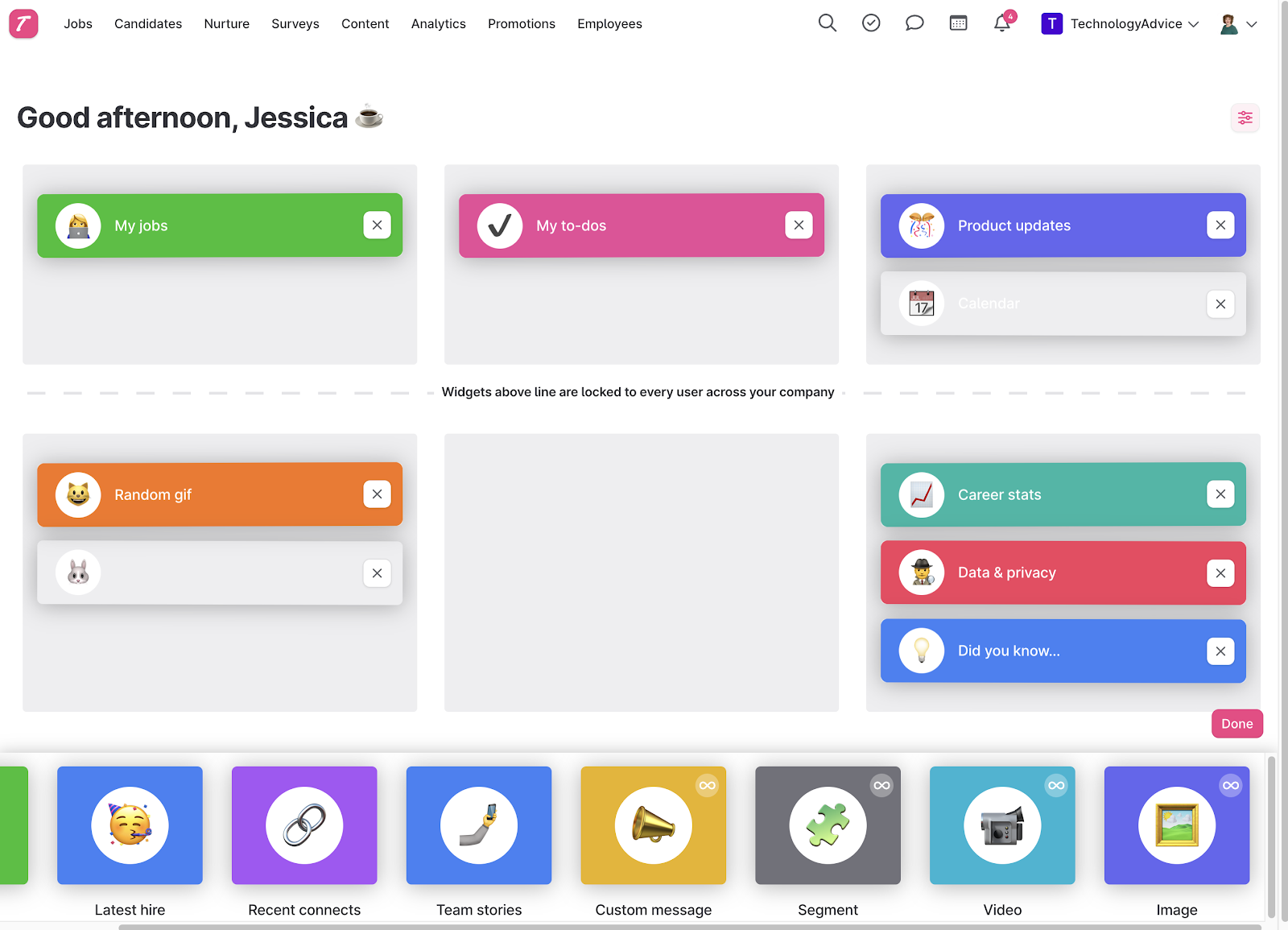
Teamtailor’s employee dashboards allow your workforce to monitor and apply for internal opportunities. Employees can also use the dashboard to refer candidates to jobs and monitor their referral’s progress in your recruitment pipeline.
Although Teamtailor lacks referral incentive management tools similar to Workable’s rewards programs, it does gamify the experience. A referral leaderboard widget displays who refers the most talent and whose referrals the company ultimately hires. Besides fostering friendly workplace competition, Teamtailor’s employee dashboard enables you to find the best talent from both external and internal sources.
Teamtailor does not reveal its pricing, so you must contact its sales team for a custom quote. All Teamtailor subscriptions come with unlimited job postings, unlimited users, and live chat support 24 hours a day during the weekdays. Beyond that, pricing depends on the specific features you need and your employee headcount.
Teamtailor’s lack of transparency heavily impacted its overall pricing score. Earning only a 1.56 out of 5, Teamtailor only beat Jobvite and iCIMS with similarly hidden pricing because of its 14-day free trial. Some review sites note that Teamtailor pricing starts at $1,250 annually, but this is likely an underestimate.
If budget is an issue, Breezy HR has several of the same features as Teamtailor, plus transparent pricing. You can also visit our How Much Does HR Software Cost? page for a deep dive into average prices for different types of recruitment software, including recruitment platforms.
Add-on features:
- Onboarding.
- Job offer approvals.
- SMS text messaging.
- BI Connector.
- Requisition flow.
- Enterprise calendar.

Breezy HR: Best for startups
Overall score
3.83/5
User reviews
4.15/5
Pricing
4.31/5
Support
2.48/5
Platform and interface
4.23/5
Reporting and analytics
3.00/5
Candidate relationship management
3.94/5
Applicant tracking features
4.54/5
Assessments and interviews
3.35/5
Pros
- Free plan includes unlimited users and a customizable career site.
- Native e-signature and offer management.
- Access to more than 800 recruiting templates, including job descriptions, interview questions, and offer letters.
- Native video assessments and reference-checking capabilities.
Cons
- The dedicated Recruiter Portal requires the Growth plan or higher.
- Email nurture campaigns are limited to the Business plan and higher.
- Data import and export are limited to the Pro plan.
- The free plan only provides access to candidates added within the last 30 days.
Why I chose Breezy HR
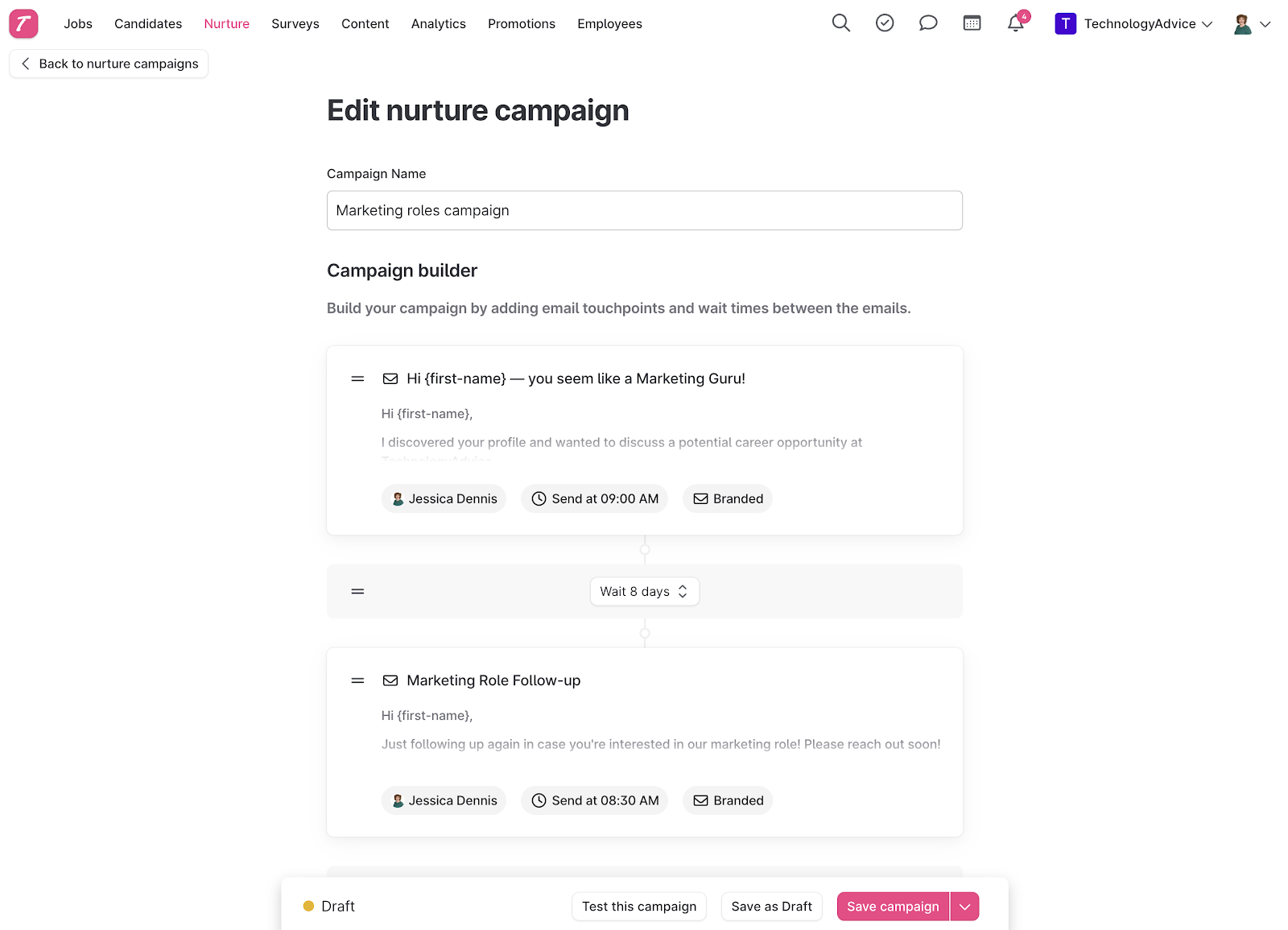
Breezy HR is a strong fit for startups and small teams with occasional or low-volume hiring needs. Its free plan covers the core recruiting workflow, including job posting, candidate tracking, résumé parsing, interview scheduling, and candidate communication, making it possible to manage straightforward hiring without paying for a full ATS.
It also works well for teams without a dedicated recruiter. Stage automations, templates, Slack integrations, a mobile app, and built-in guidance help hiring managers stay organized without a steep learning curve.
Breezy HR becomes less competitive as hiring volume and reporting needs grow. Advanced workflows, nurture campaigns, and reporting require higher-tier plans, while dashboard customization remains limited. Teams running more complex or high-volume recruiting programs may get more flexibility from iCIMS or Zoho Recruit.
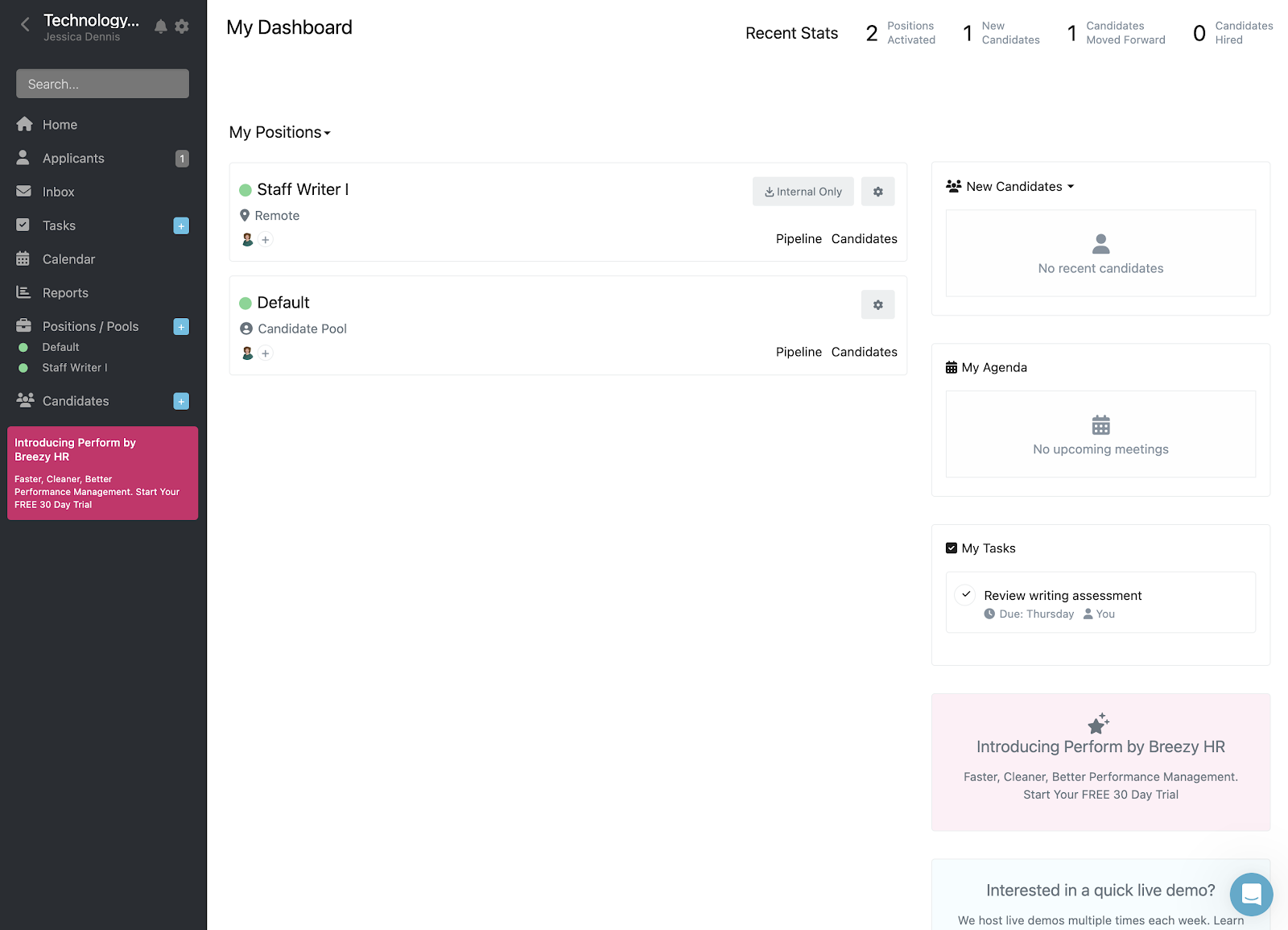
Breezy HR targets small and medium-sized businesses with infrequent to moderate hiring needs. Its features focus heavily on the operational side of recruitment, like organizing candidates, scheduling interviews, and collecting new hire information to centralize and create an auditable record of your hiring efforts.
Like Teamtailor, Breezy HR is beginner-friendly since most of its features are plug-and-play. Out-of-the-box recruiting pipelines, email templates, talent pools, and report options allow your teams to create, post, and analyze hiring progress quickly with little need for customization. This is essential if you’re a startup where employees perform multiple functions, including hiring.
More seasoned recruiters may find customizing Breezy HR to their liking frustrating and slow. For example, you must navigate a series of dropdown menus to find and modify your recruitment settings. Breezy HR also forces you to create new jobs by following its step-by-step workflow instead of saving job requisition templates and approval workflows ahead of time.
But if you’re on a budget and have immediate hiring needs, Breezy HR’s free plan and flat monthly fees are relatively affordable, especially if your employee headcount is inconsistent. Optional add-ons, like incognito apply and candidate text messaging, are also available if diversity hiring and candidate experience are top concerns.
Need performance management?
If you’re in the market for performance management software alongside recruitment, Breezy HR recently launched its Perform product line, including a free-forever plan for 1–9 employees.
Scalable plans
Breezy HR has five different subscription plans, more than any other vendor in my roundup. It is also the only platform to offer a free plan, making it the most accessible platform for startups with limited budgets but urgent hiring needs.
One of Breezy HR’s most attractive aspects is that it allows unlimited users and has a flat monthly rate pricing model, unlike competitors like Greenhouse. This means that as your headcount increases and decreases, your monthly costs will not change, allowing you to budget more effectively in the early days of your new business.
Another benefit of Breezy’s scalable plans is that you get access to features, like external recruiter and multi-location support, that align with your business growth. Plus, its many tiers make it easier to stay with one platform without the need to migrate data or switch platforms as your hiring needs evolve.
Team collaboration
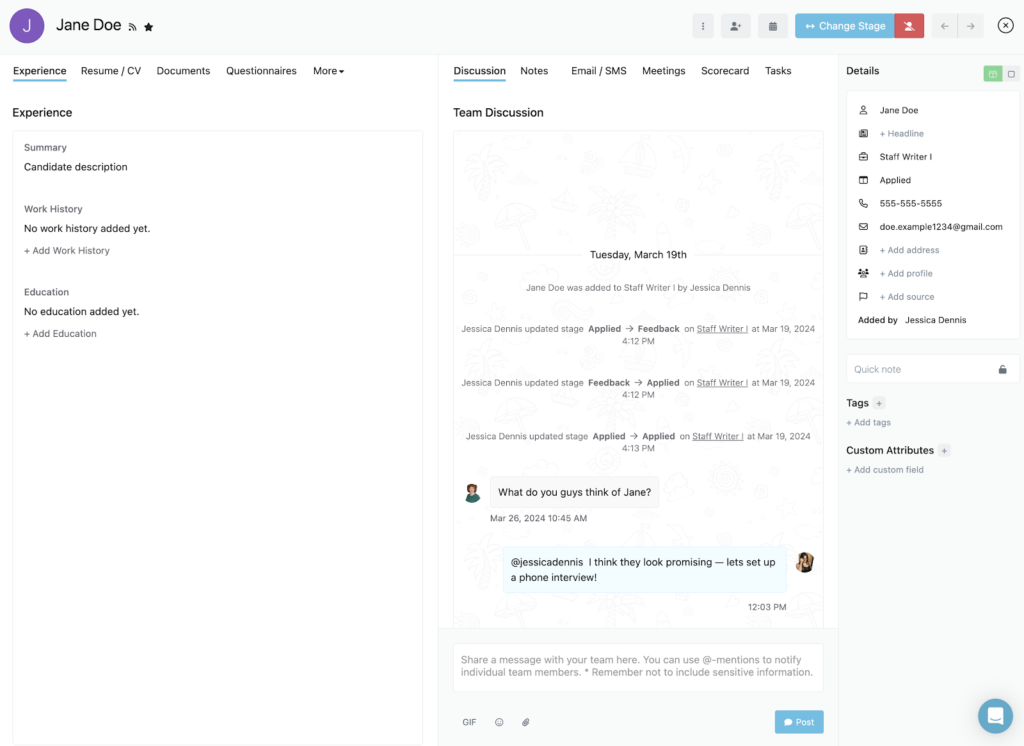
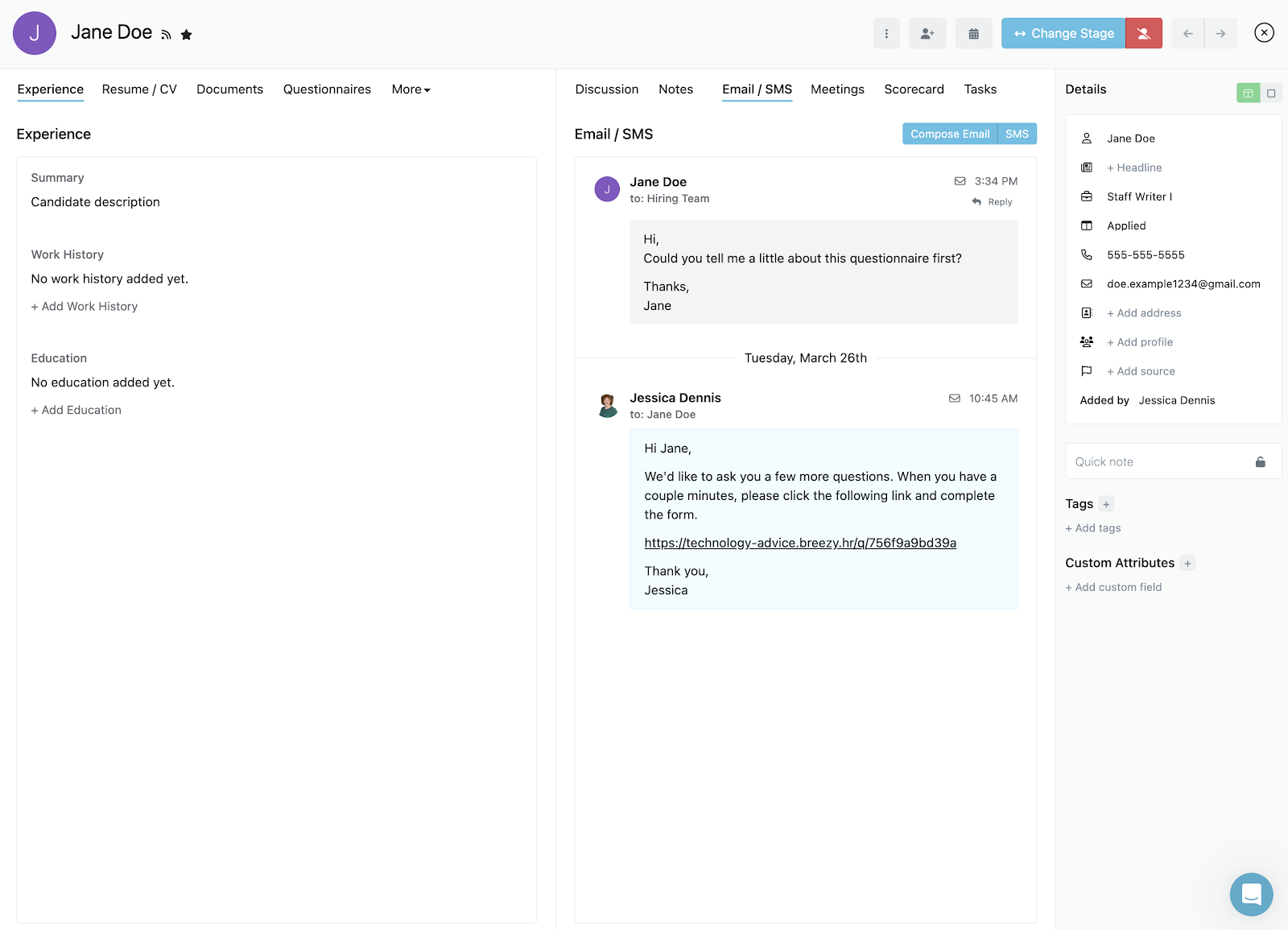
Breezy HR facilitates collaboration between hiring stakeholders through @mentions, task assignments, and user roles. You can create various recruitment teams, assign permission levels, and create multi-stakeholder approval workflows so open positions and hiring documents align with your recruitment strategy.
Stakeholders in a position can also interact directly with each other in each candidate profile, including sharing feedback, attachments, assessment results, and interview schedules. As a result, the candidate profile becomes a single source of truth that keeps everyone aligned on a candidate’s progress without resorting to multiple modes of communication.
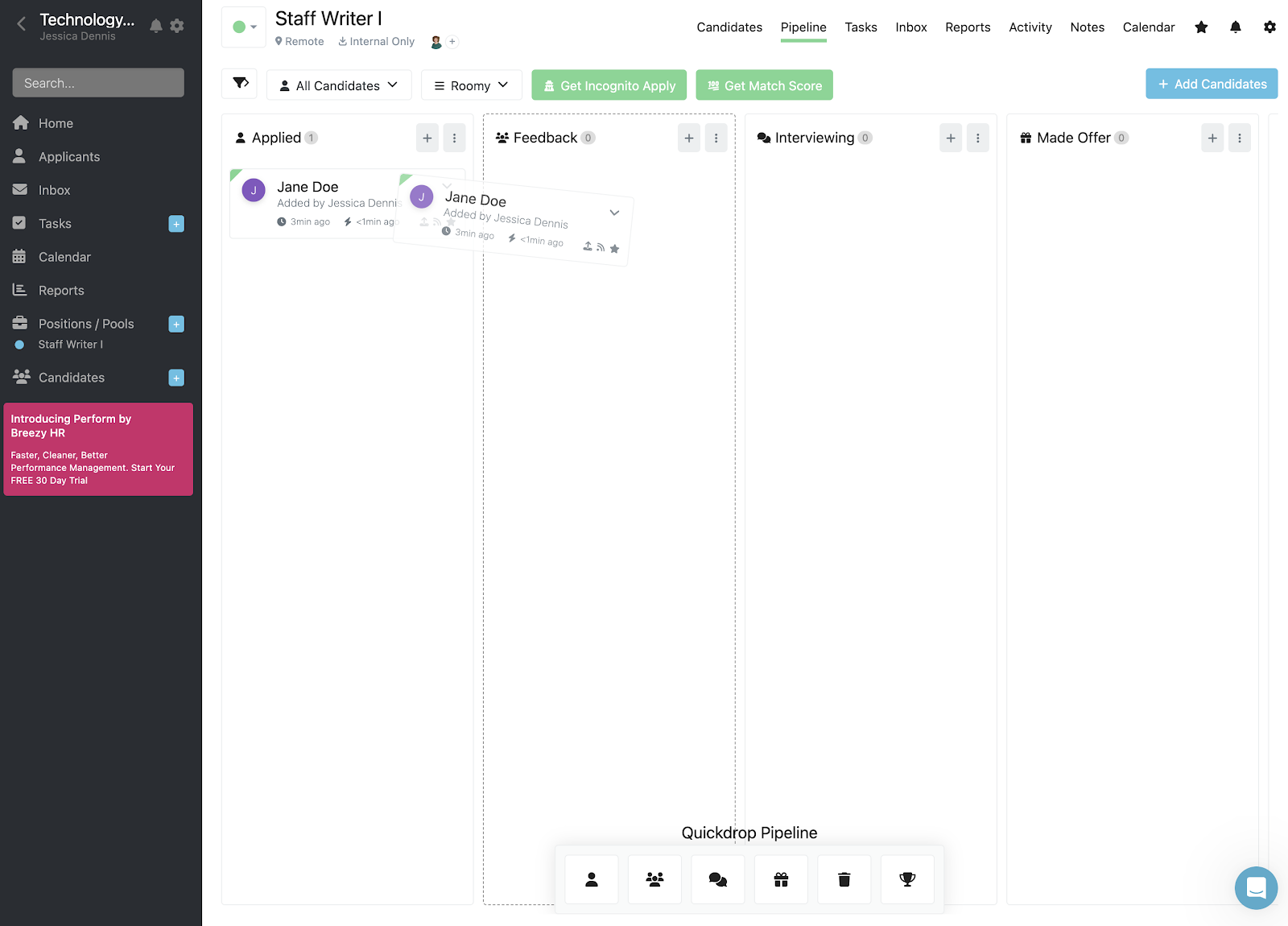
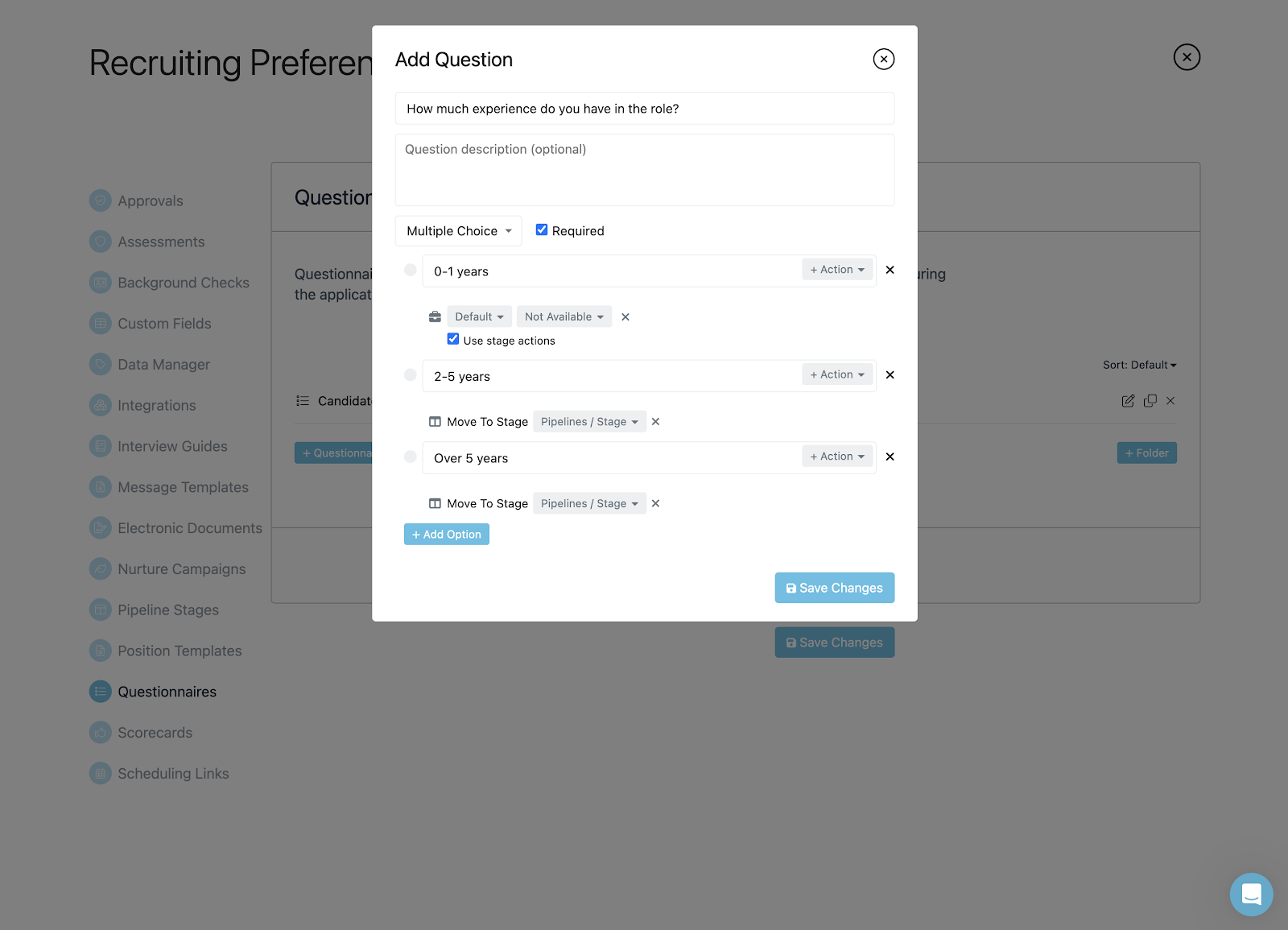
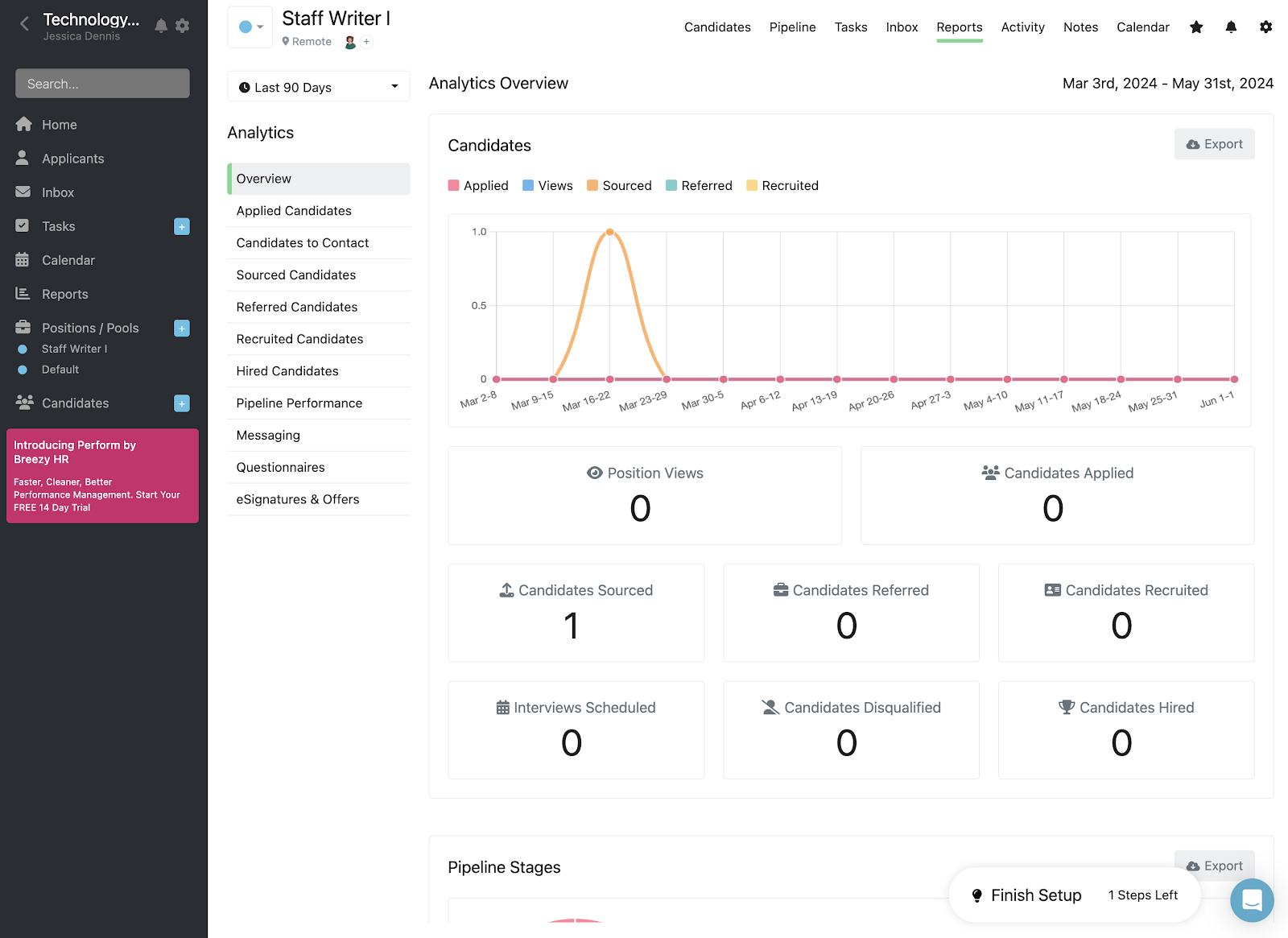
Breezy HR offers five subscription tiers: Bootstrap, Startup, Growth, Business, and Pro. Breezy’s multiple subscription plans, 14-day free trial, free tier, discount annual pricing, and lack of long-term contract made it the top-scoring platform for pricing at 4.31 — behind only my honorable mention, Zoho Recruit.
While Breezy HR certainly wins the day in cost savings, there are a few catches. First, there is a major cost jump from Breezy’s free plan to one of its paid tiers. Its Startup tier, for example, starts at $157 per month, which can be a huge additional expense for small teams. In comparison, JazzHR’s lowest-paid tier, Hero, starts at $75 per month.
Breezy is also best if you’re starting your recruitment journey from scratch since Breezy offers assisted migrations from select ATS platforms on annual Growth, Business, and Pro plans. Even so, Breezy’s plan variety is attractive if you’re growing fast and need more advanced features to accommodate you at reasonable prices.
Breezy HR subscription tiers
Bootstrap
Startup
Growth
Business
Pro
Forever free.
Includes:
- Unlimited users.
- Access to candidate information for 30 days.
- Career site.
- Job post syndication to more than 50 job boards.
- GDPR compliance controls and automations.
- Résumé parsing.
Annual: $157 per month.
Monthly: $189 per month.
Includes everything in Boostrap, plus:
- Unlimited candidates, positions, and talent pools.
- Background check integrations.
- Customizable automations, questionnaires, and pipeline stages.
- EEO/OFCCP reporting.
- Calendar, video, and Slack integrations.
- Mobile app.
- Interview self-scheduling.
- Analytics and reporting.
- Task management.
- Video assessments.
Annual: $273 per month.
Monthly: $329 per month.
Includes everything in Startup, plus:
- Reference checking.
- Interview guides.
- Employee referrals.
- E-signatures.
- External recruiter support.
- Hello Messenger AI chatbot (for career site).
- Multiple position locations and recruiting pipelines.
Annual: $439 per month.
Monthly: $529 per month.
Includes everything in Growth, plus:
- Multi-path questionnaires.
- Assessment and HR system integrations.
- Candidate comparison.
- Nurture campaigns.
- Custom roles and permissions.
- Job and offer approval workflows.
- Offer management.
Contact sales for a quote.
Includes everything in Business, plus:
- Dedicated account manager.
- Advanced reporting.
- Custom domains.
- Data export/import.
Breezy HR add-ons
- Breezy Intelligence: Starts at $30 per 100,000 credits
- SMS/Text Messaging: Starts at $41 per month
- Onboarding: Starts at $49 per month
- Perform
- Expert Training
Note: Annual pricing subscriptions include two months free.

Workable: Best for small businesses
Overall score
3.48/5
User reviews
3.91/5
Pricing
3.50/5
Support
4.20/5
Platform and interface
3.96/5
Reporting and analytics
2.63/5
Candidate relationship management
2.94/5
Applicant tracking features
4.10/5
Assessments and interviews
2.83/5
Pros
- HR features, like employee directories and organizational charts, are included in all plans
- Access to time-off management, onboarding, and document management features on the Standard plan and above.
- Anonymous candidate screening to reduce hiring bias in all plans.
- All customers can access customer support by email, chat, and phone.
- Integrates with nearly 20 HR platforms, including popular vendors like BambooHR, Bob, Deel, Rippling, and Paylocity.
Cons
- Video interviews, assessments, and texting features are add-ons.
- Salary estimator is an extra cost and is only available in annual subscription plans.
- Lacks a drag-and-drop visual hiring pipeline for easier candidate management.
Why I chose Workable
Workable is a strong choice for small businesses that want recruiting, onboarding, and basic HR tools in one system. Its interface is relatively easy to learn, while features such as AI-assisted job descriptions, candidate recommendations, self-scheduling, and automated workflows help lean teams move applicants through the hiring process with less manual work.
It also gives Workable an advantage over more narrowly focused ATS platforms. Built-in onboarding, e-signatures, document management, time-off tools, and HR integrations can reduce the number of separate systems a small business needs to manage after a candidate is hired.
The tradeoff is cost and flexibility. Workable can become expensive as headcount grows, and some integrations or more advanced capabilities may require a higher plan or additional fees. Teams that only need a straightforward ATS may find Breezy HR more economical, while companies with more complex reporting or enterprise recruiting needs may be better served by Jobvite or iCIMS.
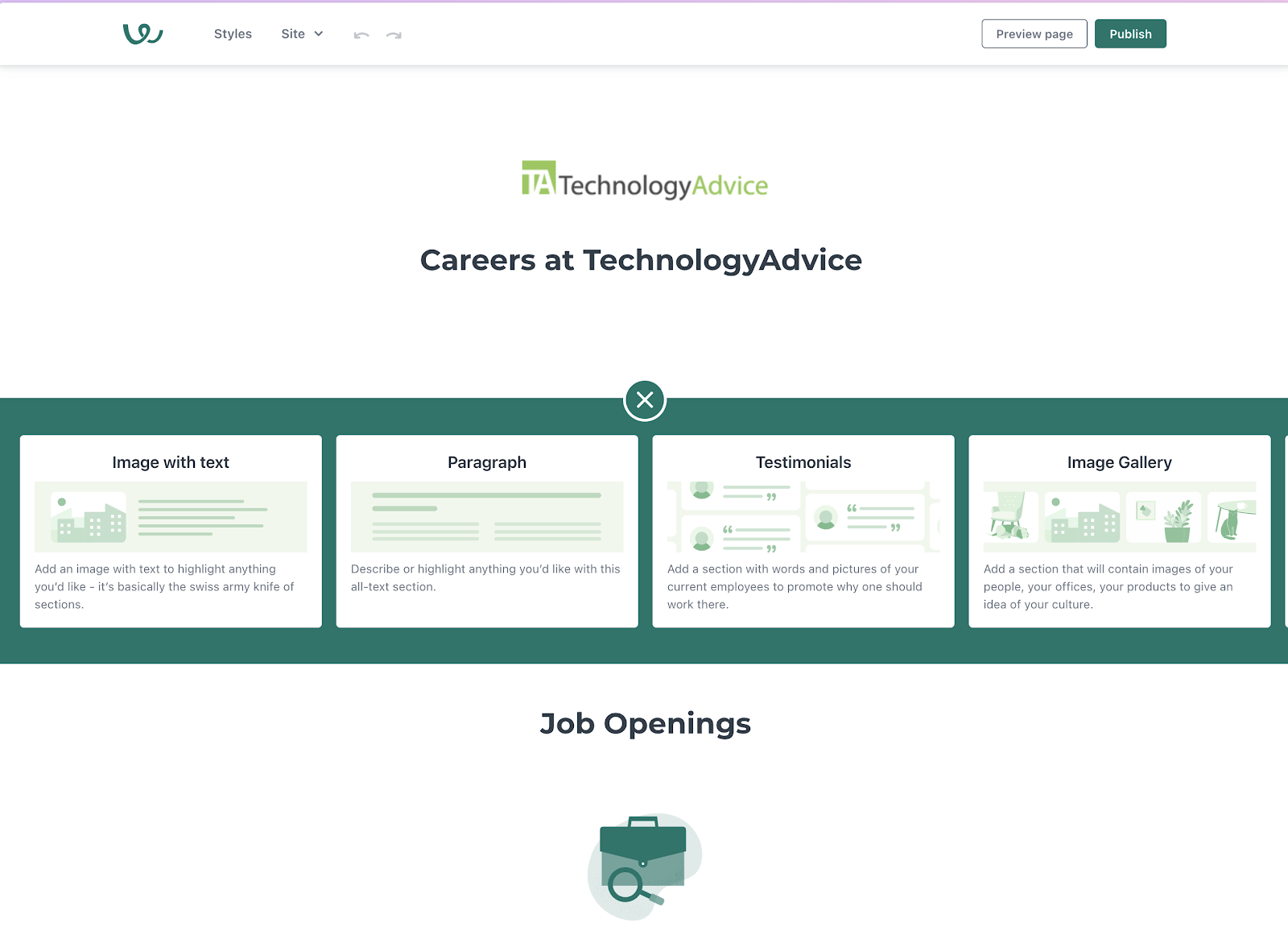
Although it’s a basic ATS at its core, Workable includes elements like email nurture campaigns, a Chrome browser sourcing extension, and referral portals for more strategic hiring. Features like anonymized screening and e-signatures on all subscription tiers mean you don’t have to rely on third-party solutions for employee document management and compliance control.
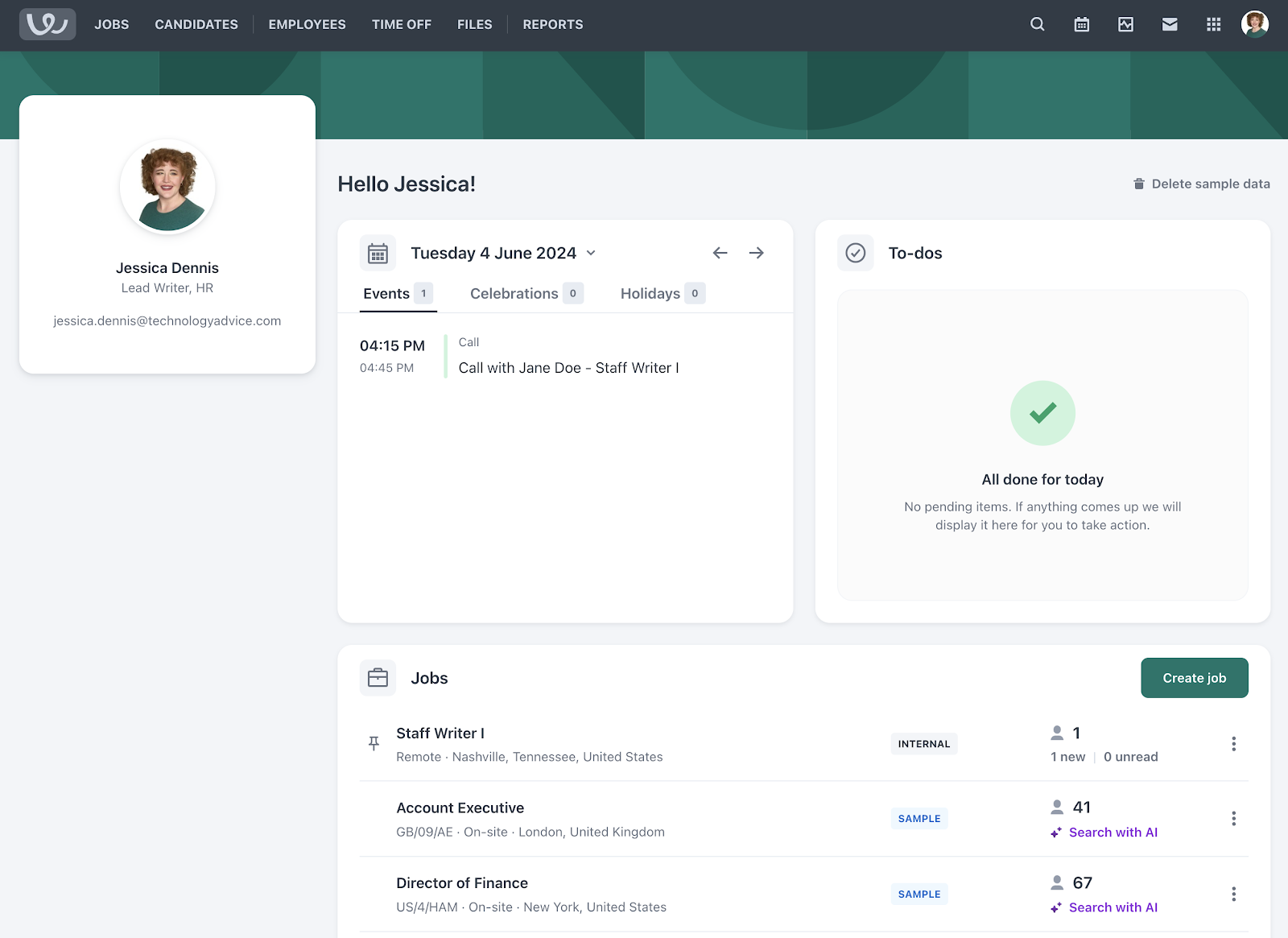
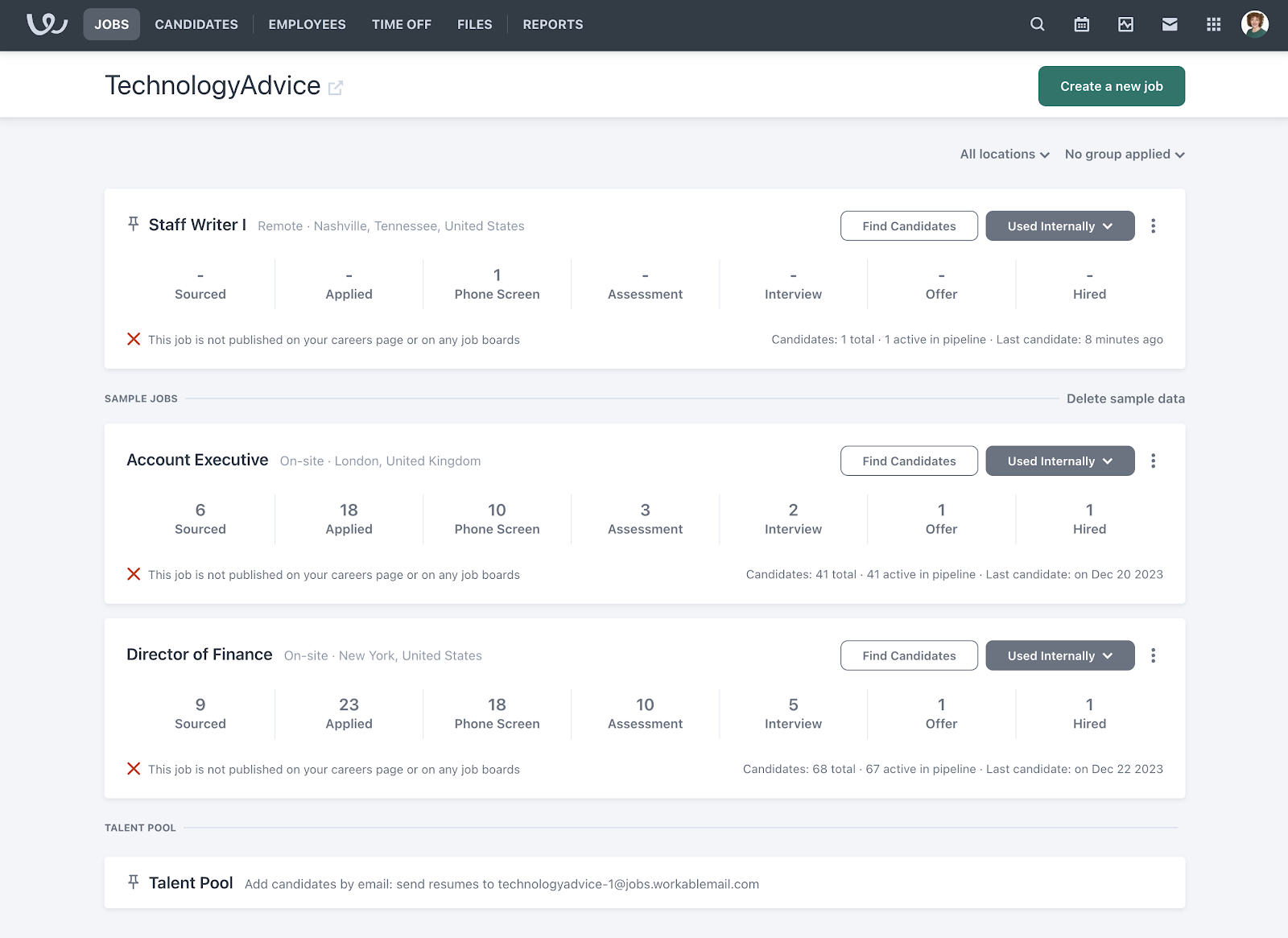
Workable’s interface is particularly suited for small businesses that need quick implementation and setup. You can start creating and posting a job with just one click from its homepage and jobs dashboards. Many features follow step-by-step workflows with instructions to accommodate new users. And unlike Teamtailor, you can save multiple hiring pipeline workflows without starting them from scratch when you create a new job.
However, because of Workable’s plug-and-play feature set, it does lack some of the more granular capabilities of platforms like Jobvite and iCIMS. You can’t change or rearrange the widgets on your homepage to access the information most meaningful to you. Custom dashboard-style reports and visualizations are limited to Workable’s Enterprise plan, while lower tiers rely primarily on Workable’s built-in reports and exports.
Onboarding support
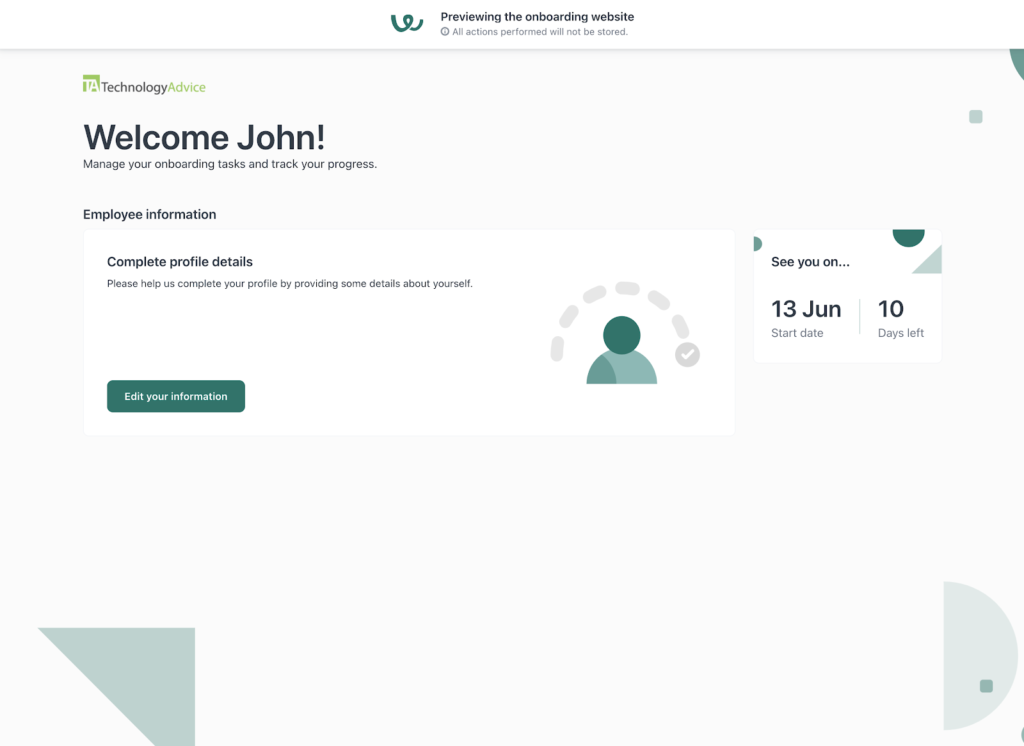
Workable includes a built-in onboarding module that allows you to preboard new recruits as soon as you hire them. You can set up a workflow with specific data you want to collect from employees, such as offer letters, employee handbook acknowledgments, personal demographics, and emergency contacts. New employees can also complete this information without creating an account login.
Workable’s onboarding module works best if you don’t use other document management or onboarding software. Although you can create fillable documents for collecting employee e-signatures, Workable does not automatically update critical federal and state forms like the I-9 and W-4. This means your company is responsible for ensuring that you use the correct forms and that they are properly completed and stored.Workable also can’t assign new hire onboarding training or collect critical payroll data, like direct deposits and benefits enrollment data. That said, it’s better to use Workable to manage employee electronic data if you do payroll yourself and lack an HRIS.
Automated candidate sourcing
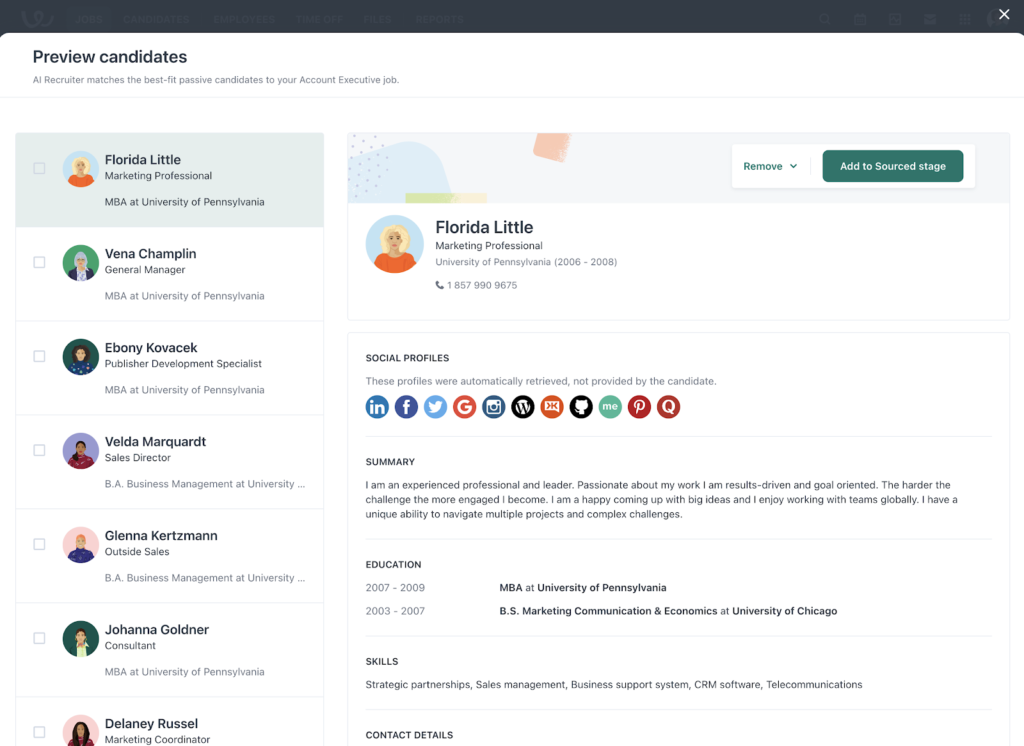
One of Workable’s biggest differentiators is its AI-powered candidate sourcing capabilities. Workable’s AI uses your job descriptions and skills to search millions of online candidate profiles to find the most promising prospects to fill your position.
You can use Workable automated candidate sourcing in one of two ways. The first way involves searching for best-match candidates directly from your open job post and adding top candidates to your “sourced” stage. Alternatively, you can use Workable’s People Search to find and add passive candidates to Workable’s Talent Pool for future engagement.
Even cooler is Workable’s targeted outreach capabilities, which allow you to display your open job post in some of your top passive candidates’ social media feeds to entice them to apply.
One major drawback is that Workable’s anonymized screening can also apply to candidates in the Sourced stage, helping obscure identifying information during initial review. This could potentially give the candidates you source through Workable’s recommendations an unfair advantage over traditional applicants.
Nevertheless, these functions can help find candidates faster, especially if you’re a small business without a dedicated recruitment team
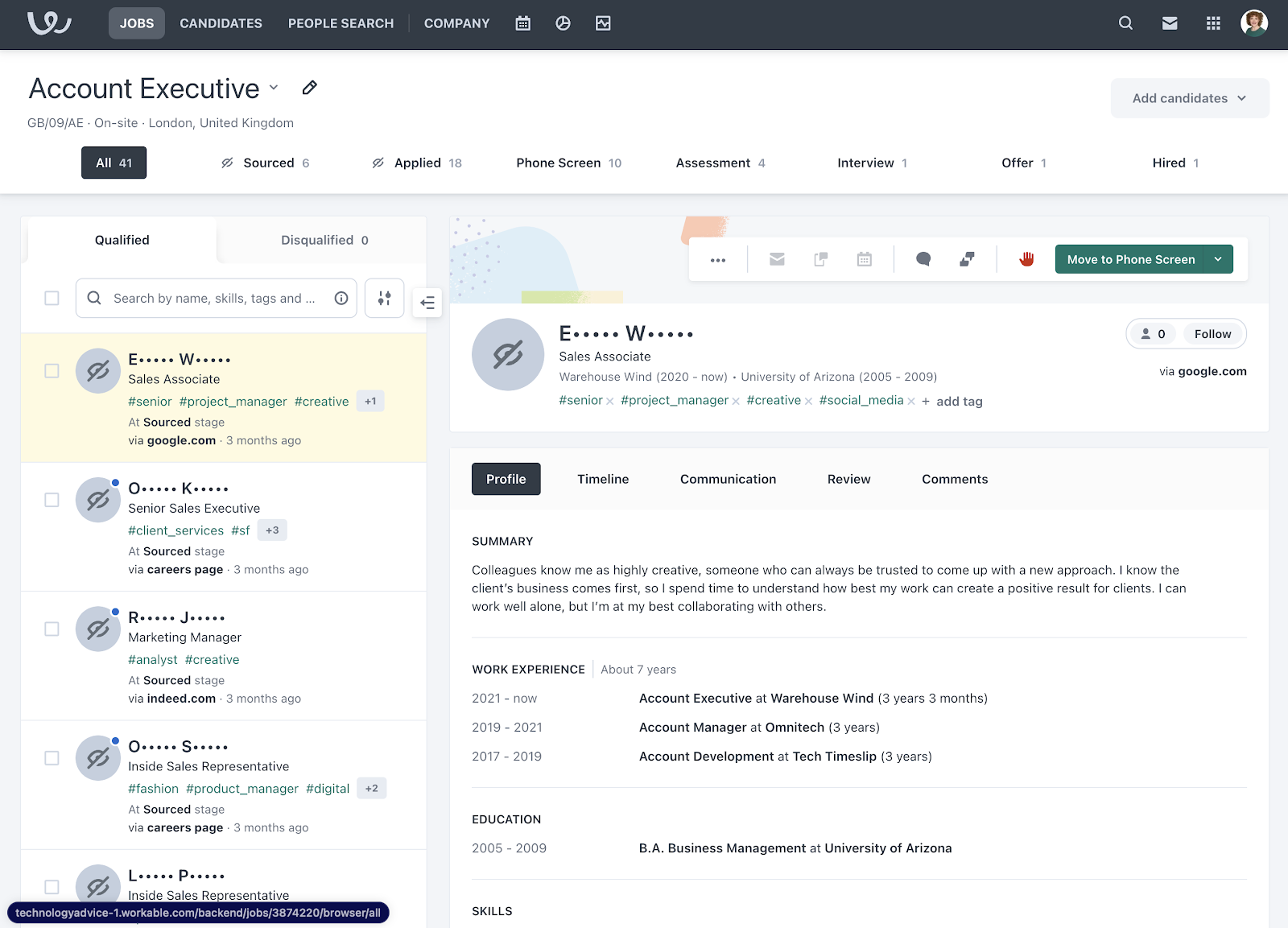
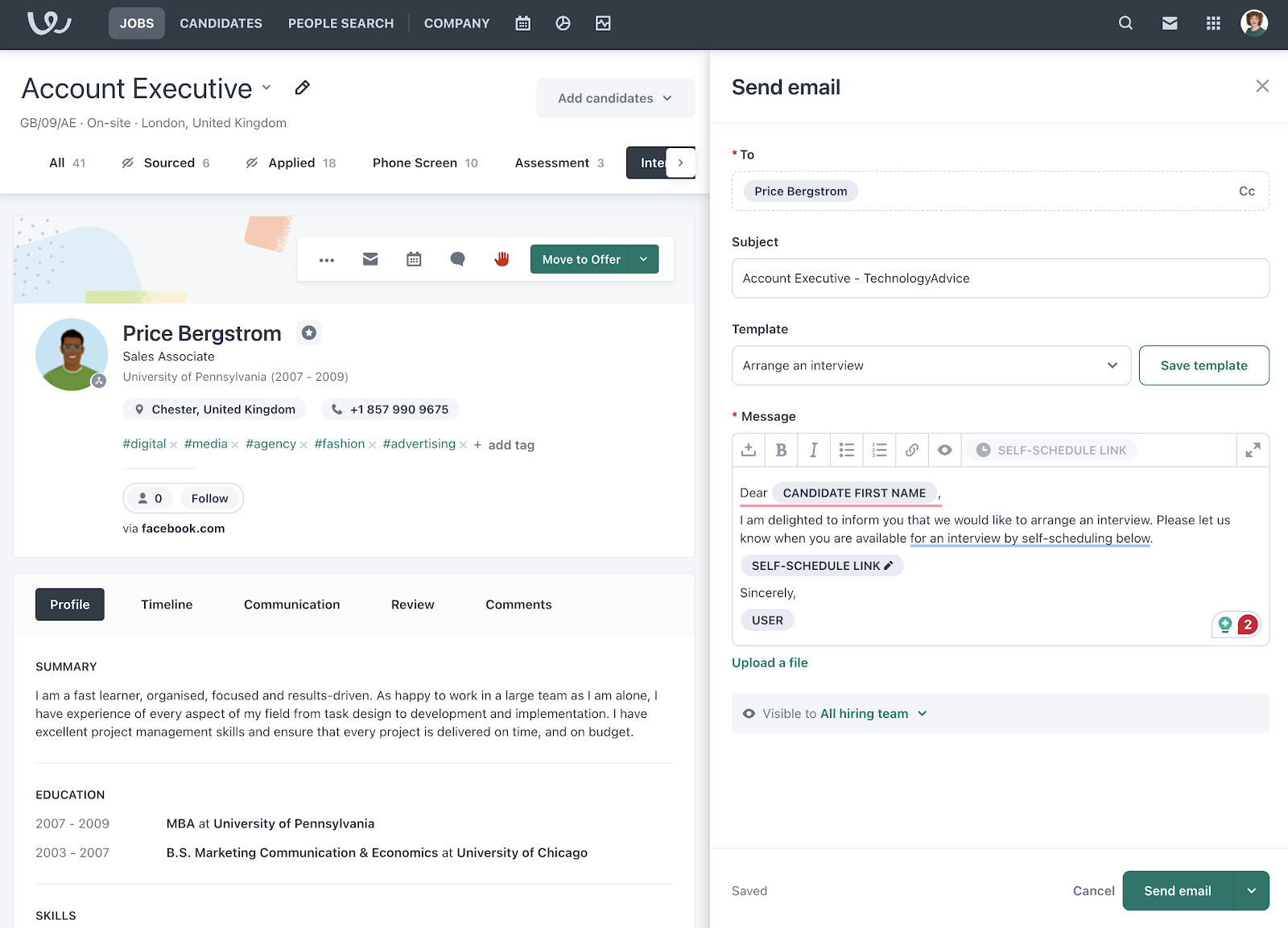
Workable offers three paid plans: Standard, Premier, and Enterprise, with pricing based on employee headcount. Standard starts at $360 per month for companies with 1–20 employees. This is comparable to all-in-one HR and payroll platforms with built-in ATS. That said, Workable earned a score of 3.5 for its 15-day free trial, discounted annual pricing, and lack of long-term contracts. Plus, because users can access all of Workable’s recruitment features in every plan, small businesses with fewer than 50 employees can source, automate, and nurture candidates without paying enterprise-grade prices.
Workable subscription tiers
Starter
Standard
Premier
- $149 per month.
- Monthly billing only.
- Core recruiting features.
- Up to 50 employees.
- Up to 2 active jobs.
- Free HR features (employee profiles, directory, and organizational chart).
- Pricing:
- 1–20 employees: $299 per month.
- 21–50 employees: $409 per month.
- 51–100 employees: $639 per month.
- 101–250 employees: $999 per month.
- 251–500 employees: $1,339 per month.
- More than 500 employees: Call for a quote.
- Monthly or annual billing.
- Core recruiting features.
- Unlimited active jobs.
- Free HR features.
- Pricing:
- 1–20 employees: $599 per month.
- 21–50 employees: $809 per month.
- 51–100 employees: $1,169 per month.
- 101–250 employees: $1,529 per month.
- 251–500 employees: $2,099 per month.
- More than 500 employees: Call for a quote.
- Annual billing only.
- Core recruiting features.
- Unlimited active jobs.
- Free HR features.
- Hiring plan and requisition approvals.
- Nine native language options.
- Single sign-on support.
- Premium support.
- Custom account implementation.
- Video, texting, and assessment add-ons are included.
Workable add-ons
Starter plan
Standard plan
Premier plan
Video interviews
Video interviews
Video interviews
$49/mo.
- 1–20 employees: $99
- 21–50 employees: $149
- 51–100 employees: $269
- 101–250 employees: $389
- 251–500 employees: $529
- More than 500 employees: Call for a quote
Included with plan.
Texting
Texting
Texting
$39/mo.
- 1–20 employees: $79
- 21–50 employees: $119
- 51–100 employees: $179
- 101–250 employees: $249
- 251–500 employees: $329
- More than 500 employees: Call for a quote
Included with plan.
Assessments
Assessments
Assessments
$29/mo.
- 1–20 employees: $59
- 21–50 employees: $99
- 51–100 employees: $159
- 101–250 employees: $209
- 251–500 employees: $279
- More than 500 employees: Call for quote
Included with plan.
Note: All prices are based on annual billing subscriptions and do not include add-on prices for time off management, employee onboarding, and e-signatures for company files.
Jobvite: Best for midsize businesses
Overall score
3.68/5
User reviews
3.97/5
Pricing
0.50/5
Support
2.78/5
Platform and interface
3.93/5
Reporting and analytics
5.00/5
Candidate relationship management
4.63/5
Applicant tracking features
4.34/5
Assessments and interviews
2.78/5
Pros
- Access to NXTThing RPO for consulting and recruitment outsourcing services.
- Benchmark reporting to compare your recruiting performance to competitors in the same industry and size.
- Automated employee referral campaigns with referral tracking, rewards, and incentive management.
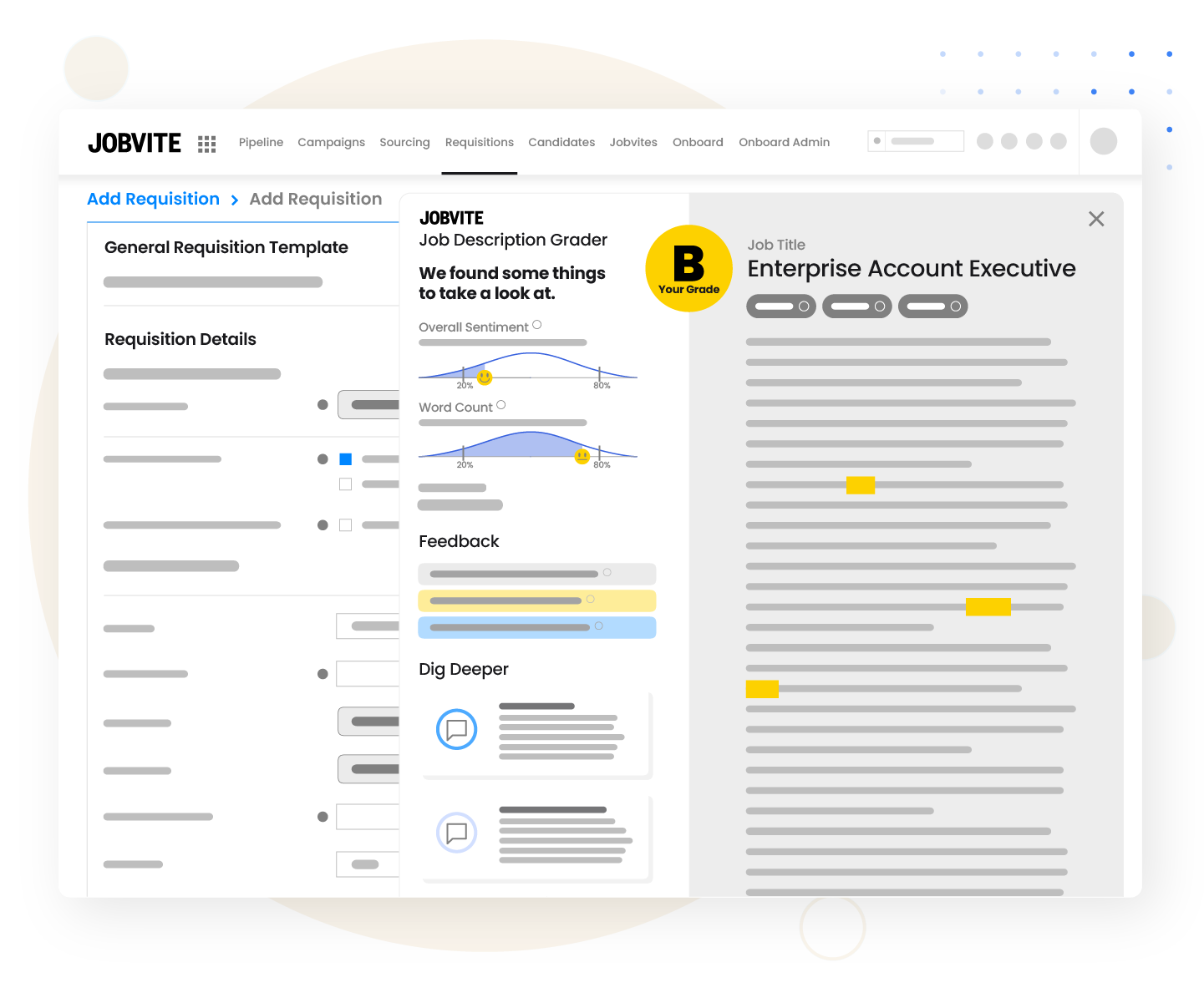
- Bias blocker and inclusive job description writing tool to support DEI hiring strategies.
Cons
- You must designate support contacts, limiting who can contact customer service for platform troubleshooting.
- Chatbot screening relies on pre-populated questions and configured screening criteria.
- Must pay extra for access to API keys.
- Must pay extra for premium support.
Why I chose Jobvite
Jobvite is a strong choice for midsize organizations that need more than basic applicant tracking. It combines recruiting automation with advanced reporting, customizable workflows, recruitment marketing tools, and support for multiple departments, locations, and brands, making it better suited to more complex hiring operations.
Its biggest strength is the level of control it gives recruiting teams. Jobvite lets you tailor workflows, career sites, campaigns, and reporting to different hiring needs, while AI-powered tools can help screen and route candidates so recruiters can spend more time on qualified prospects.
That flexibility comes with a steeper learning curve. Smaller teams or companies that prioritize simplicity may find Jobvite more complex than they need. If ease of use and candidate experience matter more than deep customization and analytics, Teamtailor is likely the better fit.
Jobvite is Employ Inc.’s talent acquisition suite designed to improve a company’s passive recruiting methods for a steady stream of qualified candidates. In particular, Jobvite can help you create and distribute recruitment marketing to the best potential candidates to align with the increasingly diverse goals of your midsize business.
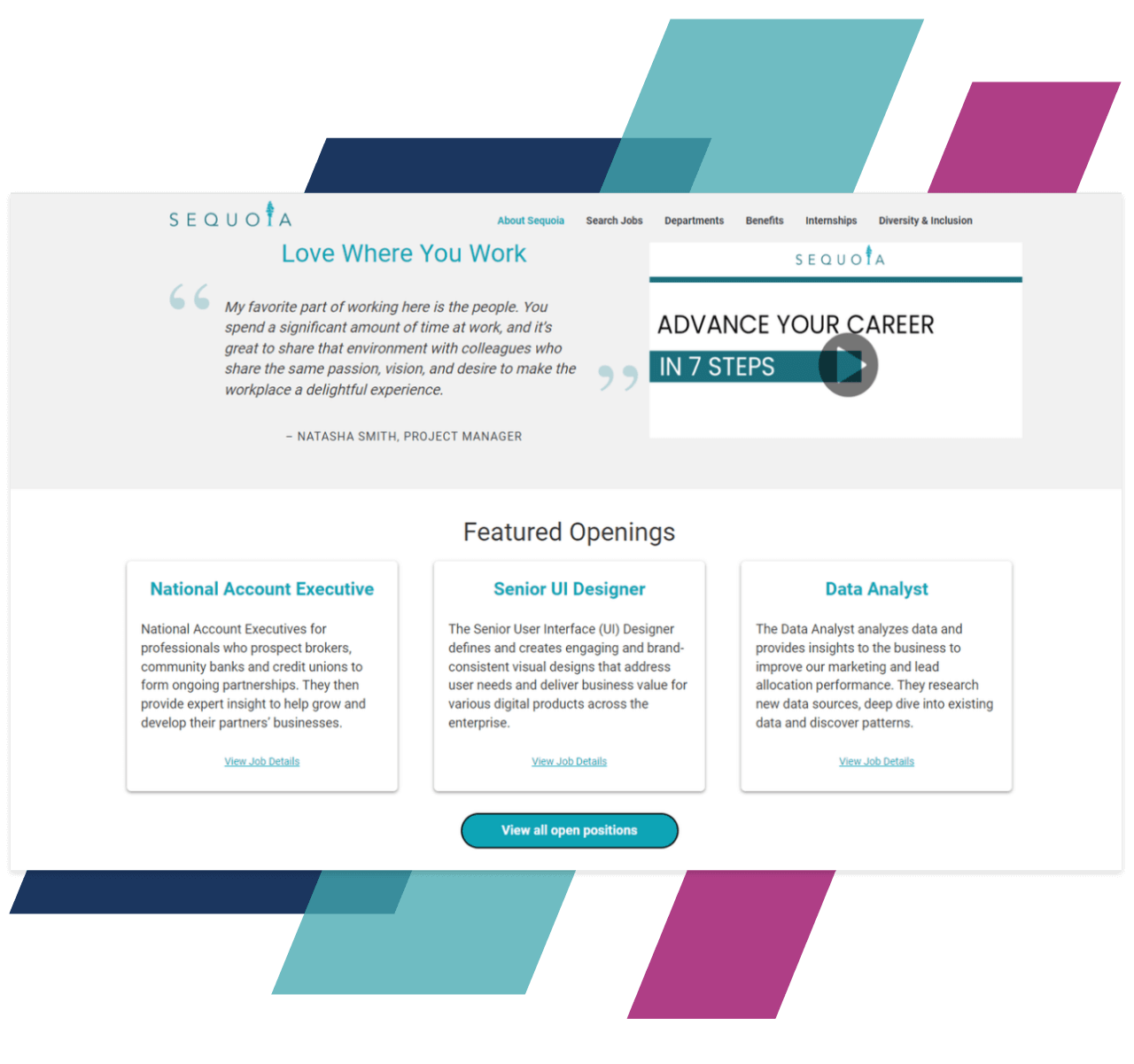
Jobvite’s career site module, for example, comes with SEO tools to understand your site’s visibility and engagement, plus RSS feeds for managing content syndication. You can even market roles for your multiple brands, locations, and geographies on the same site while its AI chatbot suggests top positions to site visitors based on their interests, skills, and location.
Unlike Breezy HR and Workable, Jobvite uses a modular pricing model. Organizations can start with its core ATS and add capabilities such as recruitment marketing, employee referrals, onboarding, and AI Interview Companion as their needs grow. For instance, Jobvite’s career sites and referral programs are also available as standalone products. This flexibility allows you to fill current software gaps without migrating data to a new product.
However, Jobvite’s many capabilities make it a poor choice if you have a small hiring team or infrequent hiring needs. Its interface takes time to get used to, especially when switching between different modules.Even worse for startups and small businesses is Jobvite’s support policies, which require a customer success plan subscription. Standard support functions, like access to software troubleshooting by phone and personal product training, cost more. Expect longer product ramp-up times due to self-led training and implementation on lower customer success subscription plans.
Reporting and analytics
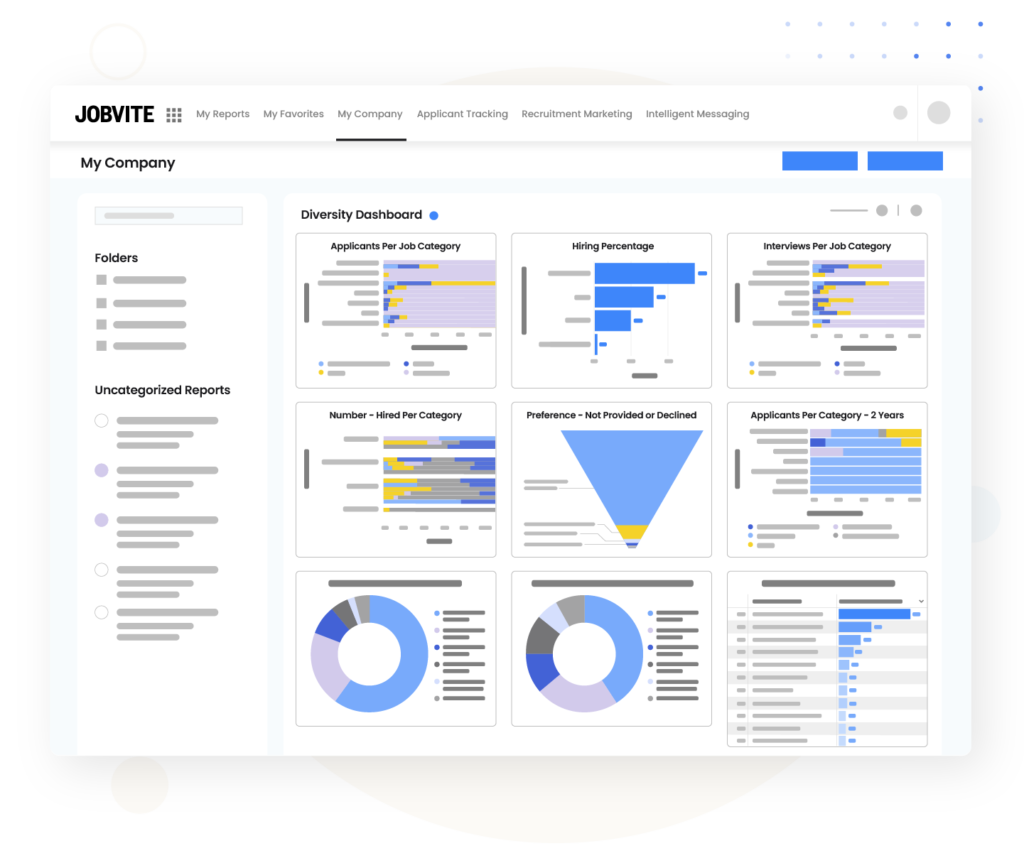
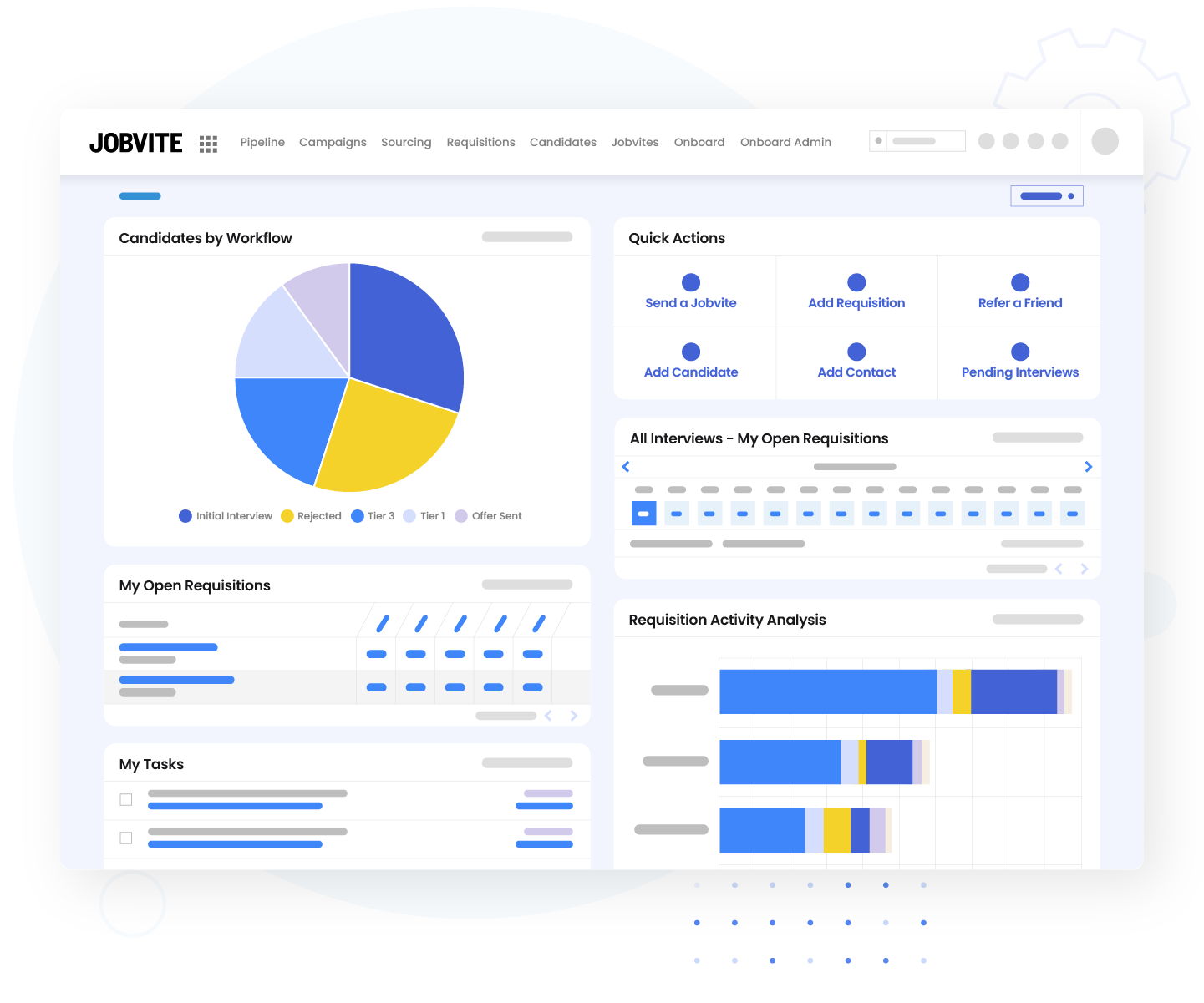
Reporting and analytics are among Jobvite’s strongest capabilities, earning a perfect 5 in my evaluation. The platform includes out-of-the-box reports and interactive dashboards for tracking metrics such as time-to-hire, pipeline conversion, application sources, and recruiting costs. You can also build and share custom dashboards, making it easier for recruiting leaders and other stakeholders to monitor the metrics that matter to them.
Jobvite goes beyond basic ATS reporting with benchmarking, DEI dashboards, and Data Exchange, which connects recruiting data with business intelligence platforms. This makes it possible to combine hiring data with other workforce metrics, such as new-hire performance, to evaluate harder-to-measure outcomes like quality of hire and ramp-up time.
These capabilities are especially useful for teams that need to understand which hiring sources, campaigns, and processes produce the strongest results. That level of analysis is a major reason I recommend Jobvite for organizations with more complex recruiting operations.
Recruitment campaigns
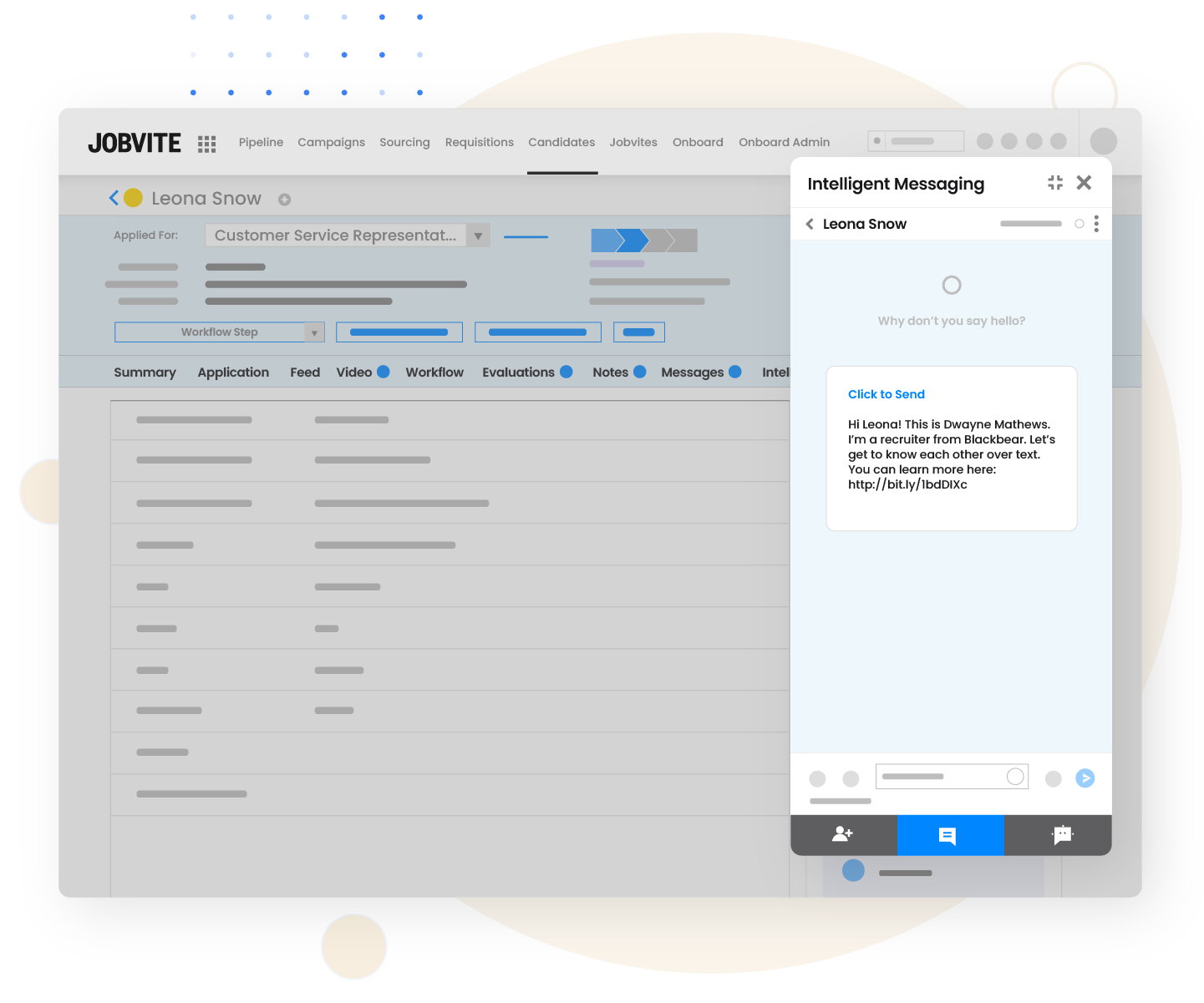
Jobvite stands out for its ability to manage candidate nurturing across multiple channels. Its omnichannel campaigns can engage prospects through email, text, web, and social media, while consolidating those interactions in each candidate profile so recruiters can see how prospects are responding over time.
The platform also uses candidate data to tailor recruitment content and outreach. For international hiring, that can include adjusting messaging, branding, and language based on a candidate’s location, which can help recruiting teams run more relevant campaigns across different markets.
These capabilities make Jobvite especially useful for organizations that rely heavily on passive sourcing, recruitment marketing, and ongoing talent-pool engagement rather than simply processing inbound applicants.
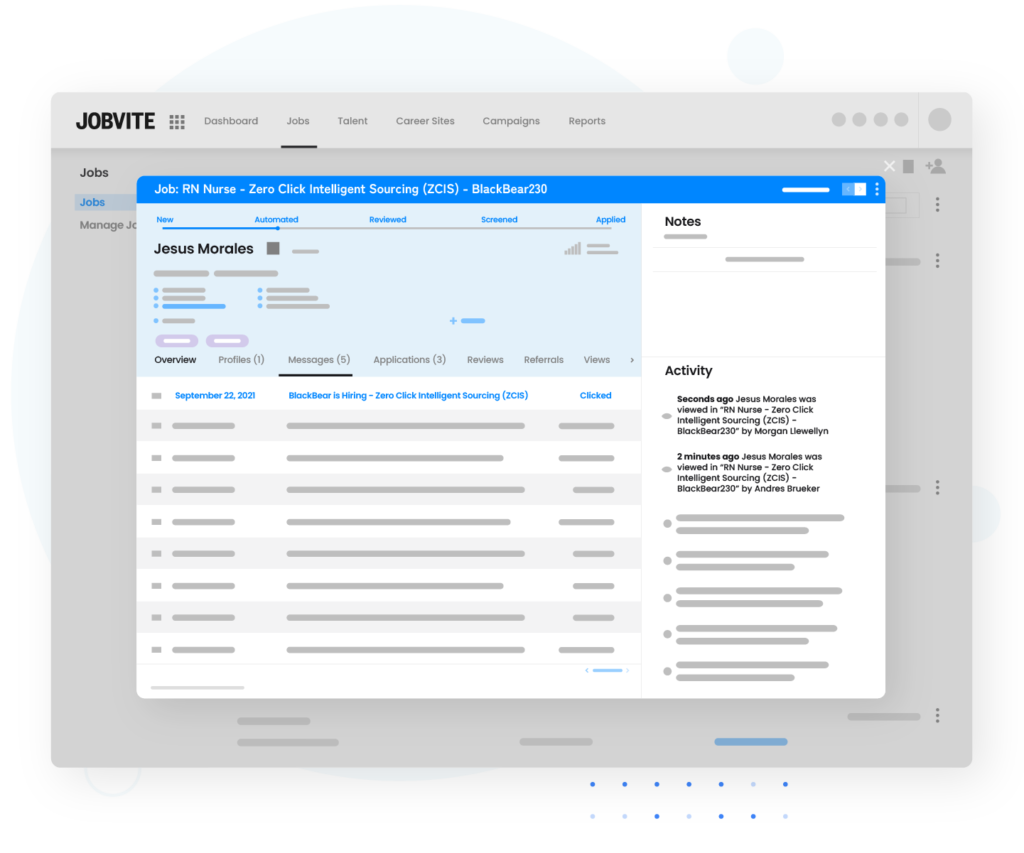
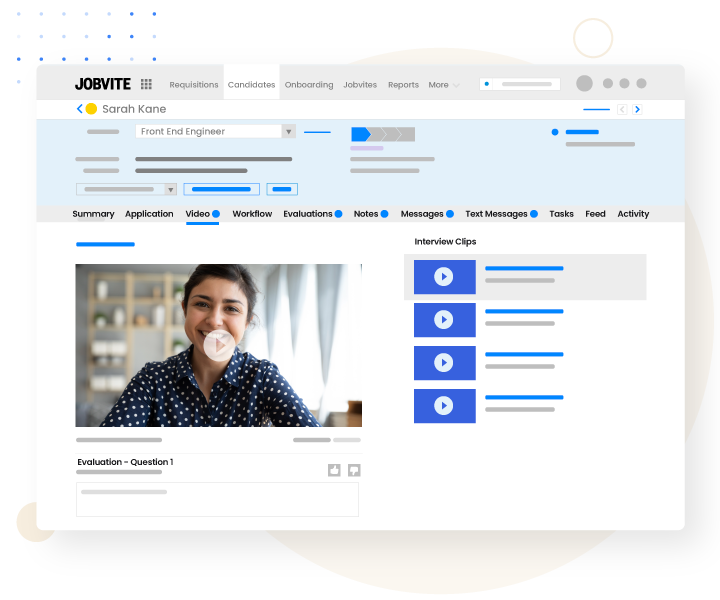
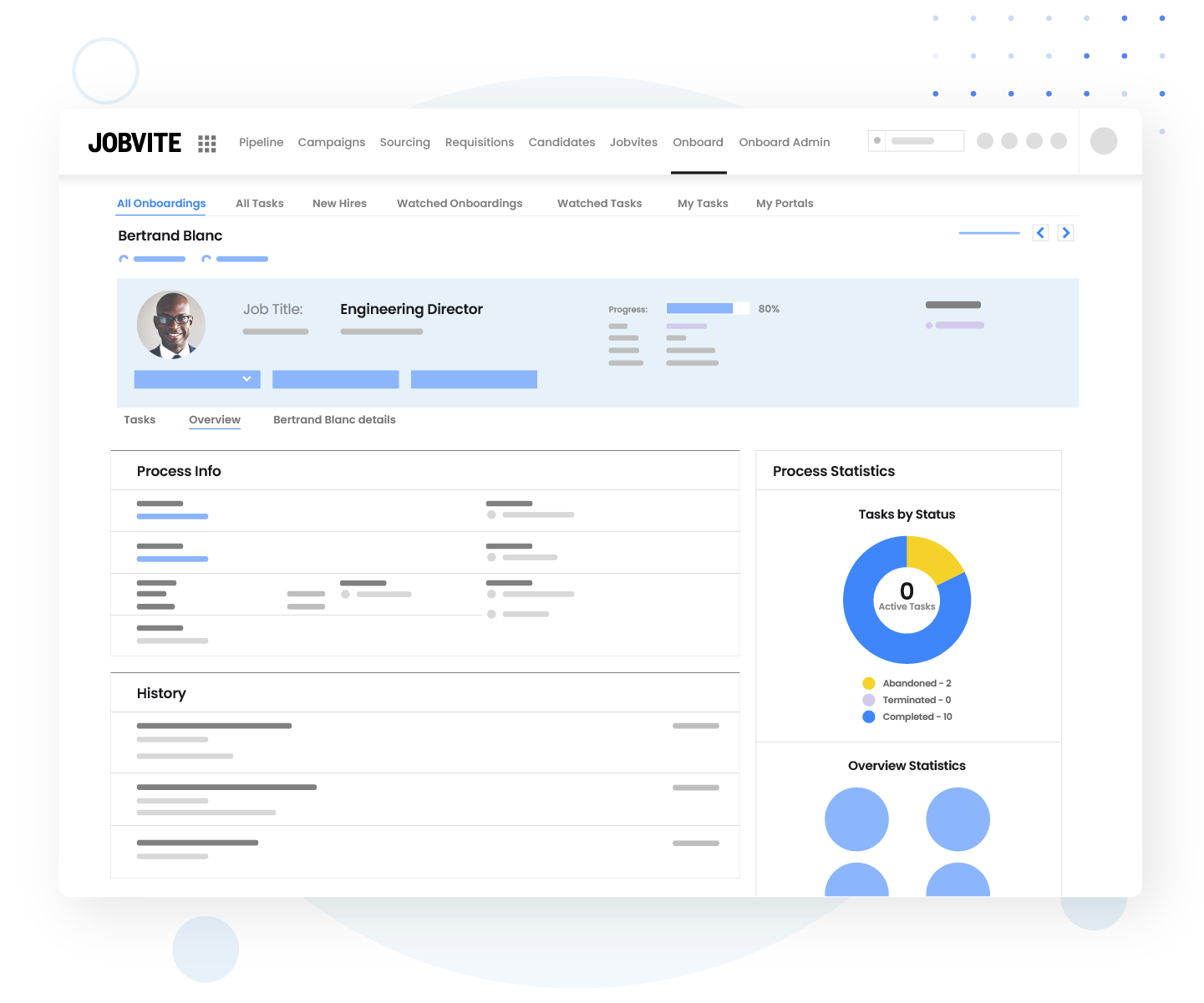
Like most medium-to-large recruitment platforms, Jobvite does not reveal its pricing. Its lack of free trials, discounts, and transparent contract practices tied it with iCIMS for the lowest pricing score in my roundup at 0.5. Some user reviews also indicate that its high price is a major turn-off, especially for long-term contract commitments.
However, because Jobvite modular, it allows businesses to start with the core ATS and add products based on their hiring needs.Plus, most vendors with non-transparent pricing are willing to negotiate, especially if you come prepared to these meetings with more affordable quotes from competitor solutions.
iCIMS Talent Cloud: Best for enterprises
Overall score
3.91/5
User reviews
4.12/5
Pricing
0.50/5
Support
3.83/5
Platform and interface
3.93/5
Reporting and analytics
4.63/5
Candidate relationship management
4.63/5
Applicant tracking features
4.54/5
Assessments and interviews
4.00/5
Pros
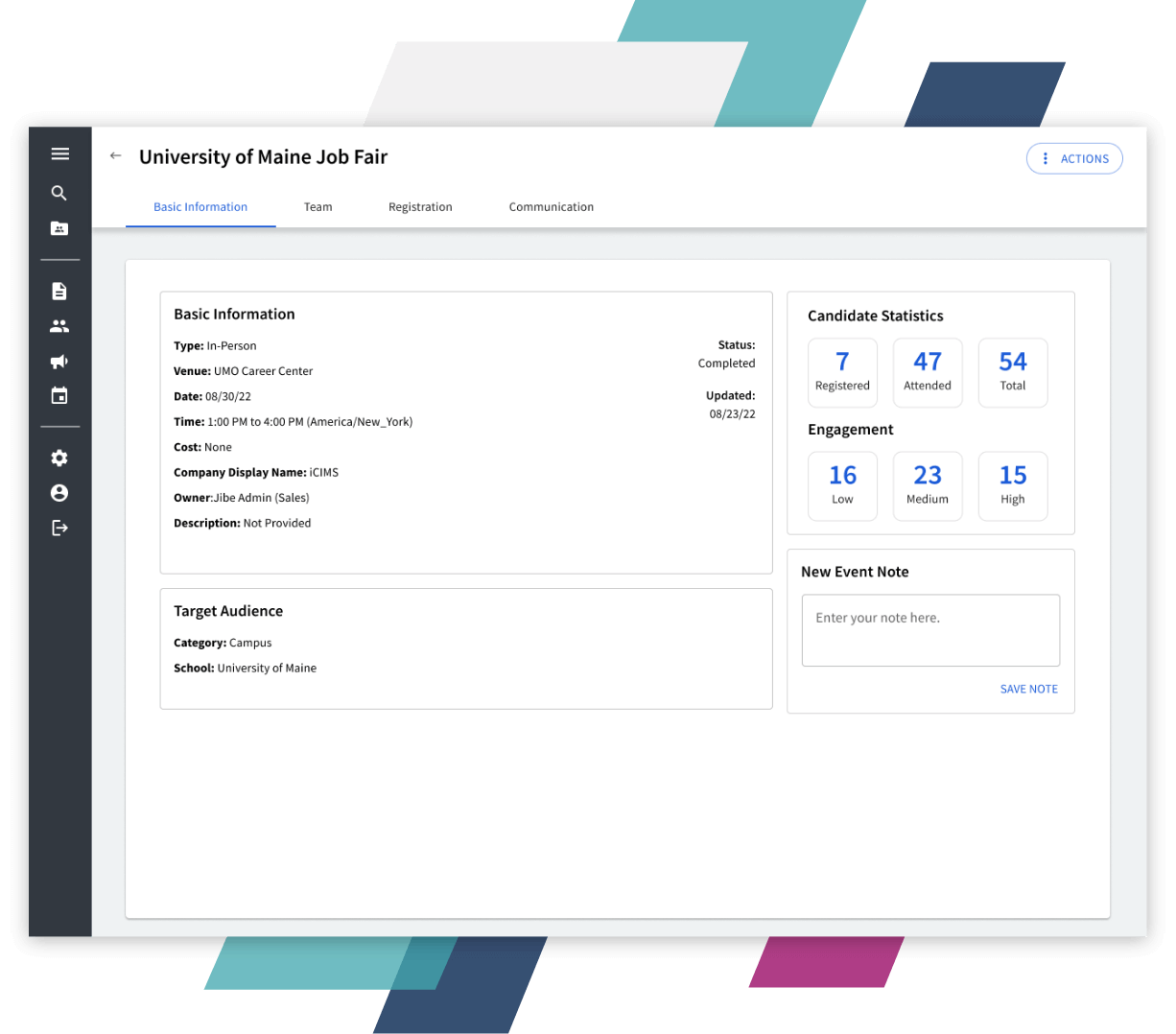
- Support for diversified candidate sourcing, including career fairs.
- Built-in SEO career page tips to aid in organic ranking in search engines.
- Tools to support candidate notice and data-consent requirements when using AI and other automated recruiting technology.
- Digital assistant for engaging with candidates on your career site and opportunities marketplace.
- Maturity model assessment to help develop personalized recruitment plans.
Cons
- Can become complex as some capabilities are delivered through separate iCIMS products and interfaces.
- Candidate Experience Management (CXM) platform is separate from its ATS platform and requires a data sync integration.
- Languages supported vary by product and add-ons.
Why I chose iCIMS Talent Cloud
If you need a full range of recruiting capabilities in one platform, then iCIMS Talent Cloud is your best bet. Talent Cloud is a particularly smart investment if you’re an enterprise since you can manage your recruitment strategies across multiple entities and locations to support macro-level company priorities.
iCIMS also offers the most versatility when it comes to candidate engagement opportunities and managing volume-hiring needs. Its candidate match scoring, for instance, increases hiring speed by designating top candidates for a role so you save time during candidate screening. It also allows you to source candidates from in-person and virtual job fairs to widen your sourcing networks.
Because of this, iCIMS received an overall score of 3.91 in my roundup, losing points only for its non-transparent pricing scheme and ease of use. It also uses multiple desktop and mobile applications to manage various recruitment features effectively, making it a better tool if you have a dedicated recruitment team to manage it.
iCIMS Talent Cloud is a unified talent acquisition platform with products for attracting, engaging, hiring, and advancing talent. Through its strategic partnership with enterprise-grade software vendors like ADP, Microsoft, and UKG, the platform aims to support hiring as an aspect of bigger-picture company objectives, such as headcount planning, succession planning, and expansion goals.
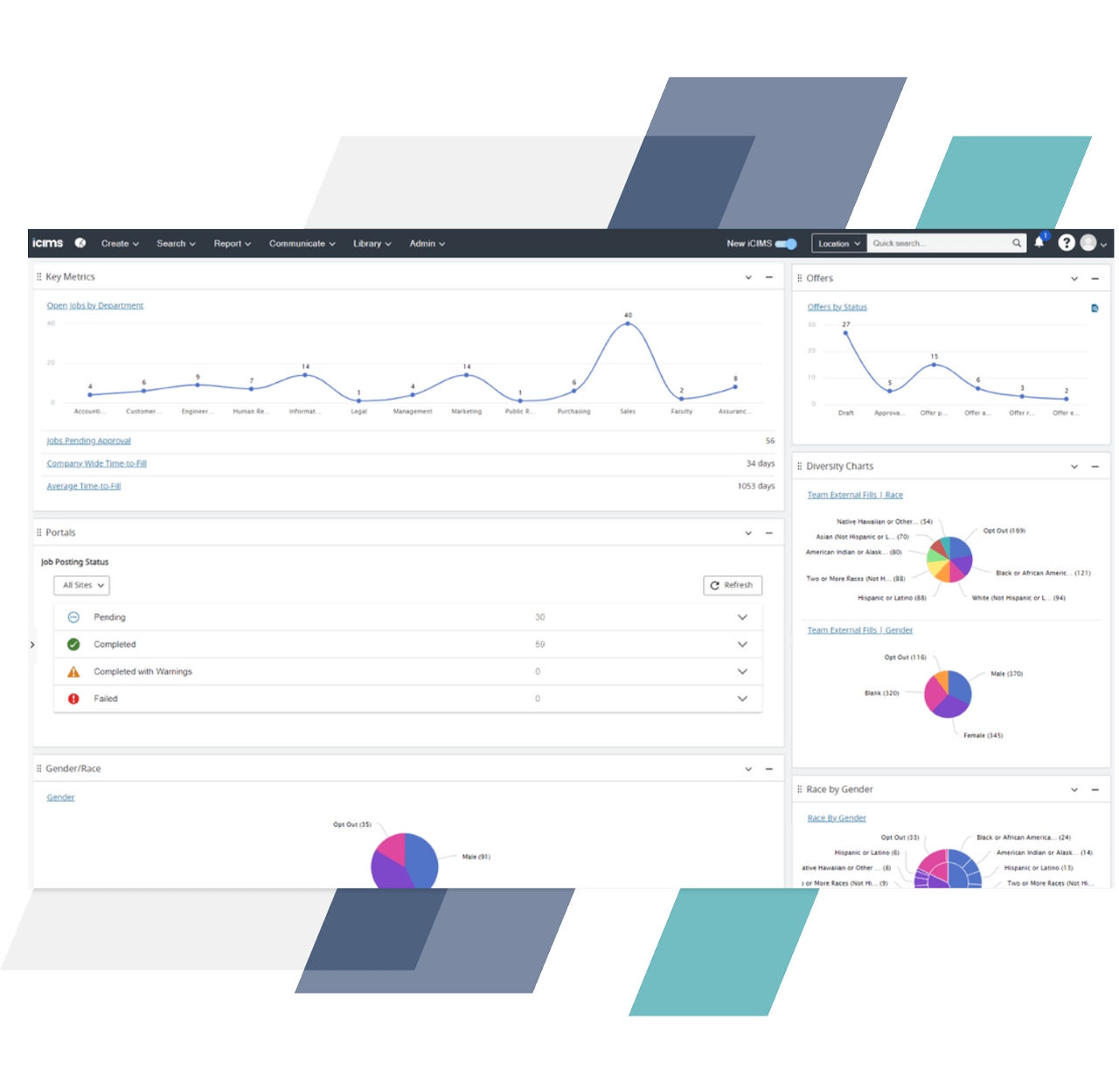
For example, features like advanced approval chains ensure newly posted positions align with your overall recruitment strategy, including departmental needs and total compensation budgets. iCIMS’ customizable talent pools can also have you sort candidates into specific pools based on location, department, job function, skillset, position level, or silver medalist status. This guarantees you always have lists of qualified talent to tap for key roles at a moment’s notice.
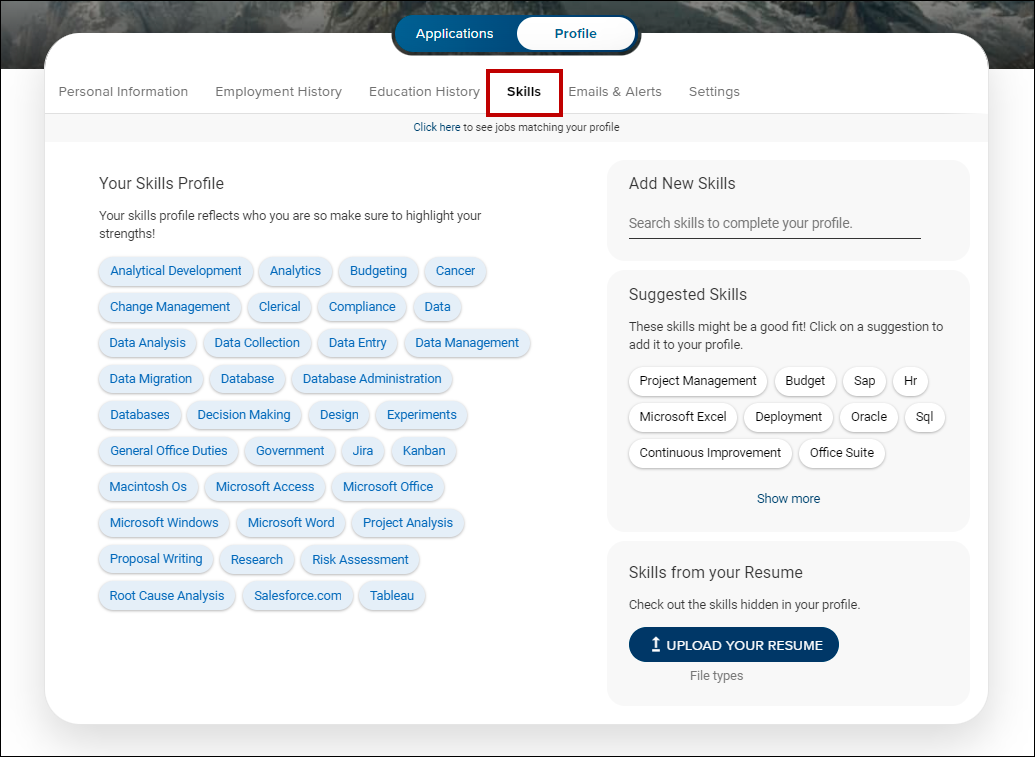
The iCIMS opportunity marketplace helps prepare and respond to employee exits by allowing you to market open roles to existing internal talent. Employees can even take an active role in their career mobility by inputting their skills to automatically receive best-match opportunity recommendations. Managers can even use the space to encourage direct reports to apply for special projects and roles as a part of employee retention and development efforts.
iCIMS Talent Coud is the most capable platform on my shortlist for handling complicated hiring needs, like internal, external, and global recruitment marketing management, but it is a legacy platform. The platform has an overall outdated appearance compared to more modern systems like Teamtailor. So, if you’re moving over from another system, don’t be surprised if it takes longer to configure iCIMS to your specifications.
You should also be prepared for some functions to occur in multiple systems. For example, its ATS and CRM are separate products, so you’ll need to be mindful of how your recruitment data flow between them.
iCIMS and generative AI
iCIMS has expanded its generative AI capabilities considerably through Coalesce AI, which now supports sourcing, candidate search and matching, content creation, interviewing, and candidate engagement.
iCIMS has expanded its generative AI capabilities considerably through Coalesce AI. As a result, generative and predictive AI capabilities now extend into ICIMS Hire, including candidate search and matching, ranking, job-description optimization, and AI-generated interview questions.
Automated marketing campaigns
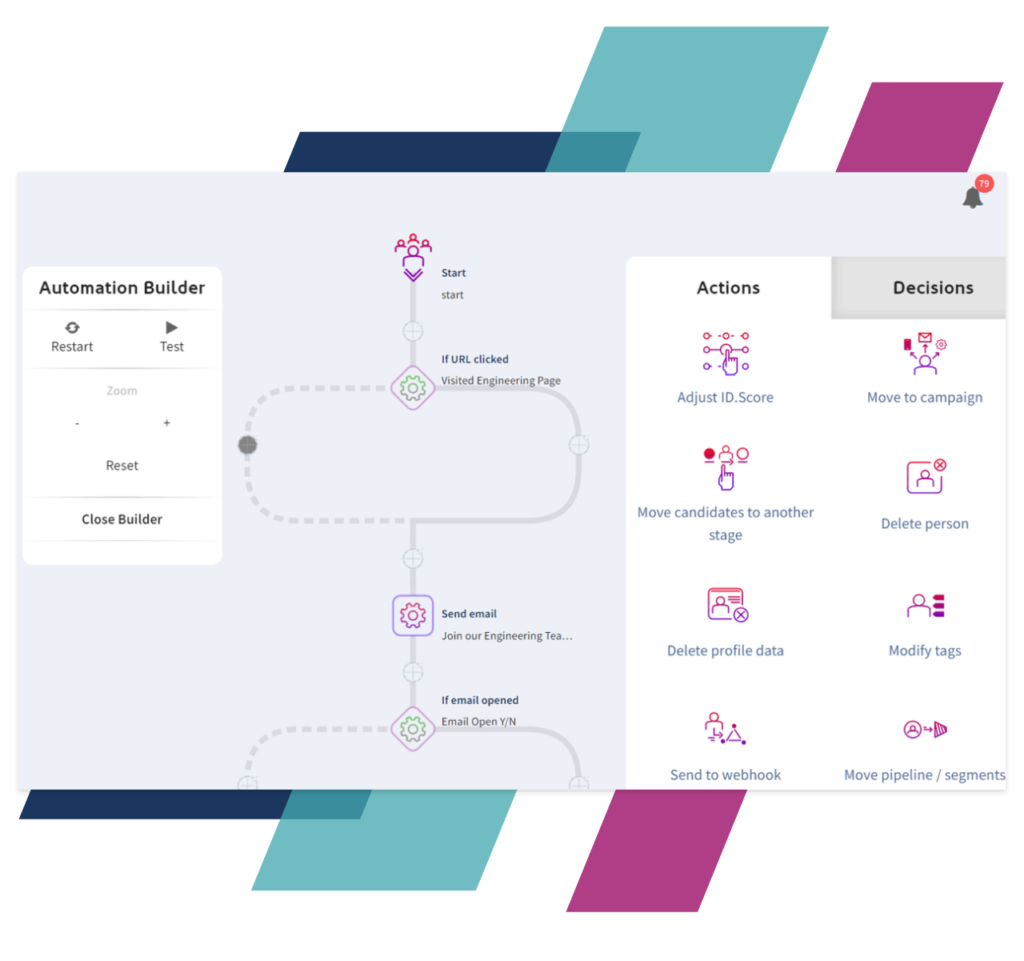
iCIMS Marketing Automation product allows you to tailor when, where, and how your recruitment campaigns engage with your curated lists of potential candidates. Its visual automation builder lets you choose specific triggers, like “if content clicked,” and actions, like “move to another stage,” to automatically engage with prospects.
Even cooler is its ability to start and stop candidate outreach based on candidate interactions with your content. The system eases or ramps up outreach after determining if leads are “cold” or “hot.” As a result, your recruiters can focus their time on engaging with the candidates with the highest interest and hire likelihood.
iCIMS’ Marketing Automation does not help you create content for advertising and distribution—you’ll need to already have the marketing materials and strategy before using the tool. While this makes it a valuable tool for managing recruitment marketing distribution, reach, and engagement at a high level, you’ll need the content management system (CMS) in iCIMS’ career site product to create the content.
Soft-skill assessments
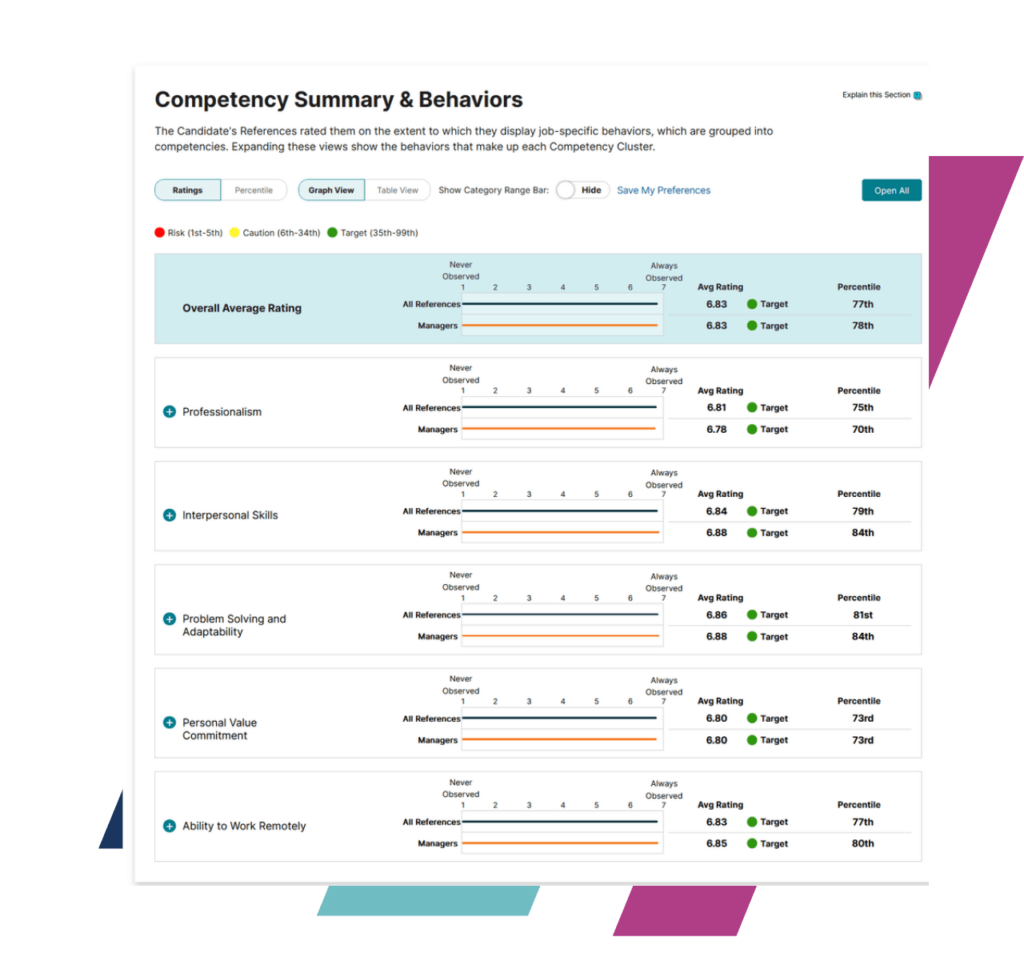
iCIMS offers SkillSurvey for digital reference checking and skills verification. Unlike others on my shortlist, SkillSurvey allows you to issue standard candidate reference checks and surveys as part of your hiring process.
These surveys allow you to collect information on a candidate’s soft skills, like problem-solving, from their reference’s perspective. You can then compare survey scores to targeted percentiles to understand the candidate’s strengths and areas for improvement before making the job offer.
The platform itself is unintuitive to navigate, so you’ll need thorough training on its capabilities before sending out your first reference check. This also makes it a better tool to screen candidates in specialized or highly compensated positions, where it is critical to understand their likelihood of success before hiring. Otherwise, I would use a third-party integration or Teamtailor to facilitate more basic reference checks, like checking dates of employment.
iCIMS does not disclose pricing, similar to Jobvite and Teamtailor. It’s also unclear exactly what modules are included in iCIMS’ Talent Cloud suite compared to optional add-ons. Like Jobvite, iCIMS offers standalone products to enhance recruitment efforts, such as automated candidate SMS texting, without requiring you to purchase the entire suite.
That said, iCIMS tied with Jobvite for the lowest pricing criteria score at 0.5. It lost points score since it doesn’t offer a free trial or any information regarding discounts and contract requirements. Most users note that iCIMS is one of the most expensive talent acquisition products. As an enterprise-grade product, you should also be prepared to budget for a one-time implementation fee that is usually a percentage of your annual subscription cost.
Recruitment modules in all-in-one HR software
Most comprehensive HR software includes hiring modules to facilitate your talent acquisition efforts. If you’re on the hunt for an all-in-one suite with decent hiring features, explore our various HR software guides below for options:
Honorable mentions
Because every company’s needs differ, not all of my choices may be right for you. Check out my runners-up below for more options to better suit your unique recruitment strategy.
LeverTRM: Human-led candidate screening and evaluation
Alternative for: Greenhouse
When to choose LeverTRM: LeverTRM is a good fit for recruiting teams that want to keep candidate screening structured without leaning too heavily on automated match scores. One feature I particularly like is Fast Résumé Review, which lets recruiters move through new applicants one by one in a focused review window. That makes it easier to evaluate candidates consistently while keeping a person directly involved in the screening decision.
LeverTRM also combines applicant tracking with candidate relationship management, so teams can manage active applicants while continuing to nurture prospects for future roles. Its customization and outreach tools make it especially useful for companies with an established recruiting process that want more control than a basic ATS provides.
Why it didn’t make the list: LeverTRM is relatively easy to use, but some gaps make it less complete than my top picks. It lacks native e-signature functionality, so teams may need an integration such as Adobe Acrobat Sign or DocuSign for offer management. Its homepage also offers limited customization, and its feature set is less compelling for teams prioritizing built-in generative AI, advanced reporting, or a broader end-to-end hiring experience.
Learn more about Lever and Greenhouse in Lever vs Greenhouse Comparison.

Overall score: 3.32/5.00
Zoho Recruit: Best budget-friendly recruitment software
Alternative for: Breezy HR and Workable
When to choose Zoho Recruit: Zoho Recruit is a strong option for businesses and recruiting agencies that want applicant tracking and candidate relationship management at a relatively low cost. It offers a free plan, while its Standard plan starts at $25 per recruiter per month. Features such as career sites, candidate portals, sourcing tools, and talent-pool management give smaller recruiting teams more functionality than a basic ATS without requiring an enterprise-level budget.
Zoho Recruit is especially worth considering if you already use other Zoho products or need software built to support both corporate hiring and staffing agency workflows. Its per-recruiter pricing can also be attractive for smaller teams that do not need unlimited user access.
Why it didn’t make the list: Zoho Recruit has a steeper learning curve than Breezy HR or Workable. Its interface can feel crowded, and configuring users, permissions, workflows, and other settings may take more time for teams unfamiliar with the Zoho ecosystem. Implementation is also relatively self-directed unless you pay for additional support, making it less appealing for businesses that want a simple, guided setup.

Overall score: 3.17/5.00
Greenhouse: Best for DEI-focused hiring
Alternative for: Jobvite
When to choose Greenhouse: Greenhouse is a strong choice for organizations that want to standardize how candidates are evaluated across recruiters, hiring managers, and departments. Its structured hiring approach supports consistent interview plans, scorecards, and evaluation criteria, helping teams make hiring decisions based on agreed-upon job requirements rather than relying heavily on individual interviewer judgment.
Greenhouse also includes features designed to support more inclusive hiring practices, including EEO and OFCCP reporting for applicable employers, candidate pronoun and name-pronunciation fields, and prompts that encourage interviewers to consider potential bias during the hiring process. These tools make it especially useful for organizations that want to build fairness and consistency directly into their recruiting workflows.
Why it didn’t make the list: Greenhouse is less compelling for companies that want robust recruitment marketing and employer-branding tools built into the platform. Its career-site capabilities are more limited than Teamtailor’s, so organizations that want to publish richer employer-brand content may need to connect Greenhouse with their existing website or additional tools. For teams that prioritize candidate engagement and employer branding alongside applicant tracking, Teamtailor may be the better fit.
overall score: 3.78/5.00
Find your new recruitment software
What are the benefits of recruitment software?
What are the types of recruitment software?
How much does recruitment software cost?
Recruitment software pricing varies based on factors such as:
- Employee or recruiter headcount
- Number of active job postings
- Features and recruiting modules included
- Hiring volume and complexity
- Contract length and support level
For small and midsize businesses, pricing commonly ranges from free plans and low-cost tools at around $25 per recruiter per month to more advanced platforms costing several hundred dollars per month. Enterprise recruiting suites typically use custom pricing and can cost thousands of dollars per month depending on company size, modules, implementation, and support.
When comparing costs, also check for add-on fees for features such as texting, assessments, onboarding, advanced reporting, integrations, and premium support.