

Key takeaways
- Agile frameworks provide an effective way to manage marketing campaigns by using iterative sprints that can be adjusted to mirror campaign timelines. Agile enables teams to set incremental goals while maintaining flexibility and adaptability throughout the process.
- The use of project management software streamlines the tracking of marketing campaigns because it centralizes tasks, timelines, and communication in one place.
- Some of the challenges faced by project managers in marketing include resource deprivation, approval delays, and changing priorities.
After spending years in marketing, I’ve seen firsthand that launching a successful campaign takes far more than just meeting deadlines. Without a structured approach, things can quickly spiral if you’re juggling creative assets, tight timelines, cross-functional teams, and client expectations all at the same time.
That’s where project management makes all the difference.
In this ultimate guide, you’ll learn how to bring clarity, control, and consistency to your campaigns by applying project management principles tailored specifically for marketing. I will walk you through everything you need to know to ensure improved efficiency in your projects and drive better results.
- What is project management in marketing?
- 5 phases of project management in marketing
- 3. Execution
- 4. Monitoring and controlling
- 5. Closing
- Roles of a project manager in marketing
- Benefits of project management for marketers
- Common challenges and fixes
- Project management tools and software for marketing teams
- Best practices for project managers in marketing
- FAQs
What is project management in marketing?
Project management in marketing is the process of applying project management principles to plan, organize, execute, and track marketing campaigns from start to finish. This approach helps you keep everything on schedule, within scope, and aligned with business goals. Projects can range from product launches and brand campaigns to website redesigns, video production, and live events.
While I use core project management processes in marketing, I’ve found it differs from traditional project management in goals, workflows, and success metrics. To clarify these distinctions, I created a table comparing the traditional waterfall approach with the project management method used for marketing campaigns.
Aspect | Waterfall project management | Project management approach for marketing campaigns |
|---|---|---|
| Approach | Follows a fixed and linear schedule | Quick turnarounds and ongoing iterations |
| Scope management | Changes require approvals and documentation | Deliverables change based on feedback, market research, trends, or KPIs |
| Team dynamics | Defined and technical | Creative and collaborative |
| Success metrics | On-time and on-budget delivery | Conversations, campaign reach, engagement rates |
| Workflow style | Sequential and milestone-driven | Fast-paced and iterative |
While the exact methodology may vary across marketing teams, the agile marketing framework is especially useful for fast-moving campaigns that need regular feedback and continuous improvement. In fact, a survey by the Project Management Institute (PMI) revealed 37% of senior marketing leaders saw a positive impact on shifting towards agile. That’s because agile empowers teams to stay flexible, quickly adapt to change, and deliver work in shorter, more focused cycles.
5 phases of project management in marketing
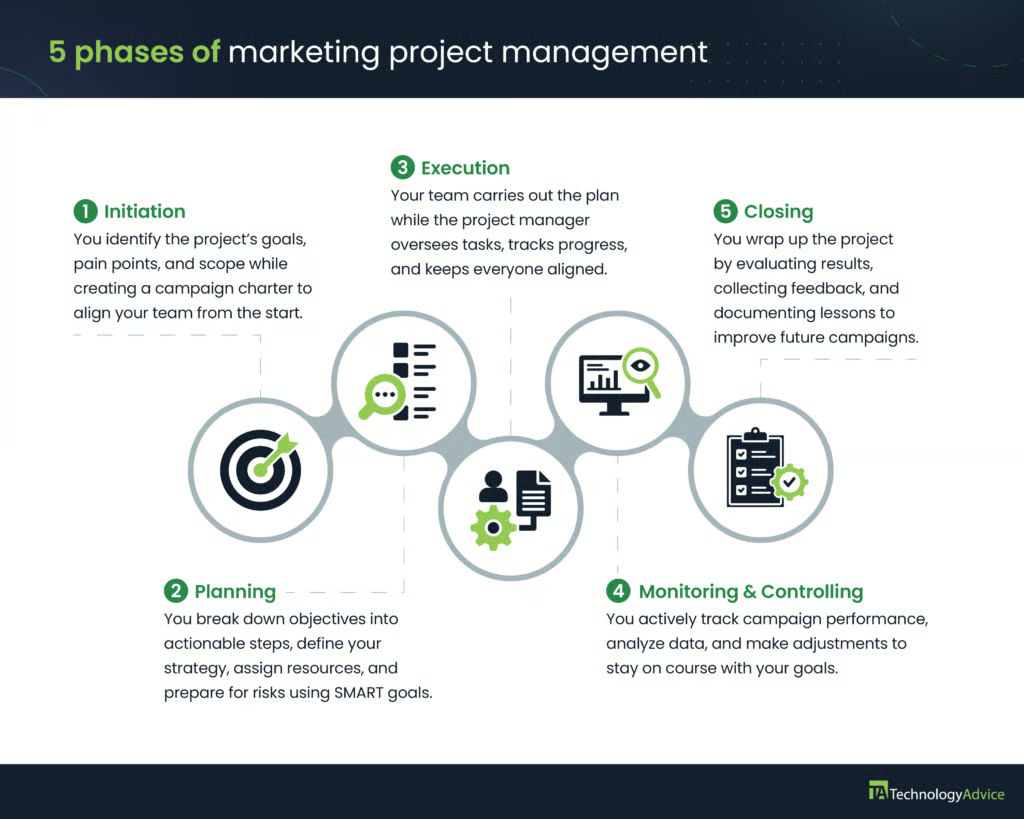
Successfully managing a marketing campaign requires a clear, straightforward process from start to finish. The five phases of project management for marketing can guide you through planning, executing, and optimizing your efforts to deliver better results every time.
1. Initiation
Every successful marketing project starts by identifying the core problem and defining what success looks like. During this phase, you’ll align with stakeholders on the campaign’s purpose, goals, budget, and timeline. A campaign charter is often created to formalize the scope and ensure everyone is on the same page from the beginning.
2. Planning
In the planning phase, you’ll break down the goals discussed during the initiation stage into smaller, actionable steps and deliverables. Using SMART goals (specific, measurable, achievable, relevant, and time-bound) helps you stay focused and organized throughout the project. This is also where you define the strategy, allocate resources, and anticipate project risks. Key planning activities include:
- Creating the project strategy, schedule, and approval process
- Allocating budget and assigning resources
- Writing the creative brief
- Defining the target audience
It’s also important to conduct a risk assessment at this stage to identify potential roadblocks and develop contingency plans that ensure your project stays on track. Remember, a clear plan reduces confusion down the line and prepares your team for a smoother execution phase.
3. Execution
Now it’s time to put your marketing plan into action. Your team starts working on the deliverables while the project manager makes sure the project is on schedule, as per the agreed timeline. This involves assigning new tasks, tracking progress, and reporting to stakeholders. Using project management software is especially helpful during this phase, giving you a clear view of timelines, workloads, and bottlenecks through Kanban boards or Gantt charts.
4. Monitoring and controlling
Once a campaign launches, you need to monitor performance and stay flexible. This means tracking KPIs, comparing results against your original goals, and making real-time adjustments when things stall. Project managers in marketing can benefit from analytics tools to track what’s working and make informed decisions. With the data insights they provide, you can create visual reports and pivot if needed to keep things aligned with your objectives.
5. Closing
The final phase focuses on reviewing the campaign’s outcomes and gathering key takeaways. Start by evaluating results against goals, collecting stakeholder feedback, and reviewing the final budget. It’s also good practice to document what can be improved so your next campaign drives stronger results. These insights are valuable assets to refine future marketing initiatives and avoid repeating the same mistakes.
Roles of a project manager in marketing
A project manager running a marketing campaign plays a key role in turning campaign ideas into organized, results-driven projects. If you’re preparing to take on this role, here are some of the key responsibilities you’ll be expected to handle:
- Managing the project scope: The project scope outlines what’s included and excluded, as well as the resources and deliverables required to complete the project. Defining the scope requires input from key stakeholders, mainly to ensure the project aligns with business goals and user expectations. You, as the project manager, are responsible for managing the scope throughout the project life cycle and keeping stakeholders updated on any changes.
- Allocating budget and resources: You manage the project’s budget and assign the right people, tools, and timeframe needed to meet goals before their set deadline.
- Coordinating teams: You ensure that cross-functional teams stay organized, informed, and moving in sync throughout the project lifecycle.
- Communicating with stakeholders: You keep stakeholders updated on progress, gather feedback, and manage expectations across all phases.
- Tracking project performance: You monitor timelines, budgets, and key metrics to make sure everything is on track and within scope.
- Conducting quality assurance: You review deliverables to ensure they meet project standards and campaign goals before final launch.
Benefits of project management for marketers
According to a report by Wellington, only 38% of organizations mostly or always complete projects on time. This is a challenge that’s especially common in marketing, where shifting priorities and tight deadlines are the norm. Project management plays a vital role in helping marketers run more efficient campaigns. Here are the key benefits it brings to your marketing workflow.
- Everyone’s on the same page: Project management tools and processes keep your entire marketing team aligned, so no one is working in a silo. With shared timelines, task tracking, and campaign visibility, collaboration becomes smoother and more efficient across departments.
- You know where the budget is going: A structured approach ensures better resource utilization and allows you to track spending in real time. This prevents budget overruns and ensures you’re investing in the areas that deliver the most impact.
- You spot problems before they escalate: Using project management techniques allows you to identify potential roadblocks and risks early. This gives you time to adjust plans and avoid delays or costly mistakes during execution.
- Everyone stays in the loop: With centralized communication and clear documentation, team members and stakeholders know exactly what’s happening at every stage. It reduces back-and-forth, minimizes misunderstandings, and speeds up approvals.
- You can measure what matters: Project management makes it easier to track campaign goals, performance metrics, and ROI. This gives you real data to improve future campaigns and show the value of your team’s work.
Common challenges and fixes
Managing marketing projects often comes with unique challenges, from shifting priorities to cross-team miscommunication. Knowing how to spot these issues early allows you to find the right solutions and apply them promptly before they derail your work.
Here are some common challenges project managers in marketing face.
Limited budget, time, or people to get the job done
When your resources are stretched thin, campaigns can stall or miss the mark entirely. It’s a common challenge for marketing teams juggling multiple projects on tight timelines.
How to fix it: Start by prioritizing tasks based on impact and aligning your workload with available resources. Use project management software to assign roles, track time, and prevent overloading your team.
Communication breakdowns
Lack of clarity between team members or poor stakeholder communication often leads to missed deadlines, duplicate work, or confusion. Without a shared system, updates and feedback can fall through the cracks.
How to fix it: Establish a communication plan with a hierarchy of communication based on priority. This way, team members know where to look first for critical updates and information. You may aso set up centralized communication channels using tools like Slack or utilize the built-in messaging feature in your project management platform. Regular check-ins and shared dashboards keep everyone informed and aligned.
Approval delays
Waiting on sign-offs can stall progress and disrupt your entire campaign timeline. These delays often stem from unclear processes or misaligned expectations.
How to fix it: Create a structured approval workflow with clear deadlines and designated reviewers. Automate reminders and use project tools that allow real-time feedback to speed things up.
Constantly changing priorities
Frequent shifts in direction can derail progress and leave teams unclear on what to focus on. It also creates a culture of reactive work instead of strategic execution.
How to fix it: Align priorities with your overall marketing goals and make sure to communicate them to the team. Use a flexible project framework like Agile to adapt quickly without losing momentum.
Project management tools and software for marketing teams
A survey by CoSchedule found that marketers who use project management software are more than four times more likely to report success. This highlights just how important it is to have dedicated project management tools tailored to the unique demands of marketing campaigns.
Here are some common features found in project management software used in managing marketing campaigns that can help streamline your processes.
Flexible project views
Flexible project views let you visualize your campaign from different angles so you can easily spot bottlenecks and monitor progress. You can shift perspectives to see upcoming deadlines and determine which tasks need attention. Multiple view options also support different work styles, giving teams the flexibility to organize tasks in the way that makes the most sense to them.
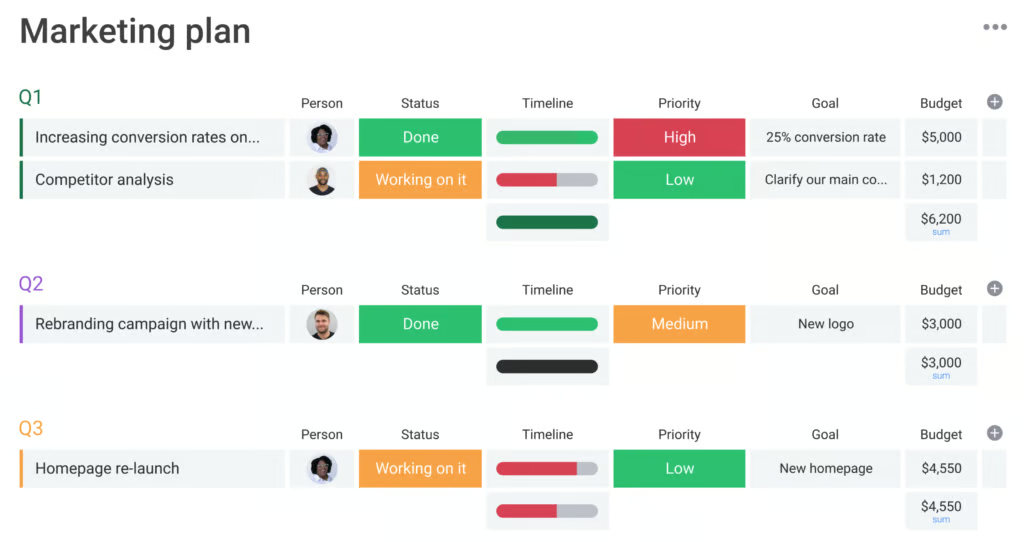
Project management platforms like monday.com offer customizable project views, including timeline, Kanban, and calendar layouts. This gives you a clearer picture of your campaign’s status and lets you adapt quickly as priorities shift.
Real-time chat
When conversations happen in context, everyone stays on the same page. Real-time chat keeps your team connected and decisions moving forward by eliminating long email threads and reducing delays, which helps maintain momentum across your projects.
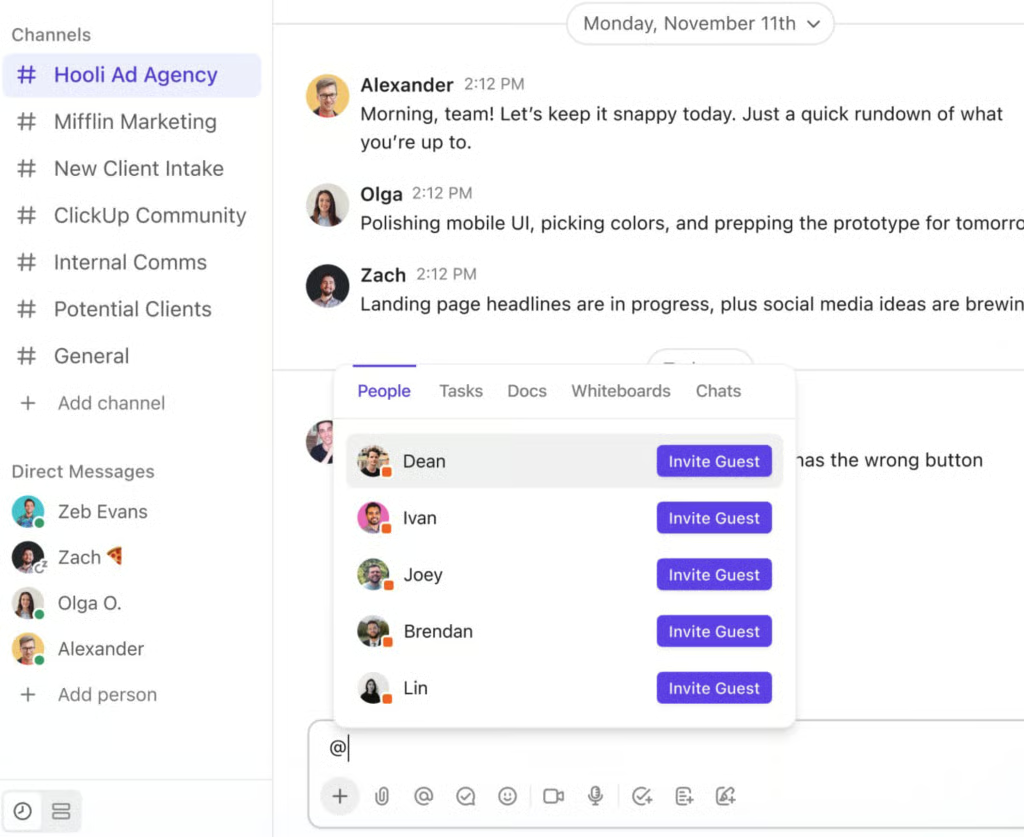
ClickUp brings project management and real-time messaging together in one platform. You can turn any message into a task, link conversations to related files, and even invite external guests so nothing important gets overlooked.
File approvals
File approvals streamline the review process by allowing you to manage and organize client feedback in one place. This reduces confusion and maintains version control across creative assets.
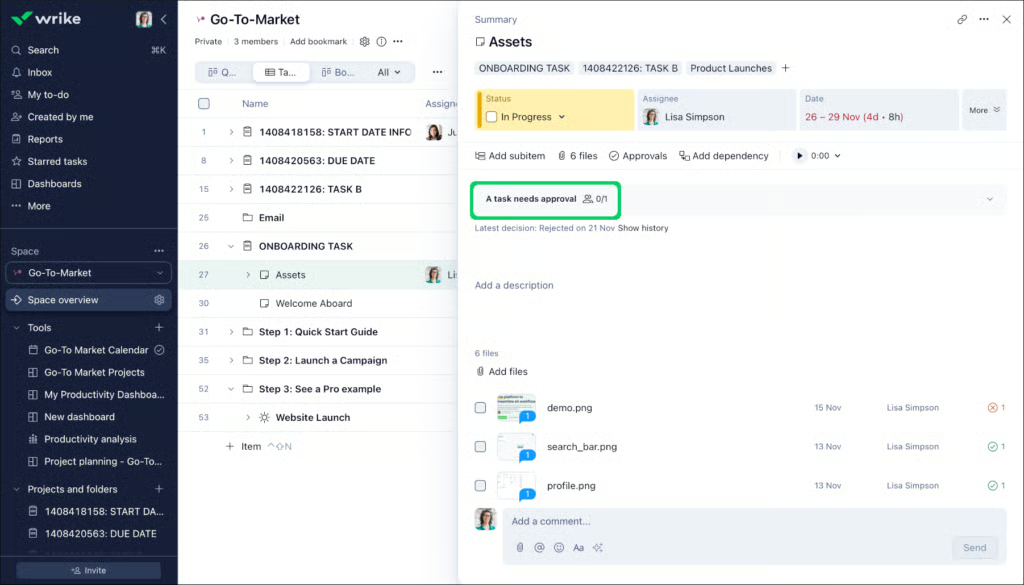
Wrike includes a built-in approval feature that tracks files, assigns reviewers, and flags pending approvals to keep project execution moving smoothly. It also gives you full visibility into approval decisions, helping your team stay accountable and on track.
Request forms
Request forms streamline intake by standardizing how project details, creative briefs, or feedback are collected. This reduces back-and-forth communication and ensures your team receives the information they need to get started right away.
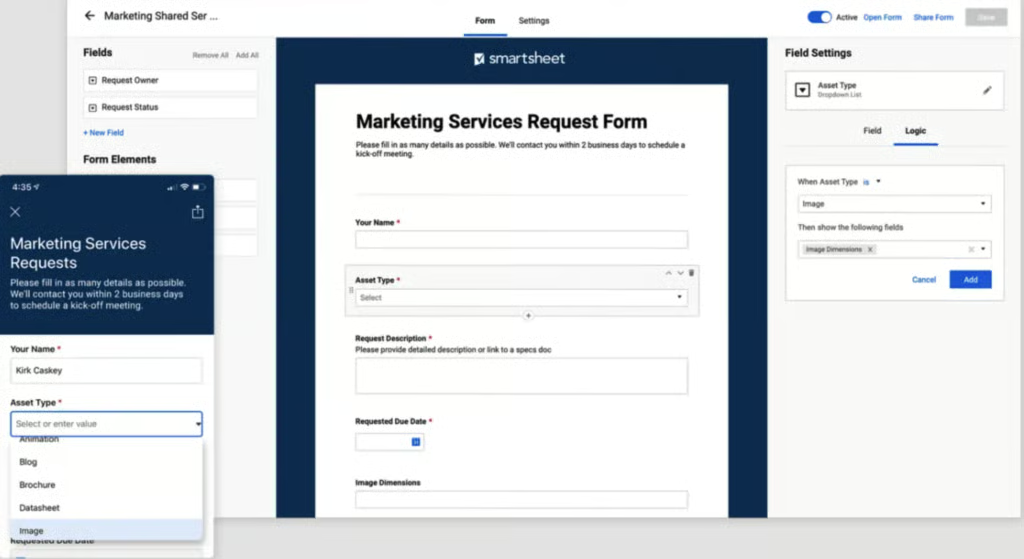
Smartsheet offers customizable forms that let you collect consistent, error-free data directly from stakeholders. These forms are perfect for handling request submissions, event signups, and customer feedback in one place for quick action.
Best practices for project managers in marketing
Managing marketing campaigns requires more than just knowing the project management basics. It takes clear processes to keep campaigns on track and deliver results. Here are the best practices that can improve project management for marketing teams.
- Define objectives and KPIs: Start every marketing project with well-defined goals and measurable metrics. This gives your team direction and allows for easy tracking of project progress and performance throughout the campaign.
- Assign clear roles and responsibilities: Make sure everyone knows their exact role from day one. Clear ownership prevents confusion and duplicated work.
- Create approval workflows: Approval processes keep creative reviews and sign-offs moving without delays. This helps your team stay on schedule and ensures nothing gets launched without the right eyes on it.
- Use project management software: A dedicated platform lets you keep tasks, timelines, and team communication organized in one place. It gives you better visibility across your campaign and often includes AI and automation features to simplify task assignments and deadline management.
- Maintain open communication: Giving regular updates keeps everyone aligned and informed. It reduces misunderstandings and keeps your team moving quickly when priorities shift.
- Properly allocate resources: Distribute your team’s time, budget, and tools based on project needs and capacity. This avoids burnout, overspending, and gaps in execution.
- Conduct post-project reviews: After the campaign ends, take time to evaluate what worked and what didn’t. These insights can help refine your processes and prevent your team from repeating the same mistakes in future projects.
FAQs
What’s an example of project management in marketing?
Launching a new product on digital channels like email, social media, and paid ads is a common example of a marketing project. It involves managing assets, timelines, and stakeholder feedback through a structured plan.
What is the role of a project manager in marketing?
A project manager in marketing oversees campaign planning, task assignments, timelines, and team coordination to ensure projects stay on track and aligned with the objectives. They act as the bridge between strategy and execution by organizing workflows and addressing roadblocks.
How to create a marketing project plan?
Creating a marketing project plan begins with outlining your campaign’s goals, scope, target audience, and key deliverables. Once the work is mapped out, break it into phases with clear roles and deadlines. To keep everything on track, use project management software to ensure the plan is executed smoothly from start to finish.