Key takeaways
- Severance pay is any compensation or benefits employers provide employees following termination.
- Several factors influence severance pay calculation, including length of employment, the employee’s role, termination reason, and your established policies.
- Offering a severance package builds employee loyalty, allows employees exit gracefully, and reduces the negative impact on employees during layoffs.
- Oct. 22, 2025: Hanna Sillo refreshed this article to improve readability, update key sections, add new examples for clarity, and enhance headers for easier navigation.
- May 13, 2024: Irene Casucian refined the page’s layout to improve the visual flow of information. She also added more insights on calculating severance pay to provide the best answer to our readers. She also provided examples of software solutions that can help draft severance agreements.
Whether you’re planning layoffs or documenting exit policies, understanding severance pay helps you protect your business and your people. This guide explains how severance packages work, what to include, and how to stay compliant.
What is severance pay?
Severance pay is compensation or other benefits employers provide employees following termination. It can help keep an employee’s relationship amicable while offering them a way to pay for expenses as they look for a new job.
In exchange for severance pay, employers often require employees to sign a general release of claims to deter employees from filing lawsuits against the company. As such, severance pay is often one aspect of a larger severance package employers negotiate with their employees upon their departure.
Typically, an employer will offer severance pay if one of the following scenarios occurs:
- Employee layoff
- Reduction in force (RIF)
- Mutual separation agreement between employer and employee
- Special circumstances, such as cutting ties with low performers
Learn how to help low performers course correct and succeed in their roles with a performance improvement plan.
Elements of a severance package
At a minimum, severance pay usually includes salary continuation for a set number of weeks, either paid all at once or over a set period. You can also include benefits continuation, unemployment insurance, compensation for unused paid time off, retirement benefits, outplacement services, and other miscellaneous benefits in their severance package.
How is severance pay calculated?
Several variables affect the calculation of severance pay like tenure, seniority, existing company policies, and reason for termination.
Learn best practices for managing tough transitions: How to Fire an Employee (and Stay Out of Trouble)
What are the best practices for severance pay?
If you decide to implement a severance agreement policy, ensure it’s in writing, legally compliant, provides employees with enough time to review, and is applied consistently and transparently across all cases.
1. Put your severance pay policy in writing
Put every severance agreement in writing as it protects both you and the employee. A written agreement serves as proof that both sides understand and accept the terms, reducing the risk of disputes later.
It’s also smart to include a general severance policy in your employee handbook. This sets clear expectations for when employees qualify for severance and ensures your company applies the policy fairly and consistently.
To craft an effective severance pay agreement, you should consider the following questions:
- Why is the employee receiving a severance package?
- What is included in the severance package?
- How is/are the severance payment(s) calculated?
- If benefits will continue, how will the payments be handled?
- How are unemployment insurance benefits handled?
- How will the employee receive their severance pay?
- When will the employee receive their severance payment(s)?
- Will the employee be required to sign a release of claims before receiving pay?
- How long does the employee have to review the severance agreement?
- Is there an appeal process? If so, what are the steps?
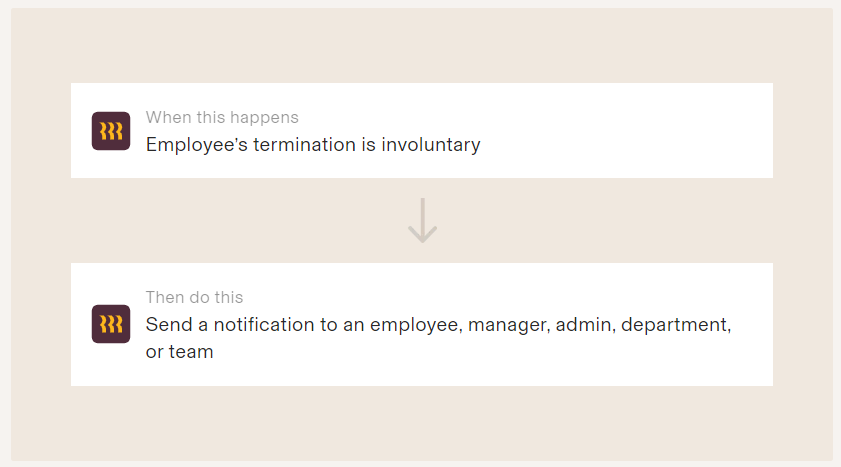
After collecting the answers to the above, employers should prepare a clearly defined severance agreement with them. You can use Rippling’s customizable workflow recipe to automatically notify payroll whenever an employee is laid off involuntarily. This will alert them to prepare and calculate the severance package.
Also, Bambee can help you draft a legally compliant severance agreement that considers both the employer’s and employee’s best interests by providing access to HR experts who understand the nuances of employment law. Their expertise can ensure that all terms in the severance agreement are both fair and equitable.
2. Include relevant waivers and clauses
If you want the employees to sign a waiver of discrimination claims in the severance agreement, you must make sure the claims are legal and enforceable. In particular, employers must comply with the requirements of the Age Discrimination in Employment Act (ADEA) and the Older Workers Benefit Protection Act (OWBPA).
Under the ADEA and the OWBPA, workers 40 years of age or older must have at least 21 days or 45 days to accept the severance agreement, depending on the termination reason. Even if the worker is younger than 40, employers should provide adequate time for the employee to review the severance agreement before making a decision.
Additionally, a revocation clause — a section indicating how long an employee has to revoke a severance agreement signature — is another measure employers can take to strengthen their severance agreements. For instance, it shows employers provided plenty of time for employees to decide on the terms of their severance agreement, making it harder for employees to dispute the agreement later.
3. Consult legal experts
Severance agreements can be difficult to draft, and even the best HR teams should consider getting theirs checked by legal experts before presenting them to their employees. You could save time and money from future lawsuits by investing in a professional employer organization (PEO) to review severance agreements beforehand.
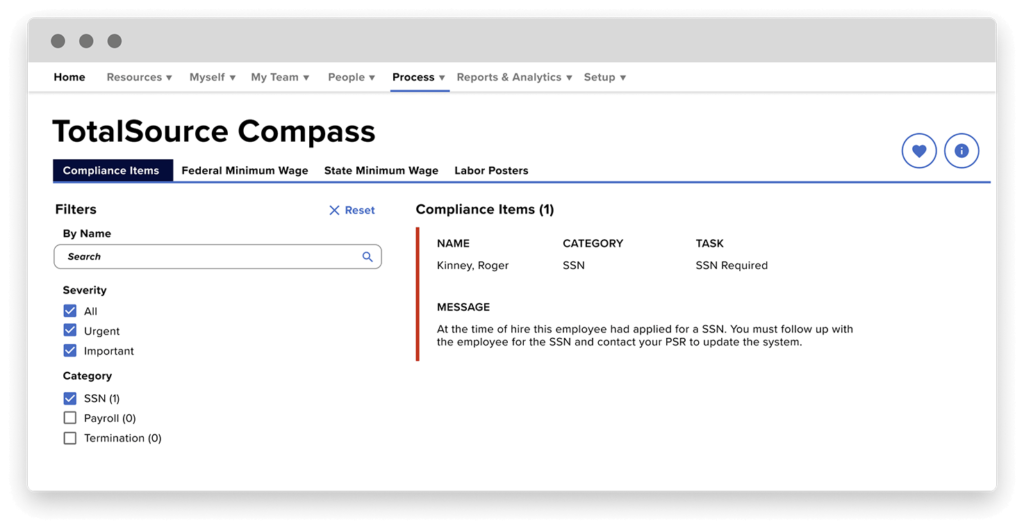
Small businesses with no dedicated HR department, especially, should have an employment law attorney construct the severance agreement on their behalf so they can dedicate their time to matters of higher priority while remaining compliant. For example, ADP TotalSource is a PEO that allows small businesses to outsource specific HR needs, which includes handling severance agreements. ADP TotalSource can act as the employer of record and oversee several aspects of employee terminations, including severance agreements.
4. Present the agreement to the employee
Severance agreement in hand, it’s time to present it to the employee. You should not be surprised if the employee attempts to negotiate the terms of the severance agreement.
Depending on the circumstances, the employer may not want to negotiate with the employee. However, you should update any changes to the agreement and then provide the allotted time for employees to accept or decline the offer. Employees should then sign the agreement whether they disagree or agree with the terms for the employer’s records.
5. Follow through on severance obligations
If the employee accepts the severance pay agreement, you should ensure they uphold their end of the bargain.
- Your payroll department should know how and when the separated employee will receive their severance pay.
- Benefits administrators should send out any necessary COBRA paperwork and continue paying the employer’s portion of premium payments if applicable.
- Managers should avoid protesting unemployment claims for the employee after they’ve received their severance pay.
- HR teams should also double-check that the severance agreement is administered appropriately by all departments on an ongoing basis.
By providing a smooth severance pay experience, employers demonstrate a willingness to support their employees’ well-being, even after they are gone.
6. Enforce severance policies consistently
Consistency is important. It shows employees that you are dedicated to treating everyone in the same situation fairly and equitably. Even offering severance pay to an employee under special circumstances, outside their usual cadence, could set a precedent. To avoid this and remain consistent, employers should keep track of what was included in their severance packages and who received them for future reference.
FAQs
Featured partnersFeatured partners