The best channel marketing software does more than give partners a folder of campaign assets and hope they use them. It helps brands create compliant content, execute campaigns, manage marketing funds, and track which partners and tactics are actually driving results.
After researching leading platforms, I found Ansira to be the best overall channel marketing software for enterprises with complex dealer, franchise, distributor, or brand-to-local networks. It combines content creation, local marketing, incentives, customer engagement, and managed services in one modular platform.
| Ansira | Enterprise brand-to-local marketing | Modular custom quote |
| Impartner | Partner marketing and PRM | Tiered custom quote |
| Mindmatrix | Hands-on partner marketing execution | Custom platform and services quote |
| Unifyr | Incentive and pipeline attribution | Edition-based custom quote |
| Structured | Global campaign localization | Custom enterprise quote |
| 360insights | Global incentive programs | Custom quote by suite and program |
Top channel marketing software at a glance
| Native co-branded content | Local listings management | Native MDF management | My rating out of 5 | |
| Ansira | ✓ | ✓ | ✓ | 4.74 |
| Impartner | ✓ | X | ✓ | 4.52 |
| Mindmatrix | ✓ | X | ✓ | 4.28 |
| Unifyr | ✓ | X | ✓ | 4.24 |
| Structured | ✓ | X | X | 3.66 |
| 360insights | X | X | ✓ | 3.58 |
How do the best channel marketing platforms compare?

What makes Ansira the best for enterprise brand-to-local marketing?
Overall reviewer score:
4.74/5
Pricing and accessibility:
3.13/5
Channel campaign execution:
4.84/5
Content and brand management:
4.90/5
Funds and incentives:
4.96/5
Analytics and integrations:
4.60/5
Partner experience and scalability:
4.74/5
Expert score:
4.81/5
Pros
- Covers content, local marketing, incentives, and customer engagement
- Combines AI-assisted workflows, compliance controls, and closed-loop analytics
- Supports complex dealer, franchise, distributor, reseller, and location networks
Cons
- Pricing is not publicly available
- May be excessive for small or straightforward partner programs
- Modular software and service options can make implementation and total costs harder to compare
Why I chose Ansira
Ansira is the overall best channel marketing software because it covers more of the brand-to-local marketing workflow than the other platforms I evaluated. Its four modules span compliant content creation, local demand generation, partner funding and incentives, and personalized customer outreach.
What separated Ansira was its connected platform-and-services model. Enterprises currently stitching together separate systems for content, co-op programs, local advertising, email, direct mail, and reporting can consolidate more of that work with one provider. Ansira also uses AI-assisted workflows and closed-loop analytics to help teams automate tasks and connect partner activity with performance.
For technology companies, the strongest fit is an enterprise B2B brand with a multi-tier reseller or partner ecosystem and complex MDF, co-op, incentive, or channel marketing programs. Ansira can give these organizations greater control over funding, compliance, partner participation, and performance without expecting every partner to become a marketing expert.
The tradeoff is scale and complexity. Ansira is unlikely to be the most practical choice for a startup recruiting its first 20 referral partners. It is designed for larger networks of dealers, franchisees, distributors, resellers, agents, corporate locations, and frontline teams operating across multiple markets.
Headquartered in St. Louis, Ansira is a modular brand-to-local marketing platform for enterprises that sell through distributed partner and location networks. Its technology combines AI-assisted tools, automation, and closed-loop analytics across content creation, local marketing, fund and incentive management, and personalized customer engagement.
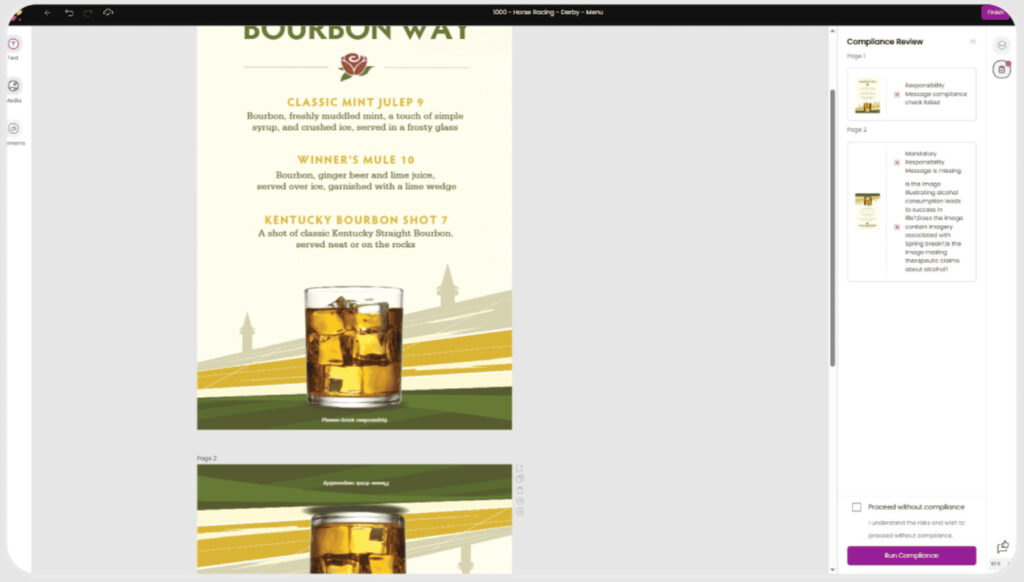
- Ansira Create: Provides intelligent templates, digital asset management, in-platform design tools, compliance controls, approval workflows, and local microsites. Its AI tools can generate brand-aligned content, while protected elements keep partner-created materials within corporate guidelines.
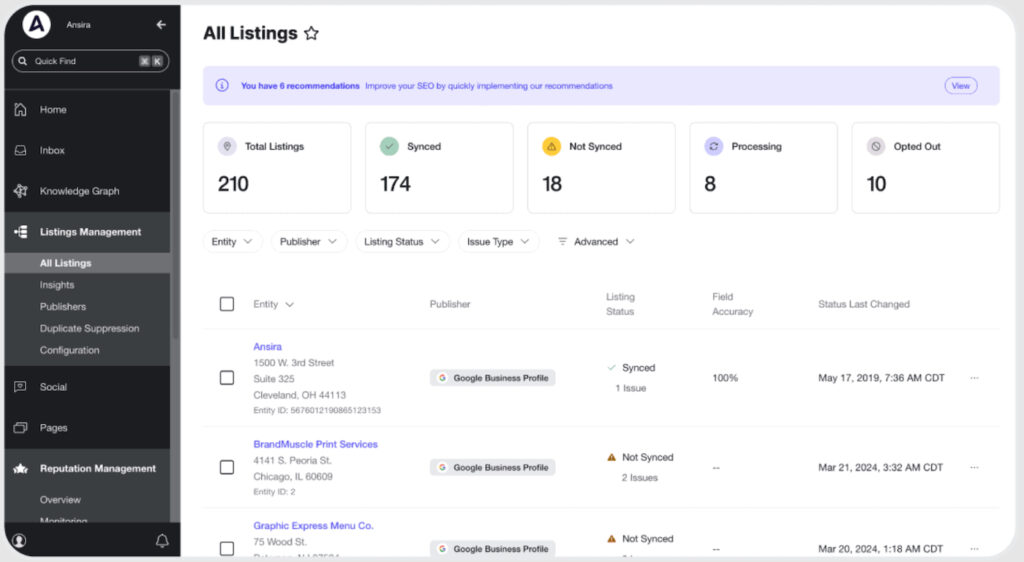
- Ansira Attract: Supports media and campaign management, social engagement, organic search, local business listings, AI search visibility, dealer locators, and reputation management.
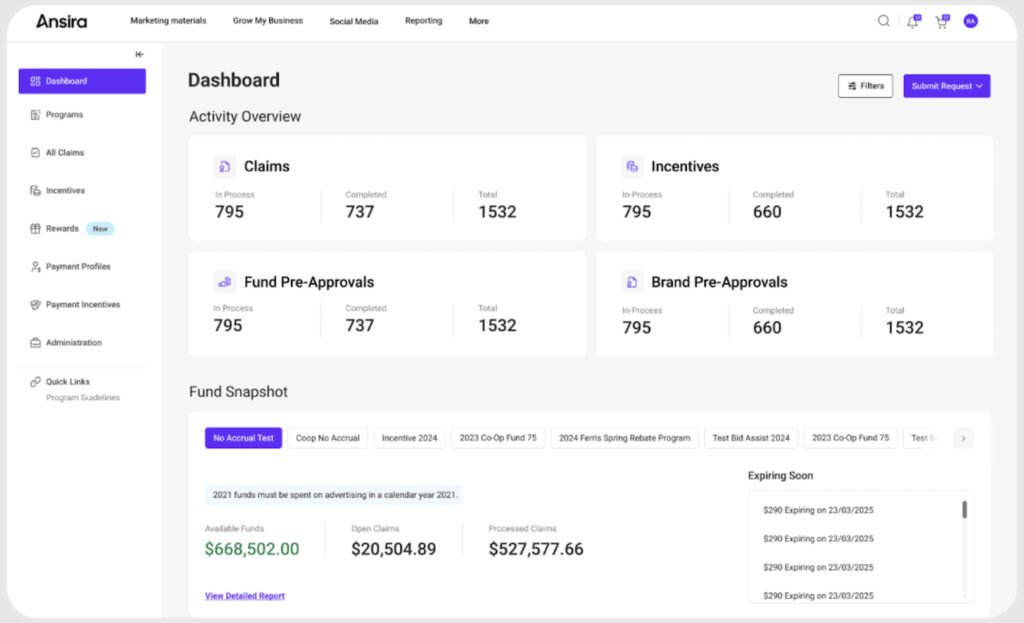
- Ansira Incent: Centralizes MDF, co-op funds, SPIFFs, rebates, claims, rewards, and global payments. Configurable rules help determine eligible partners and activities, while dashboards provide real-time visibility into fund availability, utilization, and performance. AI-assisted claim submission and auditing can reduce manual work while retaining human oversight.
- Ansira Connect: Supports email and direct mail campaigns, contact segmentation, data acquisition and activation, campaign tracking, and personalized local outreach.
- AnsiraX and professional services: Adds program strategy and management, media planning and buying, martech consulting, custom development and integrations, user experience design, creative services, printing, and fulfillment.
Ansira uses customized pricing. Costs may vary based on:
- Selected modules
- Number and type of partners
- Countries and languages
- Campaign and transaction volume
- Media and printing requirements
- Incentive payments
- Integrations and custom development
- Implementation
- Managed services
Contact Ansira to request a customized proposal. Ask the sales team to separate software, implementation, media, fulfillment, payment processing, and ongoing service costs so you can compare its quote fairly with software-only competitors.

What makes Impartner the best for partner marketing and PRM?
Overall reviewer score:
4.52/5
Pricing and accessibility:
3.05/5
Channel campaign execution:
4.55/5
Content and brand management:
4.51/5
Funds and incentives:
4.38/5
Analytics and integrations:
4.85/5
Partner experience and scalability:
4.69/5
Expert score:
4.75/5
Pros
- Combines partner marketing automation with comprehensive PRM capabilities
- Supports MDF, onboarding, training, deal registration, compliance, and business planning
- Offers co-branded email, social, promotion, and paid media campaigns
Cons
- Pricing is only available by request
- Some capabilities, including paid media and broader PRM tools, may require separate applications
- Its wide scope can require more configuration and ongoing administration
Why I chose Impartner
I ranked Impartner second for its ability to connect channel marketing with the broader partner lifecycle. It is a strong choice for companies that want to manage partner relationships, enablement, campaigns, and revenue within one connected ecosystem.
Campaign performance gains more context when teams can evaluate it alongside onboarding, training, certification, tiering, MDF, leads, deals, compliance, and business plans. Channel leaders can see not only which partners launch campaigns, but also whether those partners are trained, engaged, and contributing to pipeline.
Impartner’s marketing tools cover co-branded assets, email and social syndication, promotion syndication, paid media, campaign reporting, and local lead generation. Its PRM applications extend that scope to partner recruitment, journey automation, training, business planning, deal registration, compliance management, and analytics.
That breadth will be unnecessary for companies that only need basic campaign syndication. Impartner is better suited to organizations that want the same platform ecosystem to support and measure their wider partner program.
Impartner provides partner relationship management and partner marketing automation software for companies that sell through resellers, distributors, dealers, referral partners, service providers, and other indirect channels.
Its applications support the partner lifecycle from recruitment and onboarding through enablement, co-marketing, deal registration, performance management, and analytics. Companies can select individual applications or combine Impartner’s PRM and TCMA capabilities into a broader partner-management environment.
- Through-channel marketing automation: Provides co-branded collateral, email campaigns, social syndication, promotion syndication, digital asset management, and campaign landing pages. Leads captured through syndicated content can be routed to the appropriate partner.
- Paid Media for Partners: Lets channel teams create, manage, and track local paid media campaigns on partners’ behalf across platforms such as Google and Facebook. Impartner lists this capability as separately available.
- MDF management: Supports configurable MDF programs, partner requests, approvals, compliance processes, and performance reporting.
- Partner lifecycle management: Automates partner recruitment, onboarding, journeys, lead distribution, deal registration, tiering, and program compliance.
- Training and business planning: Provides configurable training and certification paths alongside collaborative partner business plans. Teams can track goals for revenue, pipeline, MDF, lead conversion, training, and portal engagement.
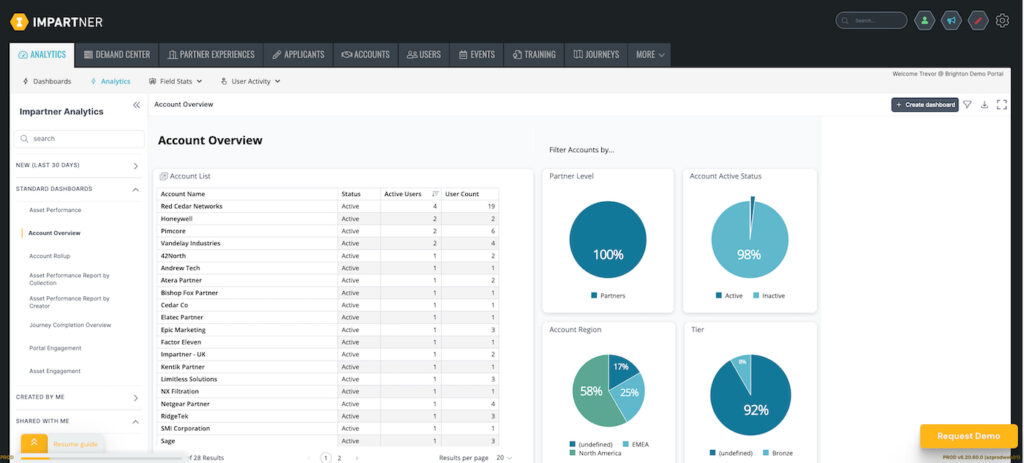
- Partner analytics: Includes prebuilt dashboards for partner performance, portal engagement, assets, accounts, and pipeline. Analytics Studio adds customizable, no-code dashboards and reports.
- CRM and business integrations: Connects with systems such as Salesforce, Microsoft Dynamics 365, HubSpot, Pipedrive, and Zoho, depending on the selected package.
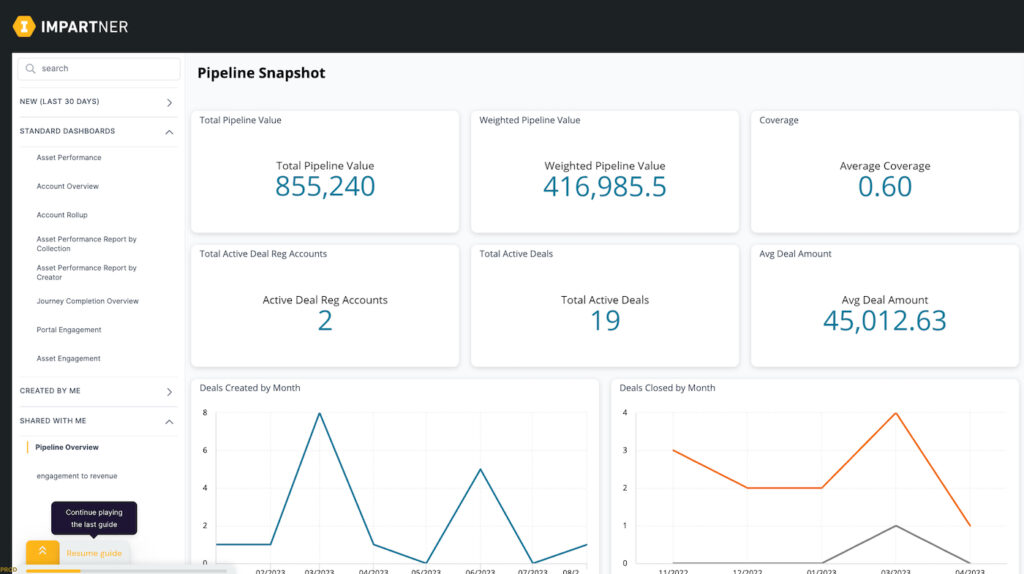
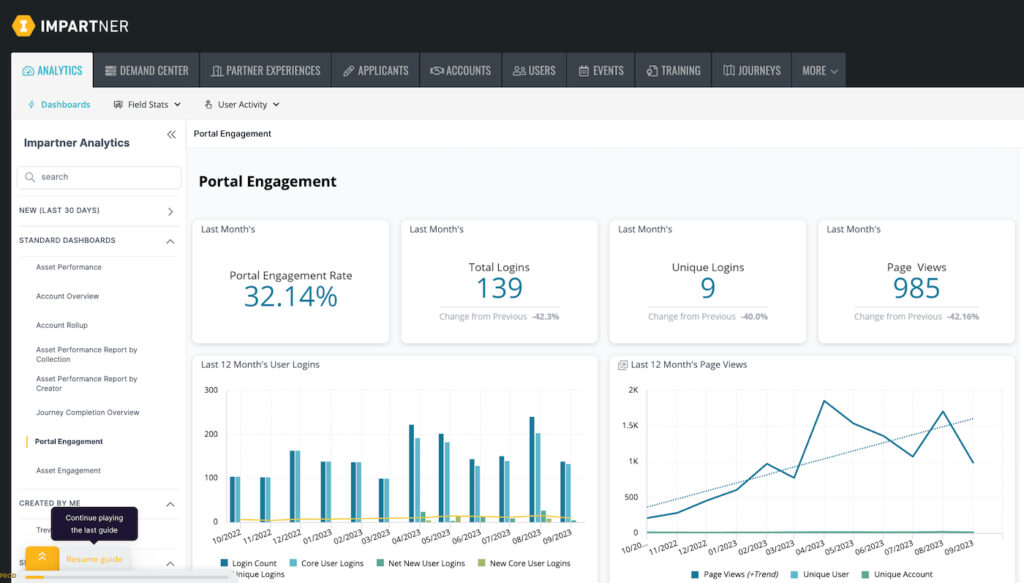
Impartner uses customized pricing for its PRM and partner marketing products. Packages vary by application, implementation level, integrations, analytics, support, and selected capabilities.
Contact Impartner to request a customized quote based on the applications and services included, particularly paid media, advanced MDF, analytics, integrations, implementation, and full PRM functionality.

What makes Mindmatrix the best for hands-on partner marketing execution?
Overall reviewer score:
4.28/5
Pricing and accessibility:
2.97/5
Channel campaign execution:
4.11/5
Content and brand management:
4.46/5
Funds and incentives:
4.17/5
Analytics and integrations:
4.51/5
Partner experience and scalability:
4.59/5
Expert score:
4.50/5
Pros
- Combines partner marketing, PRM, sales enablement, and ecosystem management
- Automates co-branded email, social media, landing-page, print, webinar, and local campaigns
- Pairs software automation with concierge execution and ongoing partner assistance
Cons
- Pricing is not publicly available
- Its broad scope may require more setup than a marketing-only product
- Buyers should verify the exact scope of its “unlimited” services and support
Why I chose Mindmatrix
Mindmatrix addresses an inconvenient truth about partner marketing: giving partners a campaign does not mean they have the time, confidence, or expertise to run it.
I rated Mindmatrix highly because it combines campaign automation with concierge services that can assist partners directly. This model is particularly useful for vendors whose partners are capable sellers but reluctant marketers — or simply lack an in-house marketing team.
Bridge extends beyond campaign execution to PRM, onboarding, training, guided selling, deal registration, lead management, and ecosystem orchestration. Its AI capabilities can generate and localize co-branded content, campaigns, sales plays, and training materials. Partners can then deploy approved marketing through email, social media, landing pages, print, personalized video assets, webinars, and other supported channels.
Its MDF functionality is also more substantial than a basic request form. Vendors can create multiple fund plans, define eligibility and allocation rules, collect supporting documents, configure multi-level approvals, process full or partial reimbursements, convert currencies, and report on fund allocation and usage.
The key purchasing question is where the software ends and Mindmatrix’s services begin. Unlimited configuration, optimization, partner assistance, and support sound compelling, but buyers should document what the contract covers and which activities fall outside the included scope.
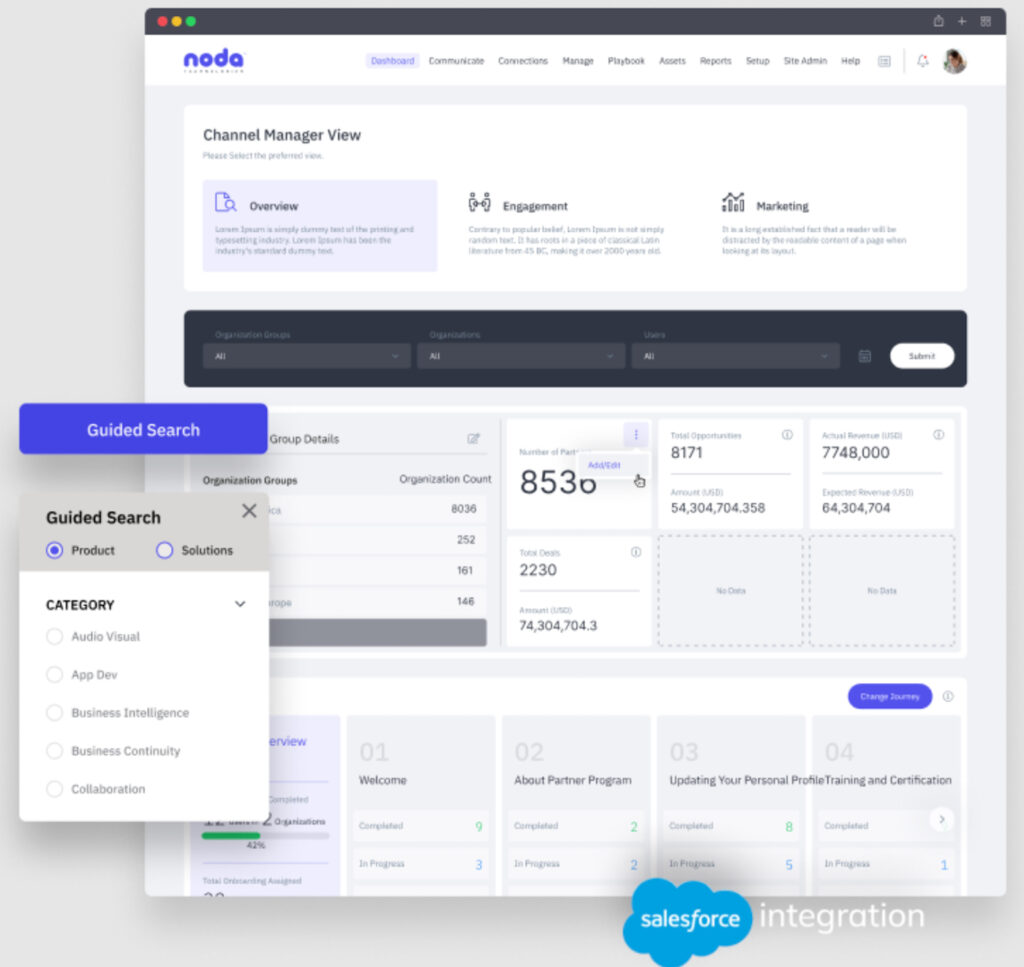
Mindmatrix develops Bridge, an AI-powered partner operating system that combines partner relationship management, partner marketing automation, channel sales enablement, and ecosystem orchestration.
The platform brings vendors, partner managers, marketing teams, and partners into one environment. Its combined software-and-services model reduces the execution work placed on internal channel teams and partners through automation, AI guidance, concierge assistance, and ongoing support.
- AI-powered partner marketing: Generates and localizes co-branded campaigns, content, sales plays, and training materials while automating partner marketing workflows.
- Campaign creation and execution: Supports co-branded email, social media, landing pages, print materials, personalized video assets, webinars, lead nurture programs, and local campaigns.
- Partner engagement and concierge services: Can assist with campaign management, partner onboarding, training, MDF requests, deal registration, lead management, platform configuration, and engagement reporting.
- PRM and partner portal: Centralizes onboarding, tiering, partner journeys, deal registration, partner communications, engagement scoring, and multi-partner workflows.
- MDF and co-op management: Supports multiple fund plans, allocation rules, document collection, multi-level approvals, partial reimbursements, currency conversion, status notifications, and fund reporting.
- Training and guided selling: Provides learning tracks, certifications, dynamic sales playbooks, collaboration rooms, and AI-guided sequences that help partners advance opportunities.
- Lead management and analytics: Covers lead capture, scoring, nurturing, routing, opportunity tracking, campaign attribution, fund reporting, and partner performance measurement.
- Business-system integrations: Connects with CRM, ERP, digital asset management, and other business systems through SAML, OAuth, APIs, and supported integrations.
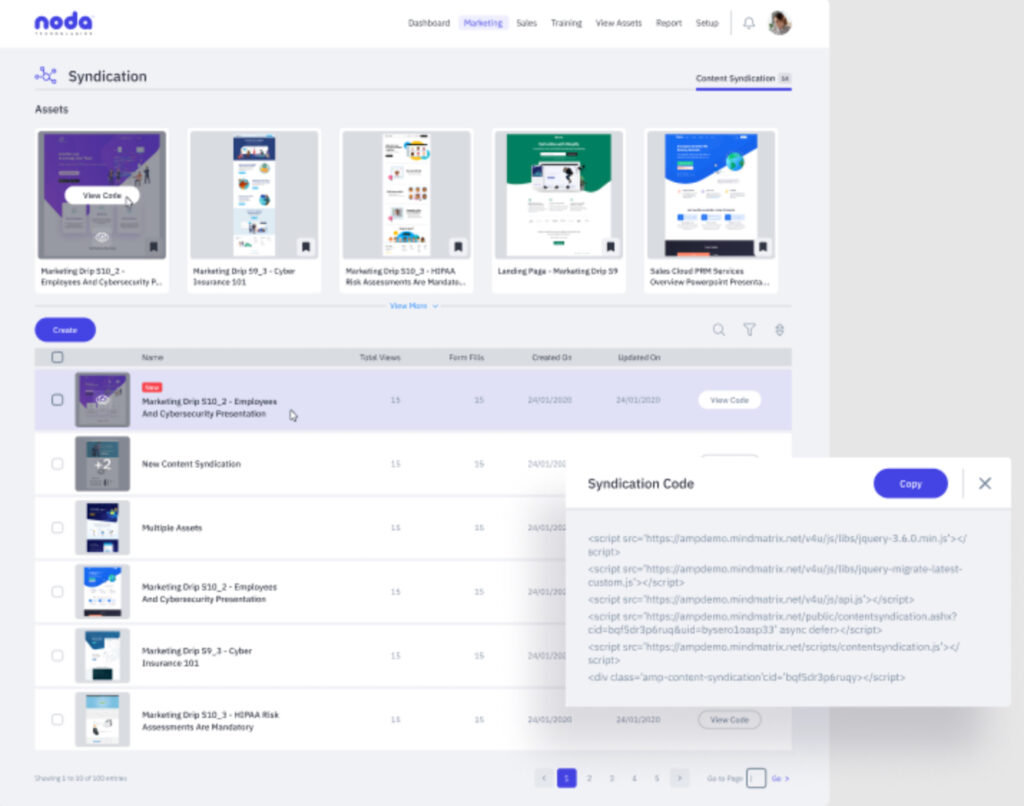
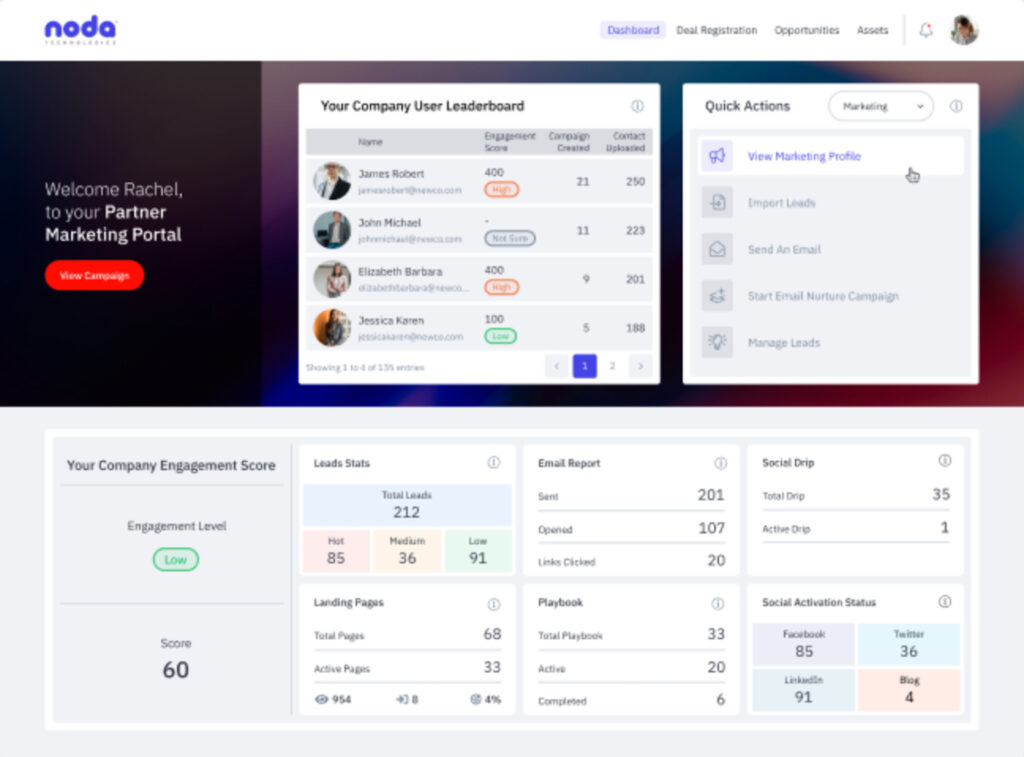
Mindmatrix uses customized pricing. Final costs may depend on selected modules, partner volume, implementation requirements, integrations, platform administration, concierge execution, and support scope.
Contact Mindmatrix to request a customized quote with a detailed breakdown of implementation, partner support, concierge services, integrations, ongoing optimization, usage limits, and module-specific fees.

What makes Unifyr the best for incentive and pipeline attribution?
Overall reviewer score:
4.24/5
Pricing and accessibility:
2.90/5
Channel campaign execution:
3.61/5
Content and brand management:
4.41/5
Funds and incentives:
4.59/5
Analytics and integrations:
4.65/5
Partner experience and scalability:
4.70/5
Expert score:
4.56/5
Pros
- Connects MDF, SPIFFs, rebates, and rewards with pipeline outcomes
- Combines partner marketing, PRM, learning, deal registration, and analytics
- Supports tier-based incentive eligibility, allocations, and approval rules
Cons
- Pricing is not publicly available
- Offers fewer native local presence tools than Ansira
- Cash payouts and some reward fulfillment rely on finance systems or external providers
Why I chose Unifyr
Unifyr is my pick for channel teams that want to connect partner marketing and incentive spending with measurable pipeline outcomes. Its incentive software brings MDF, co-op funds, SPIFFs, rebates, and gamified rewards into one administrative workspace. Eligibility, allocations, rebate rates, and benefits can adjust according to partner tier, revenue, certifications, and performance.
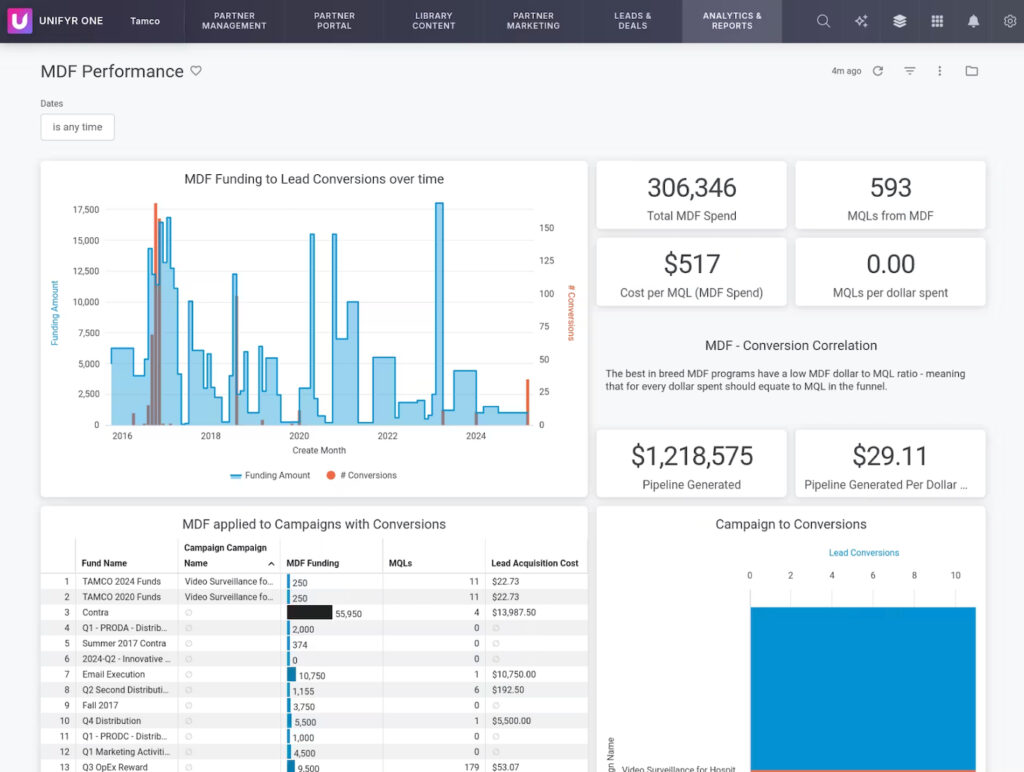
Unifyr becomes particularly valuable at the attribution stage. Incentive transactions connect with CRM and pipeline records, allowing teams to measure cost per lead, payout-to-pipeline ratios, MDF-influenced revenue, deal velocity, and cost per outcome by incentive type.
That connection addresses a persistent reporting gap. Many organizations know how much they allocate to MDF or rebates but cannot show which investments produced leads, opportunities, closed deals, or faster sales cycles.
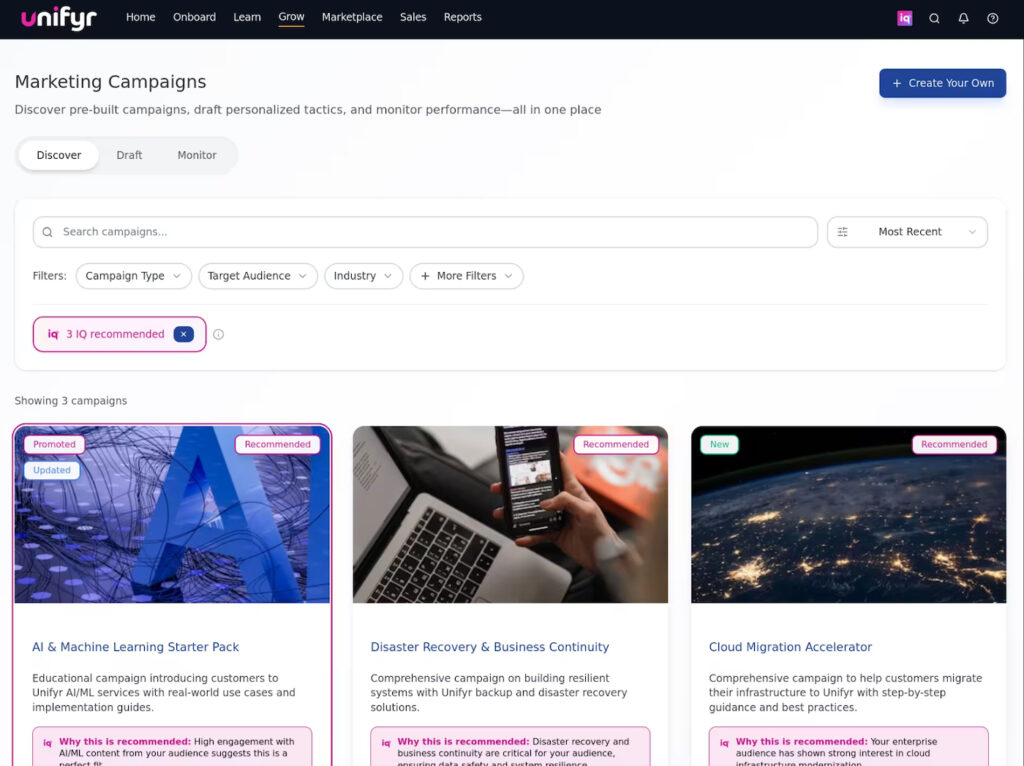
Beyond incentives, Unifyr combines co-branded content, campaign automation, partner onboarding, learning management, deal registration, shared pipeline visibility, and analytics. Companies researching Zift Solutions or ZiftONE should note that these names now fall under the Unifyr brand rather than treating them as separate providers.
Organizations prioritizing local listings, reputation management, or location-level search tools will find Ansira more comprehensive. Unifyr makes the stronger case when incentive accountability and pipeline attribution are the primary requirements.
Unifyr is an AI-native partner relationship management and channel marketing platform for organizations that sell through resellers, distributors, MSPs, VARs, GSIs, and other indirect partners.
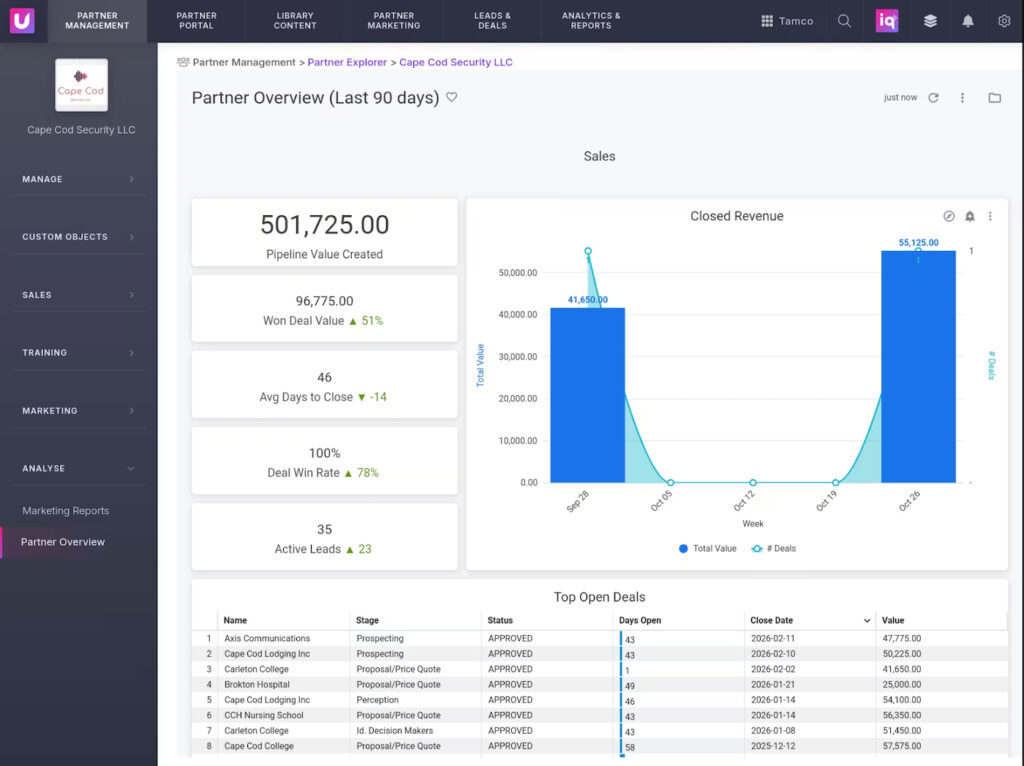
Unifyr is the current brand for the company and platform previously known as Zift Solutions and ZiftONE. It combines partner management, channel sales, marketing automation, learning, incentives, deal registration, portals, and analytics. The platform gives channel, marketing, sales, and finance teams a shared view of partner activity and revenue performance.
- Channel incentives: Manages MDF, co-op funds, SPIFFs, rebates, gamified rewards, and tier benefits from one workspace.
- Incentive attribution: Connects incentive transactions with CRM and pipeline activity to report on cost per lead, payout-to-pipeline ratios, revenue, deal velocity, and cost per outcome.
- MDF and co-op management: Supports portal-based requests, automated routing, approval rules, proof of performance, audit trails, reimbursements, tier-based allocations, and utilization reporting.
- Partner marketing automation: Gives partners customizable content and prebuilt campaigns for email and supported social channels while maintaining brand consistency.
- PRM and partner portal: Centralizes onboarding, communications, partner records, content, program information, incentives, and performance data.
- Deal registration and pipeline management: Protects partner opportunities, distributes leads, and provides closed-loop visibility from deal registration through revenue.
- Learning and gamification: Includes training, certification tracking, achievements, badges, and tiered rewards tied to partner activity.
- Analytics and integrations: Combines PRM, learning, marketing, incentive, and pipeline data while connecting with CRM and finance systems.
Unifyr uses customized pricing. Final costs may depend on the selected PRM, marketing, learning, incentive, AI, analytics, integration, implementation, and service capabilities.
Contact Unifyr to request a customized quote based on which modules and services are included, along with implementation costs, integration requirements, partner limits, and ongoing support. For incentive programs, also ask how cash payments, gift cards, prepaid cards, international disbursements, tax records, and fulfillment fees are handled.

What makes Structured the best channel marketing software for global campaign localization?
Overall reviewer score:
3.66/5
Pricing and accessibility:
2.90/5
Channel campaign execution:
3.67/5
Content and brand management:
4.86/5
Funds and incentives:
0/5
Analytics and integrations:
4.61/5
Partner experience and scalability:
4.64/5
Expert score:
4.69/5
Pros
- Personalizes and localizes approved content across 130+ languages
- Automates campaign assembly, scheduling, multichannel publishing, and follow-up
- Configures partner experiences by tier, region, language, and solution focus
Cons
- Does not document native MDF or incentive administration
- Pricing is not publicly available
- Best results depend on a well-governed library of approved source content
Why I chose Structured
Structured stands out for global B2B brands that need to turn corporate content into localized partner campaigns quickly. Its AI works from approved brand content rather than asking every partner to generate campaign copy from scratch and hoping nothing goes rogue. Vendors can personalize content and platform experiences by partner, audience, market, tier, region, language, or solution focus.
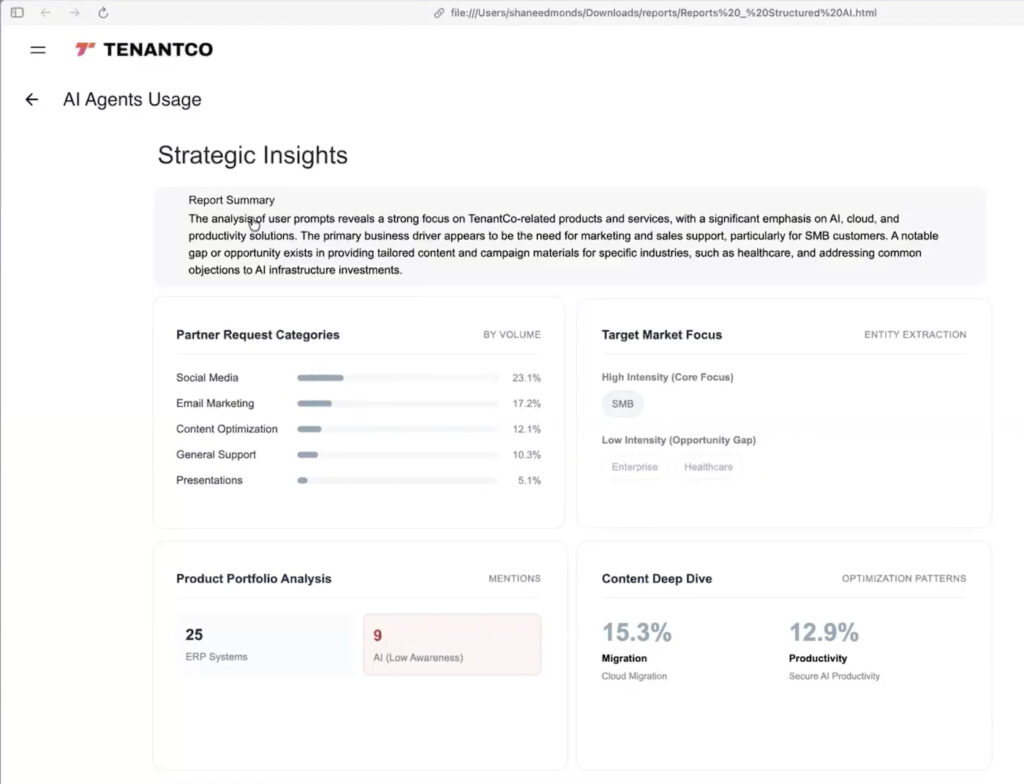
Structured also goes beyond asset customization. Guided workflows help partners assemble, schedule, publish, and follow up on multichannel campaigns. Reporting tracks campaign execution, content use, lead generation, response time, and partner performance by tier and region.
Its fifth-place ranking reflects its specialized focus rather than weak campaign functionality. Structured performed well in content personalization, localization, partner experience, campaign automation, and performance reporting. However, the platform focuses on marketing execution rather than directly administering MDF allocations, claims, reimbursements, rebates, rewards, or payments.
Structured connects TCMA to separate MDF and incentive systems rather than replacing them. Companies that already have fund and incentive management covered — and need a specialized platform for global partner marketing execution — may find Structured more compelling than its overall score suggests.
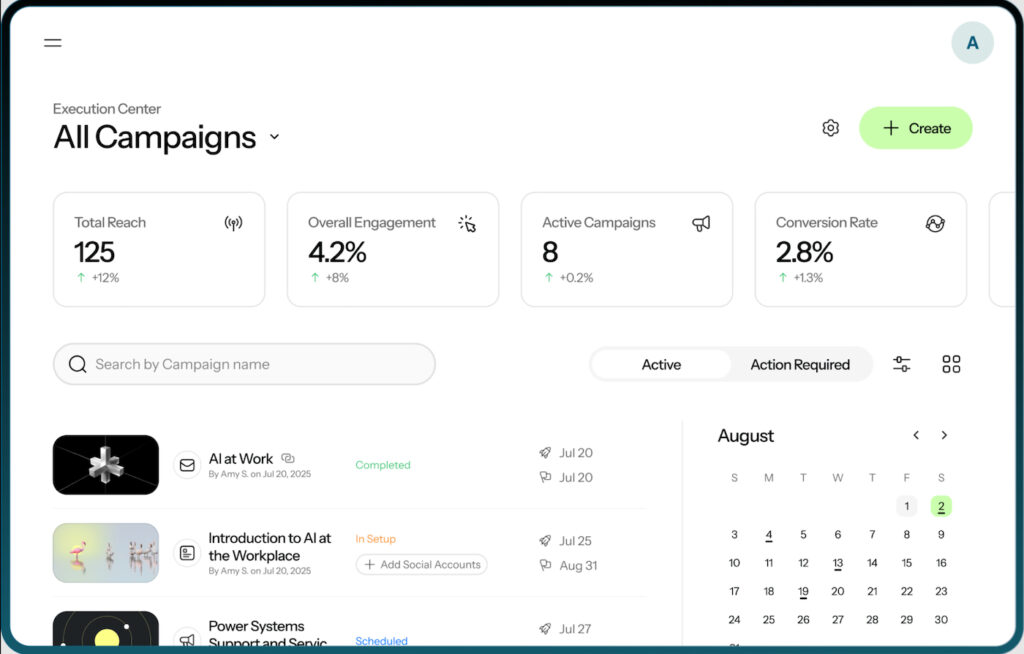
Structured is an AI-native partner marketing automation platform built for global B2B enterprises. It focuses on activating partners with personalized content, guided campaign execution, localized experiences, and performance insights.
Structured is not a PRM system of record. It does not replace software used to manage partner recruitment, training, tiers, or deal registration. Instead, it complements PRM, CRM, and digital asset management systems by helping partners turn approved corporate content into executable campaigns.
- Content personalization and co-branding: Uses approved corporate content to generate on-brand materials tailored to specific partners, audiences, markets, and solutions.
- AI-powered localization: Translates and localizes partner content across 130+ languages while applying brand and content controls.
- Configurable partner experiences: Tailors portals and content discovery by tier, region, language, solution focus, audience, and market.
- Campaign automation: Guides partners through campaign assembly, scheduling, multichannel publishing, and follow-up using prebuilt launch workflows.
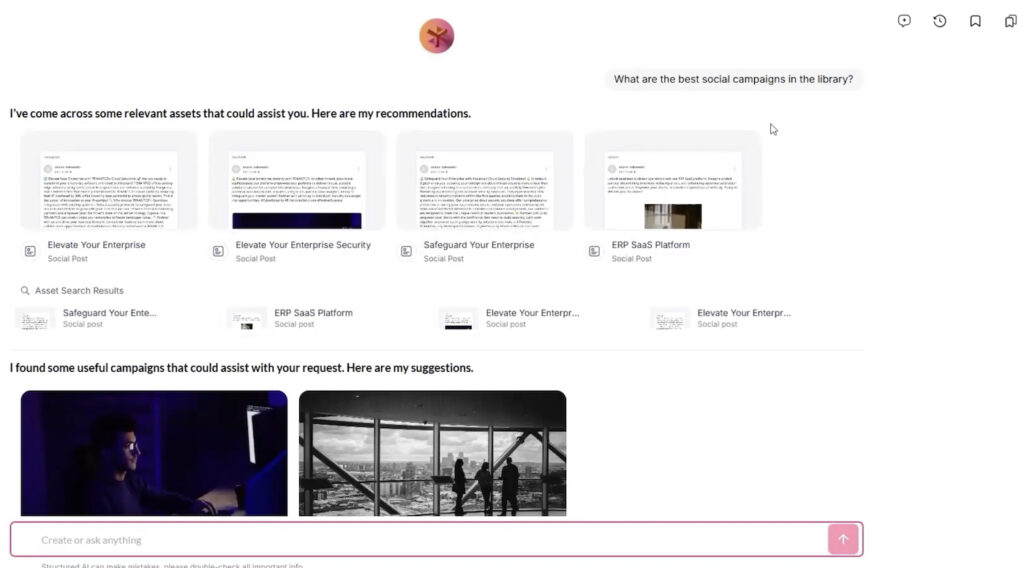
- Partner activation: Uses AssistantAI and guided onboarding to help partners find relevant content, navigate the platform, and launch campaigns with less training.
- Performance and insights: Tracks campaign launches, lead generation, content usage, response time, conversions, and partner activity by tier and region.
- Enterprise integrations: Connects with existing PRM, CRM, and digital asset management systems to support content access, partner data, lead workflows, and reporting.
Structured uses customized pricing. Quote scope may vary based on partner volume, localization requirements, AI capabilities, integrations, implementation, security requirements, training, and support.
Contact Structured to request a customized proposal based on localization volume, AI capabilities, integrations, implementation, training, and support. Companies requiring MDF or incentive administration should also budget for a separate system or integration.

What makes 360insights the best for global incentive programs?
Overall reviewer score:
3.58/5
Pricing and accessibility:
2.97/5
Channel campaign execution:
1.51/5
Content and brand management:
3.38/5
Funds and incentives:
4.96/5
Analytics and integrations:
4.60/5
Partner experience and scalability:
4.78/5
Expert score:
4.69/5
Pros
- Provides deep rebate, reward, incentive, and co-marketing fund capabilities
- Supports incentive payments and reward fulfillment across 160+ countries
- Offers creative, operational, fulfillment, and analytics services
Cons
- Less focused on partner-led multichannel campaign creation
- Pricing is not publicly available
- Some organizations will still need a separate campaign automation platform
Why I chose 360insights
360insights belongs on the shortlist when incentives — not campaign creation — sit at the center of the channel strategy. Its Incentives Suite covers co-marketing funds, B2B rebates, consumer promotions, pricing programs, loyalty programs, and rewards. The Experience Suite provides role-specific partner journeys, while the Services Suite adds creative work, program operations, fulfillment, delivery, optimization, and analytics.
That combination makes 360insights a strong fit for manufacturers and enterprise brands managing large volumes of rebates, rewards, payments, or co-marketing funds across multiple regions.
Its sixth-place ranking reflects this guide’s emphasis on partner-led campaign execution. The platform centers on incentives, participant experiences, and program services rather than on native email, social media, paid media, lead management, or local search campaign tools.
Choose 360insights when the bigger operational challenge is governing incentive spending, processing rewards globally, coordinating participant experiences, and measuring program results. Ansira or Impartner will be a better fit when partners primarily need to build and launch multichannel campaigns.
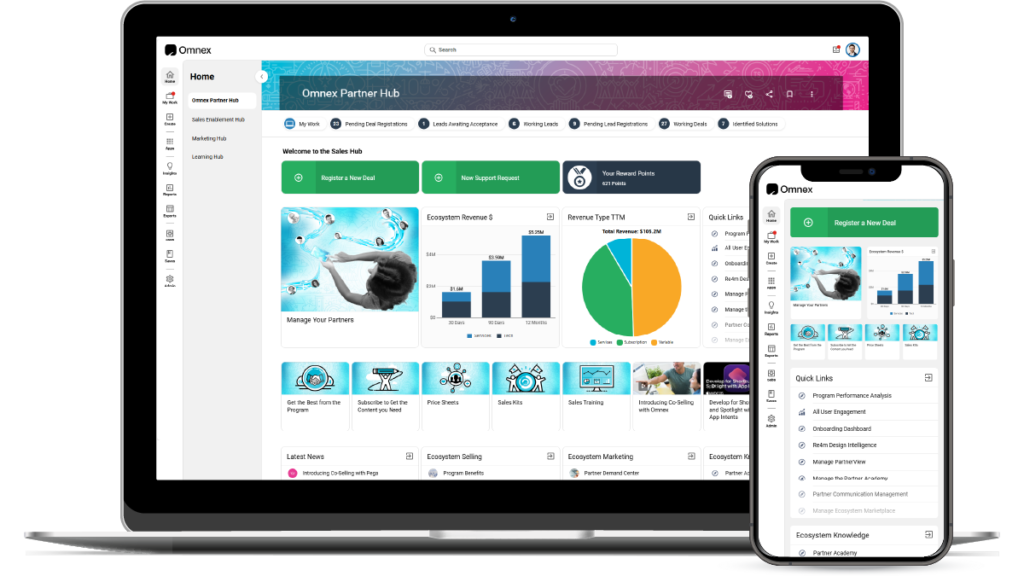
360insights is a global incentive management and ecosystem orchestration platform for enterprises that sell through distributors, resellers, dealers, service providers, and other indirect channels.
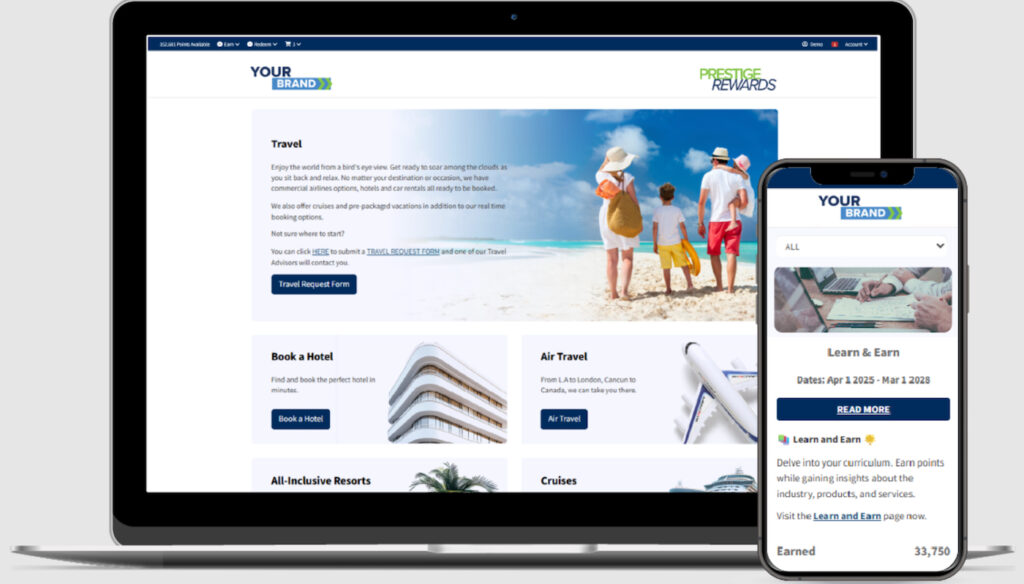
Its platform combines three connected product groups: the Experience Suite for role-specific partner and participant journeys, the Incentives Suite for rebates, rewards, funds, pricing, and promotions, and the Services Suite for program design, operations, fulfillment, analytics, and optimization.
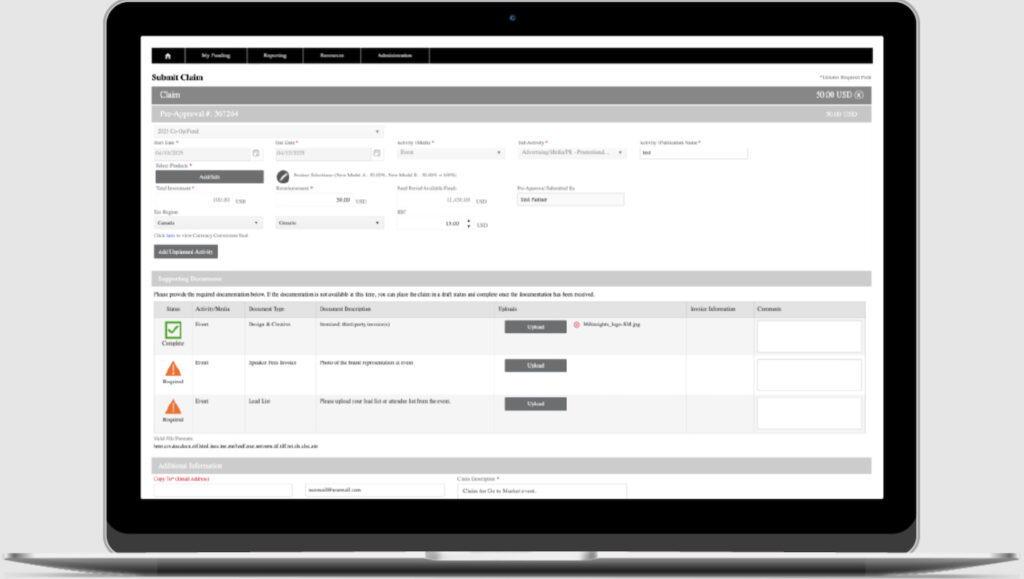
- Co-marketing funds: Centralizes fund administration, program governance, approvals, compliance, and performance measurement.
- B2B rebates: Calculates, tracks, validates, and issues partner rebates or credits with transaction-level traceability.
- Incentives, loyalty, and rewards: Supports cash incentives, points-based loyalty programs, rewards, performance bonuses, and individual participant engagement.
- Consumer promotions and pricing programs: Manages consumer incentives, promotional pricing, instant rewards, purchase incentives, and related workflows.
- Experience Suite: Gives partners and participants role-specific access to relevant programs, rewards, progress, and recommended actions.
- Global payments and fulfillment: Supports multi-currency incentive payments and reward fulfillment across more than 160 countries, with transaction-level records and compliance controls.
- Services Suite: Adds creative and design services, program operations and delivery, optimization, benchmarking, and analytics.
- Enterprise integrations: Exchanges data with CRM, ERP, PRM, pricing, finance, and other partner systems to coordinate workflows and reporting.
360insights uses customized pricing. Final costs may depend on the selected suites, program types, transaction volume, countries, currencies, integrations, implementation, fulfillment, and service requirements.
Contact 360insights to request a customized proposal. Ask for separate costs for software, implementation, incentive processing, payment and reward fulfillment, integrations, creative services, analytics, and ongoing program operations.
Benefits of channel marketing software
Nearly every B2B tool promises better collaboration, but it is not the biggest benefit. Channel marketing software should remove the operational friction between corporate approval and partner execution in local markets.
- Faster campaign launches
Partners can activate preapproved campaigns without starting from scratch. Templates, campaign kits, automated distribution, and publishing tools shorten the path from approval to launch.
- Stronger brand control
Locked templates, user permissions, required disclosures, approval workflows, and audit trails help prevent partners from altering protected brand or regulatory elements.
- Higher partner participation
Guided campaigns, automation, integrated funding, and optional concierge support reduce the marketing work placed on partners. This is especially valuable for dealers, resellers, and franchisees without dedicated marketing teams.
More accountable MDF spending
MDF and co-op management tools connect available funds with eligible activities, approval rules, claims, reimbursements, and performance reporting. Corporate teams gain clearer visibility into how funds are used and what those investments produce.
Greater local relevance
Partners can tailor campaigns by market, audience, language, location, product, or regional requirements while staying within corporate guidelines.
Better channel measurement
Corporate teams can track partner participation, campaign activation, fund utilization, leads, conversions, pipeline, and revenue. Measurement depth varies by platform, but the strongest systems connect channel activity with CRM opportunities and business outcomes instead of stopping at clicks and asset downloads.
Key features of channel marketing software
Prioritize features based on what partners need to accomplish — not how many tools a vendor can squeeze onto a product page.
A long feature list is not enough. During the demo, ask the vendor to show how a typical partner launches a real campaign from start to finish. If the process requires 20 clicks, three approvals, and a training course, adoption will become your next channel problem.
How to choose the best channel marketing software for your business
The best channel marketing software is not necessarily the platform with the longest feature list. It is the one that fits your channel structure, supports the work partners actually perform, and makes execution easier for the partners who need the most help.
1. Define the work partners need to complete
Identify whether partners need to customize content, run digital campaigns, manage local listings, request funds, claim rebates, follow up with customers, or handle all of the above.
This prevents you from buying a broad PRM platform when the real problem is local campaign execution — or an asset library when your finance team needs auditable fund management.
2. Map your complete channel structure
Document every partner type, tier, region, language, and internal team that will use or oversee the platform.
A system that works for 100 technology resellers may struggle to support thousands of franchise locations, a multi-tier distributor network, or a global dealer program with different languages and compliance requirements.
3. Separate PRM from channel marketing
PRM software primarily manages partner relationships, onboarding, training, tiers, deal registration, and partner records. Channel marketing software helps partners promote products and reach customers.
Some platforms cover both areas, but do not assume a PRM provides meaningful campaign execution simply because it includes a “marketing” tab.
4. Demo the least experienced partner’s workflow
Ask the vendor to demonstrate the platform from the perspective of a partner with no dedicated marketer, limited time, and little platform experience.
That is the user most likely to abandon the program. If this partner can find, personalize, fund, launch, and measure a campaign without calling your channel team, the platform is doing its job.
5. Inspect compliance and localization controls
Regulated and global organizations should evaluate:
- Locked brand elements
- Approval workflows
- Required disclosures
- Audit histories
- User permissions
- Regional content rules
- Translation and localization controls
- Data access permissions
Do not settle for a polished template demonstration. Ask what happens when a partner tries to edit a protected disclaimer, use an expired asset, or launch content in the wrong market.
6. Compare the total cost
Account for more than the software subscription. Potential costs include:
- Implementation and configuration
- Integrations
- Media spending
- Incentive processing
- Payment and fulfillment fees
- Printing and direct mail
- Managed services
- Partner support
- Internal administration
A platform with a lower subscription price can still cost more once implementation, services, fulfillment, and campaign execution are included.
7. Define success before implementation
Choose performance measures before configuring the platform. Useful metrics include:
- Percentage of active partners
- Campaign activation rate
- Time to launch
- MDF utilization
- Claim processing time
- Cost per lead
- Partner-sourced pipeline
- Conversion rate
- Revenue by partner or campaign
- ROI by incentive type
Logins and asset downloads are useful adoption signals. They are not business outcomes.
Frequently asked questions